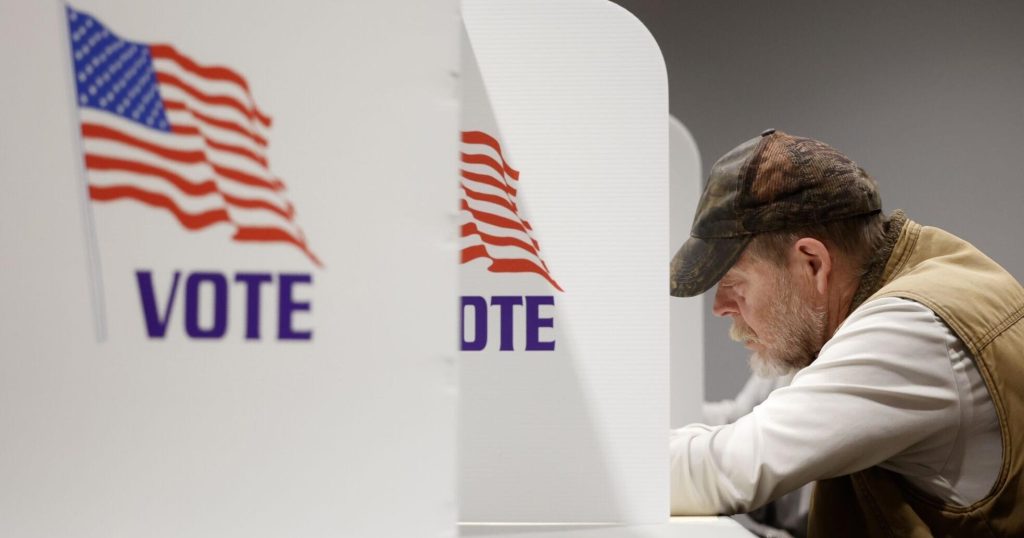
Republican lawmakers in Ohio are asking voters to enshrine mandatory voter ID in the state constitution this November, arguing the change will “strengthen Ohio’s election process” and restore public confidence. The push centers in Columbus and statewide GOP circles, and it aims to move a policy that already exists in statute into the constitution so it can’t be easily overturned by future legislatures or courts. Voters will decide whether this change becomes a permanent part of Ohio’s rules for ballots and polling places.
Supporters frame this as a common-sense step: require a photo ID, keep ballots secure, and make election rules harder to shift with political winds. Republicans argue that enshrining voter ID in the constitution stops future lawmakers from rolling it back, and it sends a clear signal that elections should be predictable and trusted. That message plays well with voters who want straightforward guardrails, not endless legal fights after every close race.
Opponents often call it unnecessary or burdensome, but the GOP case focuses less on rhetoric and more on practice: ID is already required at the polls in many states and works without shutting people out. Ohio’s Republican leaders point to the integrity angle — that visible, consistent rules reduce accusations of chaos and improve turnout by building confidence rather than undermining it. The pitch is pragmatic: make the rules transparent and permanent so turnout rises from trust, not confusion.
Constitutional language matters because statutes can be changed with a vote; the constitution requires more effort to alter. Republicans see that as a virtue, not a trap: stable rules are less likely to be weaponized by sudden political shifts. In a system where rules can be rewired every few years, locking in basic election mechanics feels like common-sense governance to many conservatives.
The debate extends beyond theory into campaign strategy and messaging. GOP operatives will emphasize safety and predictability at town halls and on mailers, while opponents will raise access concerns and challenge whether the change is worth a constitutional amendment. That clash plays out in debates as much as in campaign ads: voters weigh logistics against principle and practical outcomes against ideological claims.
Administrators in counties across Ohio will need to prepare either way, but a constitutional change forces a longer-term planning horizon. Training, equipment, and public information campaigns would benefit from stable requirements that don’t flip from one election cycle to the next. Republicans insist that predictable rules save taxpayer money and reduce headaches for election officials who must run smooth, defensible contests.
There’s also a legal dimension: moving voter ID into the constitution changes the calculus for future litigation and enforcement. Courts tend to treat constitutional provisions differently than ordinary laws, and that can limit quick reversals through litigation or legislative changes. For Republicans, that legal durability is precisely the point — it prevents sudden policy whiplash when political power shifts.
Voters themselves will have the final say in November, and the campaign is designed to make the choice straightforward: support a stable framework for voting or keep standards flexible. Republicans believe the case is persuasive because it appeals to order, fairness, and the basic idea that rules should be clear and stick. The real test will be whether Ohioans prefer the certainty of a constitutional rule to the flexibility of statutory law.
Expect attention from both local grassroots groups and national observers, because Ohio has long been a bellwether for how election rules play on the ground. If the measure passes, it could reshape the state’s political conversation for years; if it fails, it will spark new strategies to address voter concerns without constitutional changes. Either outcome will tell a lot about how Ohioans view the balance between access and security at the ballot box.