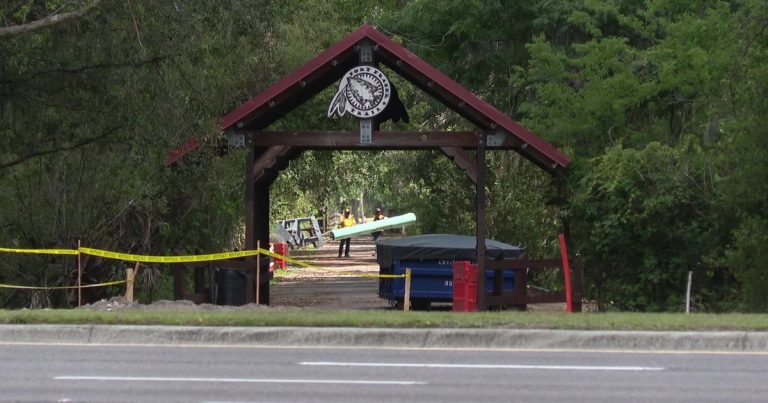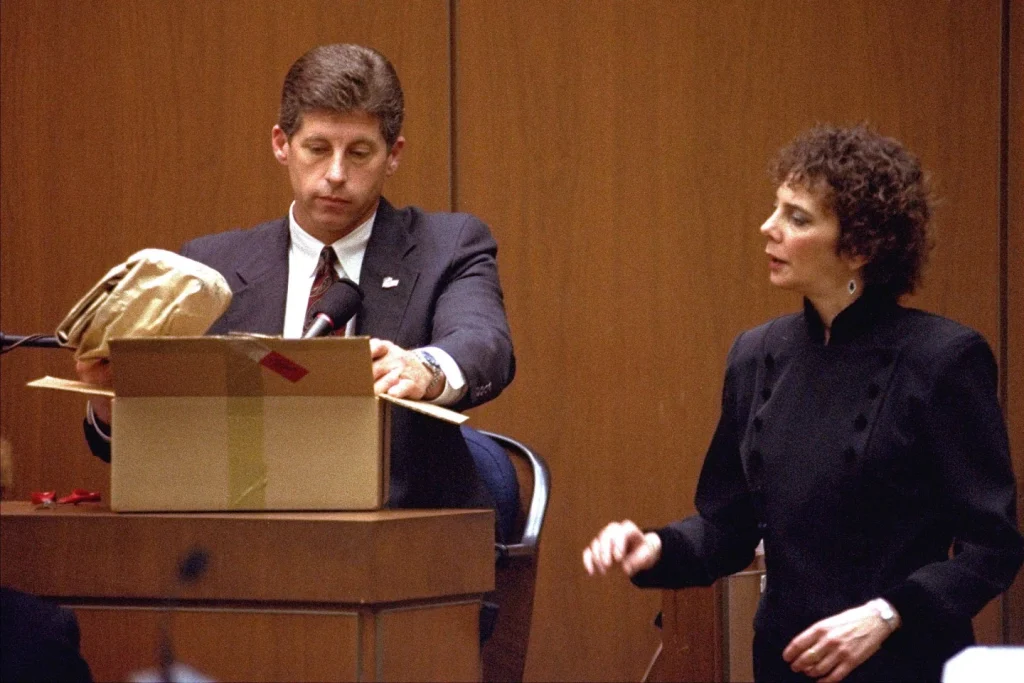
News out of Boise, Idaho reports that former Los Angeles police detective Mark Fuhrman, who was convicted of lying during testimony at the OJ Simpson murder trial, has died; Fuhrman was one of the first two detectives sent to the scene after the 1994 killings of Nicole Brown Simpson and Ronald Goldman in Los Angeles.
Mark Fuhrman’s name is inseparable from one of the most publicized criminal cases of the 1990s. He was an LAPD detective who rose to national attention during the investigation into the deaths of Nicole Brown Simpson and Ronald Goldman. That investigation, and the trial that followed, became a media spectacle and a touchstone for debates about race, police conduct, and the justice system.
Fuhrman was one of the first two detectives to arrive at the scene, a fact that put him at the center of the initial evidence-gathering. His actions and testimony over the course of the case drew intense scrutiny from prosecutors, defense lawyers, and the press. Accusations about his credibility became a key part of the defense strategy during OJ Simpson’s trial.
The trial exposed rifts over policing and accountability that still echo today. Fuhrman was later convicted of lying during testimony at the OJ Simpson murder trial, a development that further complicated how the public remembers the investigation. For many people, his role became symbolic of larger problems in law enforcement procedures and courtroom battles over truth and trust.
Public reaction to Fuhrman’s death will likely be mixed, reflecting the complicated legacy he leaves behind. Some will remember him for his long career in a major police department and the high-profile cases he handled. Others will focus on the controversy and the ways his testimony affected a landmark trial and fashioning of public opinion.
The 1994 killings of Nicole Brown Simpson and Ronald Goldman remain fixed in the national memory, and the OJ Simpson trial reshaped how high-profile criminal cases are prosecuted and reported. Fuhrman’s involvement is one thread in a much larger story about media frenzy, courtroom drama, and legal strategy. Those elements all combined to turn the Simpson case into a cultural touchstone that still gets discussed and dissected decades later.
The legal fallout from the case led to reforms and renewed attention on how evidence is collected and presented in court. Questions raised during that trial pushed departments and lawyers to examine chain-of-custody procedures and witness credibility more closely. Regardless of where people stand on Fuhrman’s actions, the case prompted changes in practice and in public expectations of policing and prosecution.
As news outlets and former colleagues react, the conversation will touch on both procedural lessons and personal legacies. Fuhrman’s death offers an occasion to revisit those lessons in a way that’s often uncomfortable but necessary. It also forces a look at how single figures can become lightning rods in tangled legal dramas.
Over the years, the Simpson case has been the subject of books, documentaries, and endless commentary, and Fuhrman’s name appears in many of those accounts. His presence in the record is a reminder that criminal investigations are messy and often hinge on human decisions. Those decisions can have ripple effects that last far beyond the courtroom.
Community leaders, legal experts, and journalists are likely to weigh in with varied takes on what Fuhrman’s career represents. Some will frame him as part of a flawed system, while others will point to the pressures and complexities detectives face on big cases. The debate around his actions is inseparable from broader discussions about justice and institutional reform.
Victims’ families also remain central to any conversation about the Simpson case, and their perspectives shape public memory in profound ways. The deaths of Nicole Brown Simpson and Ronald Goldman continue to be at the heart of why the case still matters. Any retelling inevitably returns to the human cost of violent crime and the search for accountability.
For legal historians, Fuhrman’s role will be one of many elements used to study how evidence and credibility sway juries. The Simpson trial changed how lawyers build and dismantle narratives in court, and Fuhrman’s testimony became a focal point in that shift. Those lessons feed into modern trial strategies and training for both prosecutors and defense teams.
As reporters in Boise and elsewhere file their obituaries and retrospectives, the facts that connect Fuhrman to the OJ Simpson case will remain central. His death closes a chapter on a figure who played a visible part in a watershed moment for American criminal justice. But the issues the trial raised about policing, proof, and public perception carry on.
Tributes, condemnations, and historical takes will arrive in the days ahead, each filtering the story through different angles and priorities. What remains clear is that Mark Fuhrman’s name will stay linked to a case that transformed public conversations about crime and courtrooms. Those who study the Simpson trial will keep examining how every detail, including disputed testimony, shaped the outcome.