TxDOT and local reporters in El Paso are sounding the alarm: far too many people still skip seat belts. The Texas Department of Transportation highlighted statewide numbers while KVIA noted the local problem here in El Paso, Texas. This piece walks through what that means for drivers, passengers and families across the region. I’ll lay out the safety case, the reasons folks avoid belts, the local impact and practical steps people can take today.
The bottom line is simple: buckling up saves lives. The Texas Department of Transportation points out that wearing a seat belt significantly cuts the chance of a fatal crash, and the agency warns millions of Texans still drive unrestrained. In El Paso, those numbers translate into avoidable injuries and heartbreaking scenes at hospitals and crash sites. The message is blunt and urgent: a few seconds to click the belt can prevent a lifetime of loss.
Why do people skip seat belts? Habit and discomfort are big reasons, along with a false sense of control. Drivers sometimes think a short trip or a quiet street is an exception, and passengers assume the driver will protect them. There’s also confusion about when a belt is required, and mixed messaging can make safety feel optional instead of essential. Changing that mindset starts with straightforward reminders and stronger norms inside every vehicle.
The statistics help explain the fuss. TxDOT estimates that seat belts reduce the risk of dying in a crash by roughly 45 percent, and in some circumstances the reduction is even larger. Those numbers aren’t just data points; they mean fewer funerals, fewer catastrophic injuries and fewer families trying to piece lives back together. When a crash happens at highway speeds, the difference a properly worn belt makes is dramatic.
El Paso emergency responders and hospital staff see the consequences up close. People who arrive belted tend to have survivable injuries that medical teams can treat; unbelted occupants often suffer more severe trauma or are ejected from vehicles. That places extra strain on first responders and local trauma centers and increases the human and financial cost of every collision. Simple prevention reduces that burden for everyone.
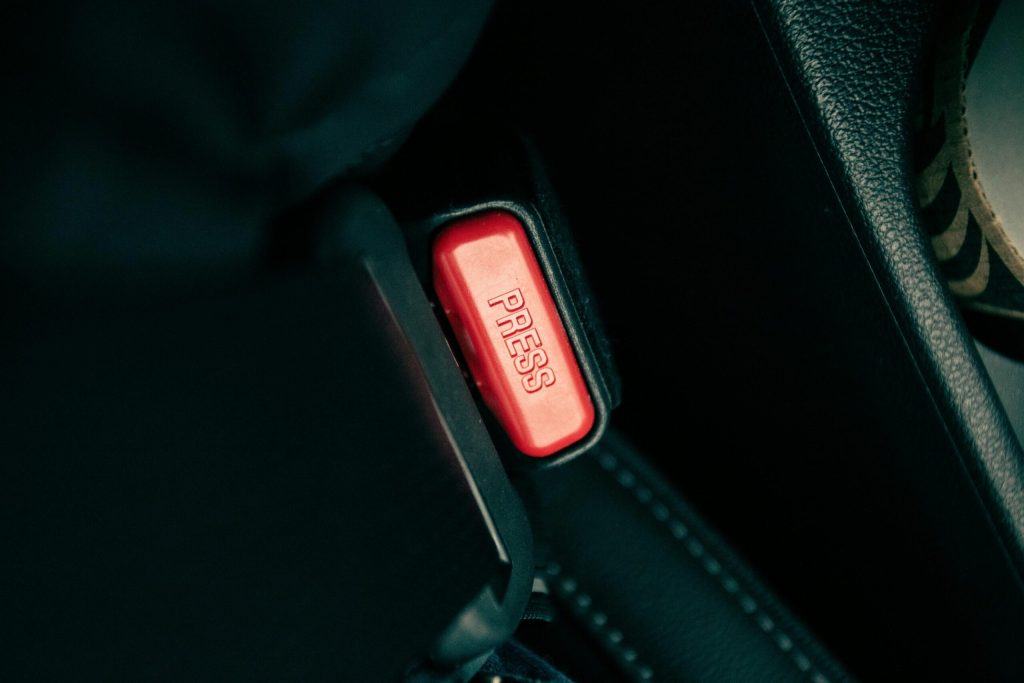
There are proven, practical ways communities can push belt use up and crashes down. Visible enforcement campaigns, consistent public education, and seat belt reminders from drivers and parents all matter. Car technology helps too — many newer vehicles include warning chimes and visual alerts that prompt users to buckle. Combining strategies makes wearing a belt the routine choice rather than an afterthought.
Parents and drivers play an outsized role in establishing good habits. Kids mimic what they see, so a driver who locks their belt before pulling out teaches safety by example. For families in El Paso and beyond, that single act becomes a lesson repeated dozens of times a year. It’s low effort with a high payoff: fewer injuries, more peace of mind and better odds everyone gets home.
Businesses and community leaders can nudge behavior as well. Employers with fleet vehicles, schools with activity buses and faith groups that organize carpooling can require seat belts and remind riders before trips. Local campaigns that are clear, consistent and culturally tuned to the community generally perform better than one-off notices. The goal is to make buckling up the default action, not a negotiable step.
Technology and policy work hand in hand. Modern cars give more prompts, safety advocates push for stronger outreach, and law enforcement can back those efforts with targeted stops and educational contacts. But the simplest, most immediate change starts inside every vehicle: click it every trip. For El Paso residents, that’s a practical step that protects loved ones and neighbors without costing anything but a second of attention.