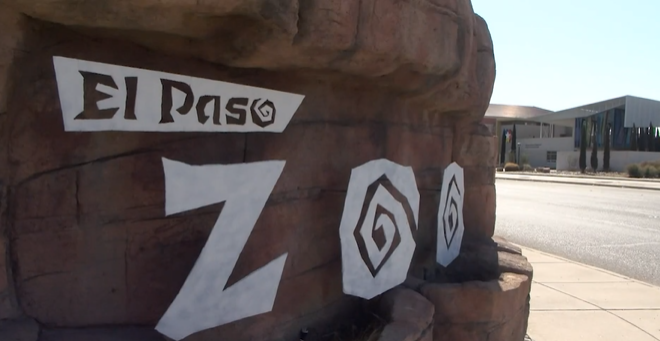
El Paso, Texas city officials confirmed Monday that the El Paso Zoo has begun a focused effort to regain accreditation from the Association of Zoos and Aquariums after a January 2024 review identified concerns about facility maintenance, safety procedures, animal care areas, and staff training. The zoo and the AZA are now working together on a remediation plan, and the community is watching closely as updates roll out. This article lays out what’s at stake, what steps are already happening, and how locals might see the changes play out.
The City of El Paso said the review pointed to several concrete issues, from aging enclosures to inconsistent staff training protocols. Those findings prompted a pause in accreditation status instead of an outright revocation, which means the zoo has a clear path to address problems rather than starting over. Officials emphasized that animal welfare remains the top priority while they patch up the physical plant and refine procedures.
Accreditation from the Association of Zoos and Aquariums is not just a plaque on the wall, it’s a set of standards that covers animal care, medical programs, safety for staff and visitors, and conservation commitments. AZA accreditation signals to donors, researchers, and partner organizations that a zoo operates at an industry-accepted level of professionalism. Losing that badge can reduce grant opportunities and collaboration chances, so regaining it helps protect the zoo’s conservation and education work long term.
On the ground, the zoo has already started cataloging needed repairs and revising staff training syllabi to meet AZA expectations. That includes targeted maintenance of older exhibits, revisiting procedures for animal handling and enclosure access, and expanding formal training for seasonal and full-time staff. The goal is practical: fix the safety gaps, lift care standards, and show the AZA measurable progress during follow-up inspections.
Community response has been mixed but engaged, with longtime supporters urging patience and critics pushing for faster action and more transparency. Volunteers and donors often step forward during moments like this, and local schools that use the zoo for field trips are watching for timelines before scheduling large group visits. For many El Paso families, the zoo is a trusted local resource for education and weekend outings, so getting it back up to standard is both an emotional and civic priority.
Funding the fixes will be a major piece of the puzzle, and city officials are weighing options that include reallocating maintenance budgets, targeted fundraising drives, and applying for grants tied to conservation work. Operational realities also matter; while some repairs can be done without long-term closures, others may require temporary exhibit adjustments to ensure animals aren’t stressed by construction. The balance is delicate: act fast enough to satisfy AZA requirements but carefully enough to keep animals safe and the visitor experience intact.
Other American zoos have faced similar accreditation hiccups and recovered by inviting external auditors, hiring specialized contractors, and publishing progress reports that document changes. That outside scrutiny tends to speed up reforms and rebuilds public trust, since milestones become verifiable instead of promised. For El Paso, a successful route back to AZA standing will likely involve clear timelines, community involvement, and visible upgrades that both improve daily care and satisfy evaluators.