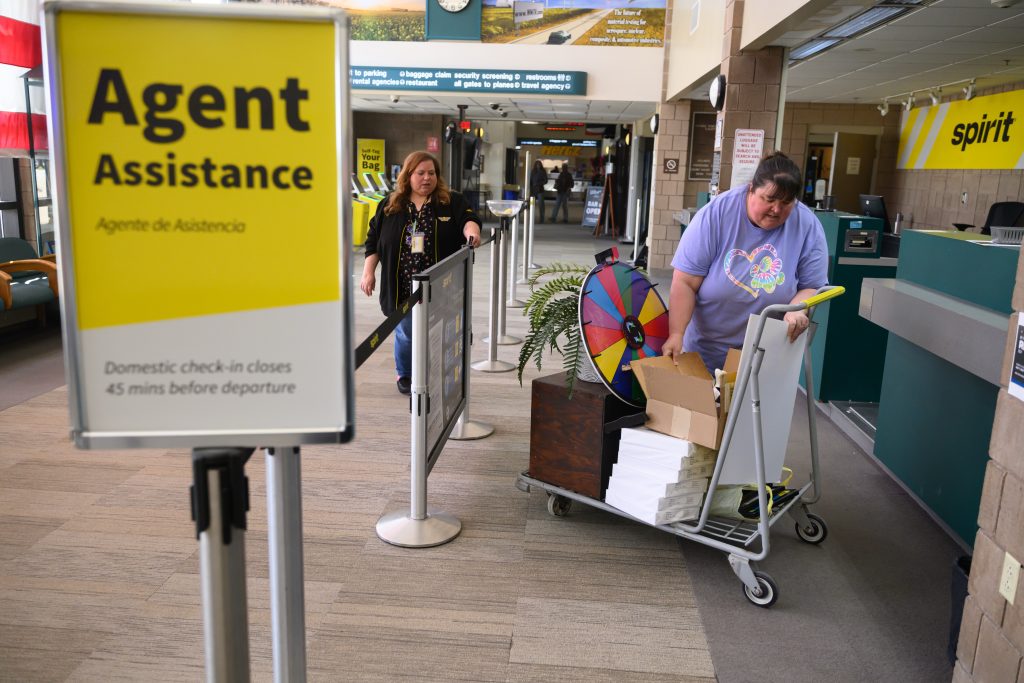
Spirit Airlines’ unexpected collapse in Miramar, Florida, has left summer travelers scrambling while rising jet fuel prices tied to the Iran war are driving fares up across the country. This piece looks at how passengers, airports and competing carriers are responding, what routes and refunds look like, and practical options for people who still need summer flights.
When an airline fails, the fallout is immediate and personal. Passengers face canceled bookings, uncertain refunds and the scramble to rebook on other carriers as demand spikes. Airports that relied on Spirit for budget traffic feel the pinch, and routes that were cheap and frequent suddenly shrink or vanish.
Jet fuel is the invisible tax that can wreck a travel budget. With crude markets jolted by the conflict involving Iran, fuel expenses for airlines have jumped and carriers have passed those costs on to customers. Even routes that survived Spirit’s exit now carry fares higher than travelers expected just a few months ago.
Not every traveler is trapped, but flexibility has become a real asset. Shoppers who can shift travel dates or fly from alternate airports often find better deals, while those fixed on a specific week or airport are paying the premium. Families and budget-minded travelers who counted on Spirit’s low base fares are the hardest hit.
Airlines that picked up former Spirit flyers have reacted in predictable ways. Some have increased service on key city pairs, while others have quietly rationed seats and raised advance-purchase prices. Legacy carriers and low-cost competitors both see an opportunity, but their strategies vary between expanding capacity and protecting profit margins.
Refunds and consumer protection are messy but not impossible. Passengers who booked with credit cards or through travel agencies should start there, and those with refundable fares have clearer paths. The U.S. Department of Transportation requires certain protections for canceled flights, but the paperwork and timing can frustrate people who need quick answers.
Airports from Fort Lauderdale to Orlando are recalibrating schedules and gate assignments as summer ramps up. Local tourism officials worry about lost visitors and last-minute itinerary changes that ripple through hotels and attractions. Some smaller airports that relied heavily on Spirit face a longer recovery because alternative carriers may not serve their markets at the same frequency or price.
Practical strategies can lower the pain for travelers still planning trips. Book tickets with flexible change policies, consider midweek departures and use fare alert tools to spot dips. Loyalty program members may find upgrade and rebooking paths that nonmembers do not, so check carrier apps and call customer service early to explore options.
For policymakers and regulators, the collapse highlights gaps in consumer safety nets and the fragility of networked air travel. While sudden geopolitical shocks like the Iran war are hard to prevent, clearer rules on refunds, faster enforcement and better coordination with airports could reduce the chaos when a carrier fails. In the meantime, travelers should prepare for higher prices and longer searches for the seats they need.