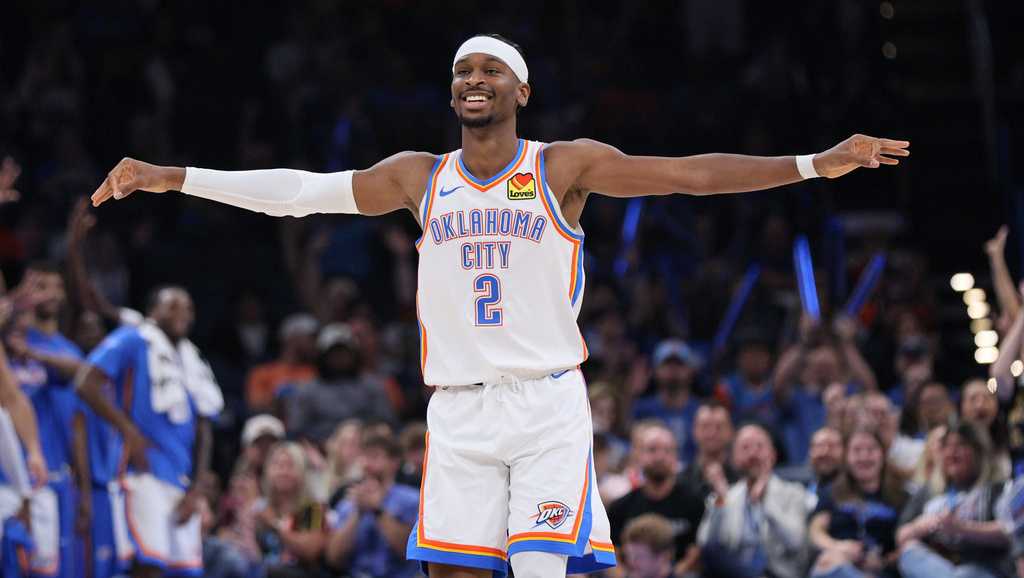
This piece looks at a single, undeniable fact: elite performance gets noticed. Across the league, voters have singled out one player as the top performer on the top squad, and that recognition carries weight for the team, the locker room and the postseason narrative. From game-day impact to leadership under pressure, the reasons behind that choice are as much about results as they are about presence.
He’s the best player on the best team. And the voters say he’s the best player in the league, too. That shorthand captures a truth fans have been watching unfold all season: one man consistently tips close games, elevates teammates and makes winning feel inevitable. Those are the qualities voters reward when they hand out honors, and they matter in the standings and in how opponents plan for every matchup.
Numbers back up a lot of the acclaim. When a single player leads in scoring, creates for others and anchors the defense at key moments, the stat sheet shows it and the eye test confirms it. But raw stats are only the start—context matters. How numbers translate into victories, how they shift momentum and how they force rival coaches to change schemes are what convert impressive seasons into legendary ones.
Leadership is another reason voters take notice. Teammates will often point to the way a player handles late-game situations, stays calm in the locker room and holds others accountable. That influence is invisible in a box score but obvious on the court or field: rotations tighten, effort rises and close losses turn into narrow wins. For a team chasing championships, that steady hand is invaluable.
Voter perception also reflects consistency across the season. A hot streak in November or March is impressive, but MVP-level recognition requires sustained excellence. The voters look at how a player performs when opponents are scheming specifically to stop him, and when injuries or fatigue set in. Standing out in those moments separates the great from the merely flashy.
There’s also an optics game. Playing on the league’s best team amplifies a player’s achievements because winning draws attention. Critics can argue that great players sometimes ride team success, but the flip side is true too: a great player often creates the winning culture that gets everyone over the hump. Voters tend to reward the catalyst, and in this case the catalyst has been impossible to ignore.
What it means going forward is simple: expectations rise. Opponents will adjust, scouting reports will evolve, and every night becomes another test of whether that dominance can be sustained into the playoffs. For the team, having the league’s top player is a strategic advantage but also a target. Managing minutes, keeping the locker room focused and avoiding complacency are immediate concerns for coaches and front offices alike.
At the end of the day, awards reflect both achievement and story. The seasonal arc—from early promise to dominant stretch to clutch moments—paints a narrative voters buy into. For fans and rivals, the declaration that he’s the best player on the best team and that voters agree crystallizes a season’s worth of moments into a single judgment. That judgment will follow him deep into the postseason, where the real tests begin.