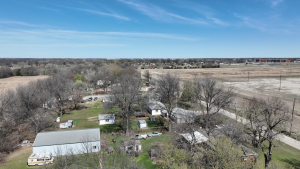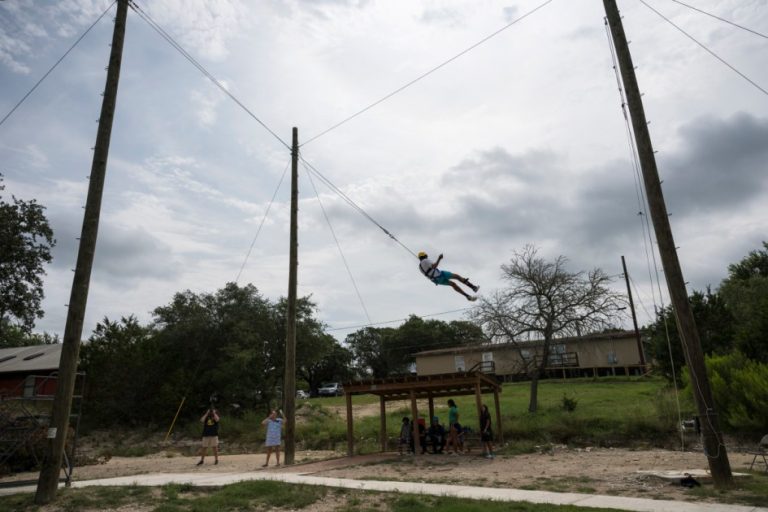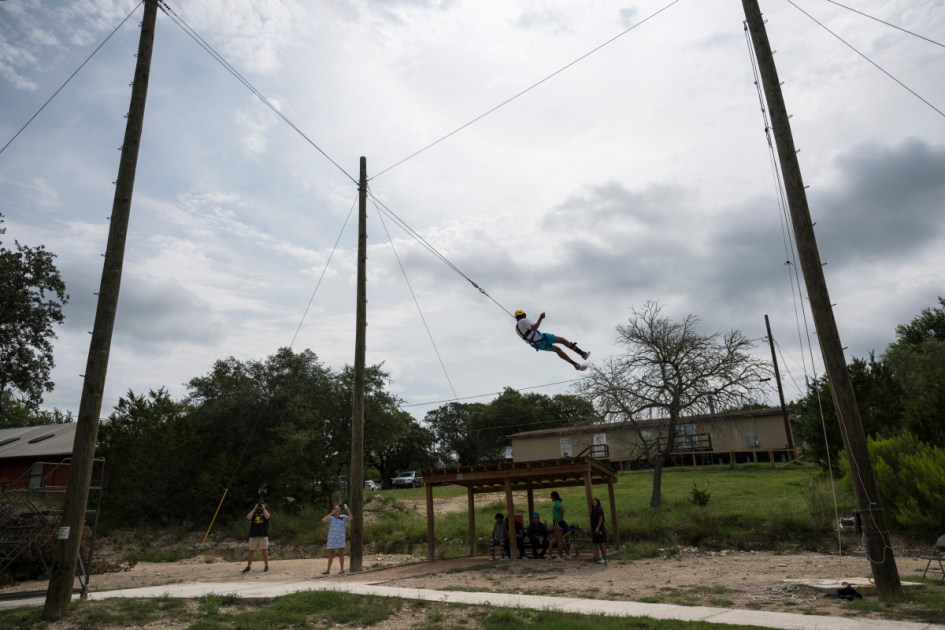
Camp Oak Haven in Colorado County and the nonprofit behind it, Orr Family Ministries, found a permanent home in 2022 only to sell it this spring after new state rules made operating impossible. Families from around Houston, San Antonio and rural Texas now face fewer summer options after the Texas Legislature tightened camp safety regulations following the deadly Camp Mystic floods. Camp directors, local pastors and parents describe closures, higher fees and a disputed fiber-optic internet mandate that reshaped who can run a camp and where children can go this summer.
For nearly two decades Orr Family Ministries moved from site to site before settling on a 12-acre, tree-filled hilltop in Colorado County that became Camp Oak Haven. Kids swam, worshiped by the fire pit, and watched sunsets while learning Bible stories at a place that drew about 100 campers each season. The sale this year stopped those routines and left families scrambling for alternatives.
The change traces back to the catastrophic July 4 flood at Camp Mystic that killed 27 children and counselors and prompted the Texas Legislature to pass sweeping safety bills. Lawmakers added rules that included weather warning systems and hefty licensing fees, and they at one point required fiber-optic internet at camps. Those measures were meant to protect kids, but camp operators across the state say they were written as one-size-fits-all rules that ignored how diverse camps actually are.
“We are sad. It’s terrible. We had church groups coming, and we had to give back deposits, and I don’t know where those kids will go,” said Cynthia Royal, Orr Family Ministries board president. Royal said the closure dents rural communities where families cannot simply drive to a mega camp far away, and where summer programs serve as essential daytime care for working parents.

Officials at many small and rural camps tested the fiber idea and found it impractical or impossible. Camp Oak Haven reached out to internet providers but was told fiber was too remote to install. Court filings from other camps show quotes for more than $1 million just to run fiber to remote properties, plus thousands in monthly fees that most nonprofits cannot absorb.
A preliminary study by the Christian Camps and Conference Association found at least 173 Texas camps lacked fiber access. In response to lawsuits, the state licensing body temporarily dropped the strict fiber requirement and said camps can be licensed if they have at least two ways to access broadband. That concession came after many camps had already made painful decisions, including selling property and returning deposits.
Camp directors also point to skyrocketing licensing fees and new inspection requirements that force expensive structural changes in some cases. The state’s fee increases for day camps now hit as much as $750 for smaller sites and can exceed $3,500 for very large programs. Multi-location operators pay the fee for each site, a burden that squeezes mid-size nonprofits and urban programs that serve low-income kids.
“We told them this would happen, but they didn’t listen to any of us,” Royal said about camps closing. She and other directors argue lawmakers applied rules designed for rural overnight camps to every kind of operation in Texas without considering differences in location, activities or budgets. That kind of blanket policy, critics say, favors big operators and leaves small, mission-driven camps out in the cold.
Eddie Walker, executive director of Mt. Lebanon Camp and Retreat in Cedar Hill, warned lawmakers need real camp input before making rules that affect dozens of organizations. “It would be like them passing aviation laws without pilot input,” he said. Walker and others say the expertise to run safe camps sits in the field, not solely inside the Capitol.
Urban day camps are feeling it too. Programs that serve kids in Houston, Dallas and Austin have trimmed activities so they fall below the state’s licensing threshold, eliminating archery, riflery and horseback riding to avoid the new requirements and fees. Mike McDonell, president of Kidventure, said many of the rules simply do not make sense for a day camp in a city school gym or community center.
Pastors and families also mourn the loss of relationships built at places like Camp Oak Haven. Chris Stephens, minister at Ave. G Church of Christ in Temple, said his family treated camp as their vacation and that the place created lifelong connections for youth. “Those relationships made at camp won’t be present anymore. I have witnessed friendships, marriages, and people turn to the ministry because of this camp, and it’s now gone,” he said.
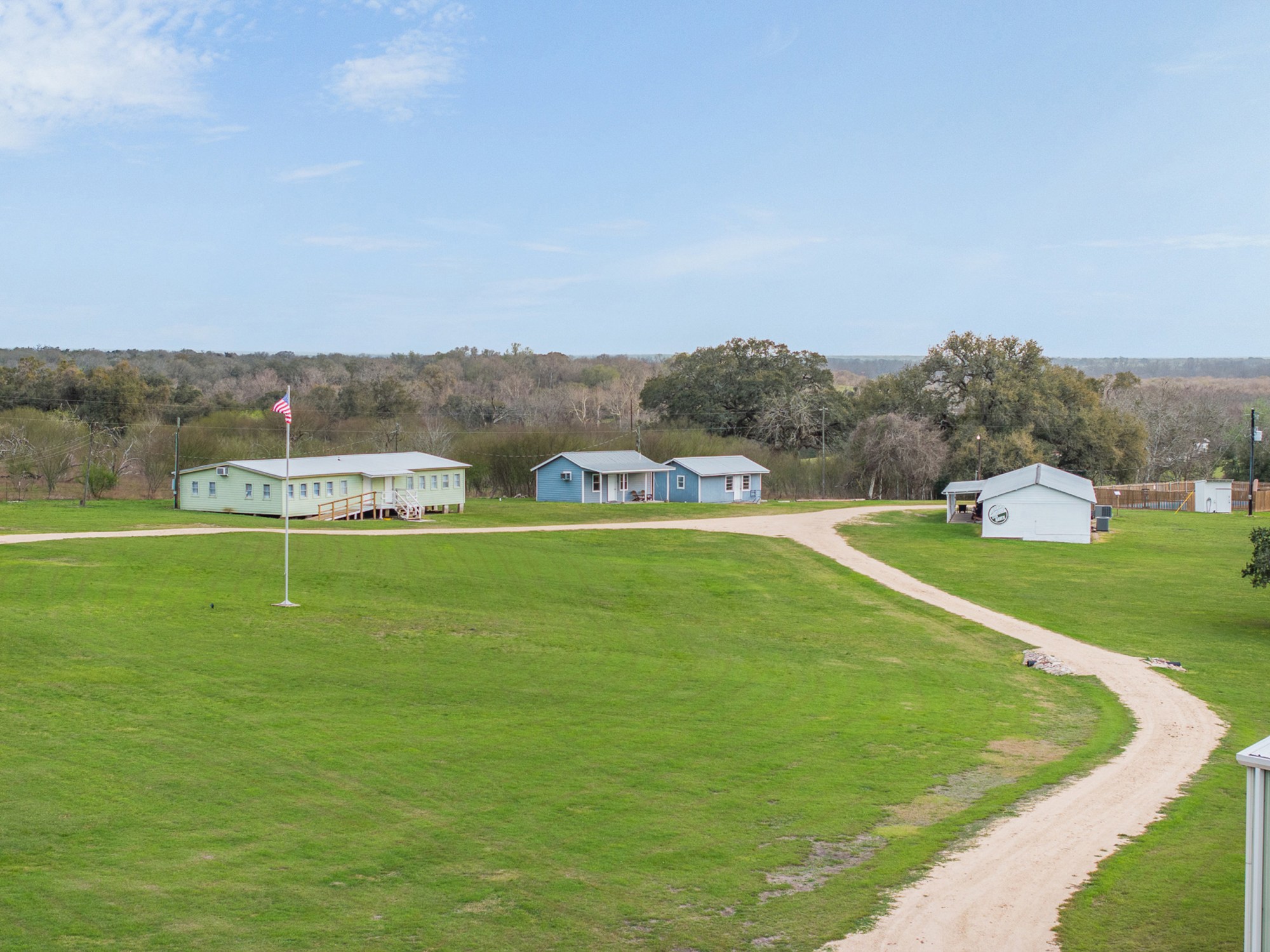
With the fiber dispute partially resolved for the summer, some camps can open, but the long-term picture remains uncertain. Camp leaders want lawmakers to come back with targeted fixes that account for geography, mission and budget. Until that happens, many small programs will keep closing or shrinking, and rural families will have fewer affordable, trusted places for their children during summer months.