From New York to Los Angeles, and Washington to Houston, this roundup sketches the most notable moments from the past week in America, highlighting big wins, sudden storms, tech milestones and local scenes that grabbed attention across the country.
The week opened in New York with a sports upset that stopped conversations at coffee stands and on subways, where an underdog team pulled off a late comeback and forced fans to rethink expectations for the season. Street celebrations and stunned silence in equal measure showed how a single game can tilt a city’s mood for days. That kind of urban electricity traveled fast on social feeds and in bar rooms from Manhattan to Brooklyn.
Out West, Southern California felt the tug of wildfire season again as crews fought a fast-moving blaze near the outskirts of Los Angeles, pushing residents to urgent evacuations and temporary shelter. Local fire departments, mutual aid teams and volunteers worked through the night to protect homes and critical infrastructure, while air quality advisory warnings blanketed surrounding counties. The situation underscored how climate-driven risk remains a persistent part of life for communities along the coast and inland valleys.
In the energy and infrastructure corridor around Houston, a surprise storm knocked out commuter traffic and closed a few major arteries, but it also highlighted neighborhood resilience as neighbors opened garages and church halls to stranded commuters. City transit teams rerouted buses and coordinated with county officials to clear waterlogged roads, and the tempo of recovery felt methodical and hands-on. Those rapid responses reminded people that municipal systems matter when weather turns from nuisance to hazard.
Silicon Valley served up a quieter kind of headline when a startup unveiled a hardware prototype that promises incremental improvements in battery life for everyday devices, pitching incremental efficiency gains rather than sweeping miracles. Industry analysts framed the announcement as steady, practical innovation aimed at squeezing more runtime from existing technology rather than rewriting the electricity playbook. Investors and tech journalists treated the reveal as sensible progress worth watching over the next quarter.
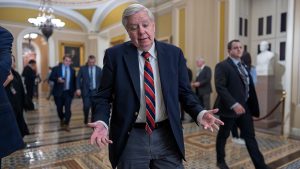
In Washington, D.C., the week featured a string of public hearings and briefings that kept policy staffers and lobbyists busy, while think tanks released fresh data aimed at guiding urban policy and economic planning. Meetings that might have felt routine in past years drew sharper public interest as local leaders and advocacy groups took to social platforms to call attention to specific community impacts. The pace in the capital can feel bureaucratic, but the downstream effects echo in cities and towns across the country.
Culture and entertainment offered softer moments, with a small film festival in a Midwestern city bringing filmmakers, critics and curious viewers together to celebrate local storytelling and indie voices. Q&A sessions and late-night screenings created a mood of discovery, and a handful of breakout short films picked up distribution interest that could change the filmmakers’ trajectories. Those grassroots arts scenes keep proving they matter for careers and civic identity alike.
Meanwhile, communities large and small shared acts of neighborly courage: a volunteer-run food distribution point in a rust-belt suburb stayed open through a logistical snafu to serve families, while a volunteer medic in a mountain town jumped in to help after a highway pileup until reinforcements arrived. These smaller, human-scale stories threaded through the week and offered plain evidence that public life is stitched together by ordinary people stepping up when systems get strained. They won’t headline for long, but they are the quiet backbone of how places cope when things go sideways.
By week’s end, the rolling mix of sports, weather, tech progress and civic grit left communities carrying different notes into next week—some anxious, some energized, and many simply ready to get back to work. Those moments remind us that national headlines are really a quilt of local experiences stitched together, with each stitch reflecting an ordinary American response to an extraordinary day.