After overnight storms on Sunday, May 17, widespread power outages left residents across multiple counties scrambling for answers and basic services. This article looks at what happened overnight, how utilities and emergency crews responded, what people are facing now, and practical steps households can take to stay safe while power is being restored.
Severe thunderstorms rolled through during the night, bringing high winds, lightning, and downed trees that tore through power lines. Electric utilities reported surges of outage reports beginning in the early hours, with crews dispatched to assess damage and clear hazards. Weather trackers warned of continued instability in the region, complicating repair schedules and crew safety.
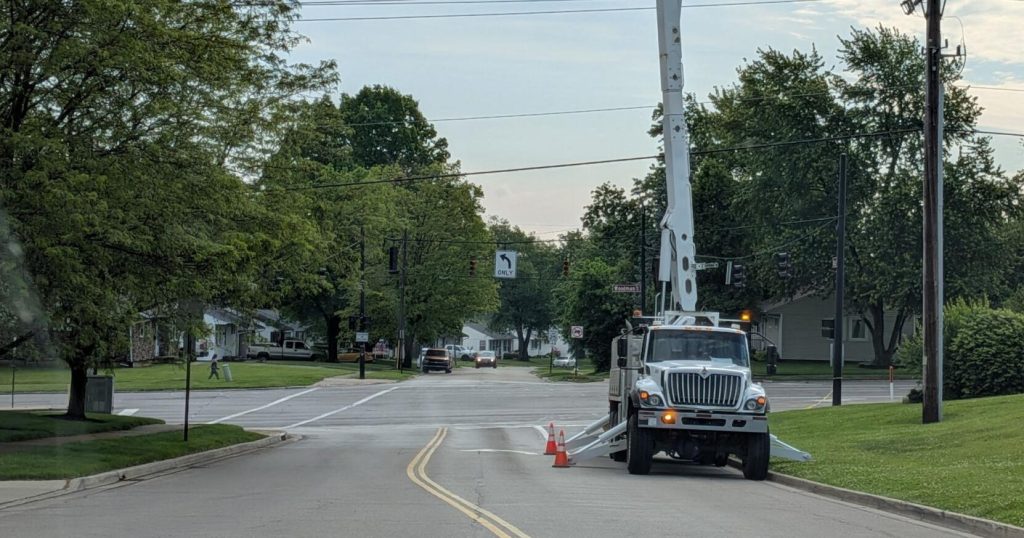
Outages have swept across multiple counties on Sunday, May 17 after overnight storms.
Places without power are feeling the impact quickly: no lights, interrupted refrigeration, dead HVAC systems on humid nights, and a spike in demand at charging stations. Traffic signals out and streetlights darkened have created safety challenges on busy roads during morning commutes. Small businesses reliant on refrigeration or point-of-sale systems also face losses while lines remain down.
Utility companies say restoration times vary by damage severity, prioritizing critical facilities like hospitals, water treatment plants, and communication hubs. Crews must first make roads safe and remove fallen trees before they can safely repair wires and poles, which extends timelines in heavily affected areas. Mutual aid from neighboring utilities is often requested to speed up multi-county repairs when storms cause widespread damage.
For residents, a few simple steps cut risk and discomfort: keep phones charged, use flashlights instead of candles, and unplug sensitive electronics until power stabilizes. If you rely on medical equipment, contact your provider or local emergency services to confirm backup plans or temporary power locations. Avoid downed lines and assume any fallen wire is live; stay at least 30 feet away and report the hazard immediately.
Generator use rises during extended outages, but improper setup creates new dangers. Portable generators should run outdoors and away from open windows to prevent carbon monoxide buildup, and heavy extension cords should be used to connect appliances rather than trying to wire them into a home’s electrical panel. If unsure, wait for a licensed electrician to install transfer switches or other safe connection methods.
Food safety is another concern when refrigeration stops; a full refrigerator will keep food cold for roughly four hours, while a full freezer can last up to 48 hours if kept closed. Prioritize freezing or cooling items that spoil quickly and discard anything that smells off or has been above 40 degrees Fahrenheit for more than two hours. Community shelters and some cooling centers will accept perishable donations or offer space with power to preserve critical meds and foods.
Communications often degrade as cell towers operate on limited backup power, so plan for spotty service and conserve battery life. Report outages through your utility’s official outage map or phone line rather than social platforms to ensure your situation is logged for restoration planning. Check with local emergency management for updates on road closures, shelter openings, and locations offering charging stations or potable water.
Neighbors checking in on one another can make a big difference, especially for older residents and those with medical needs. If you have chainsaws or tools and training to help clear debris safely, coordinate with local authorities before acting so efforts aren’t duplicative or unsafe. Volunteers with proper safety gear can be a force multiplier, but always work under direction so utility crews and first responders can operate without added risk.