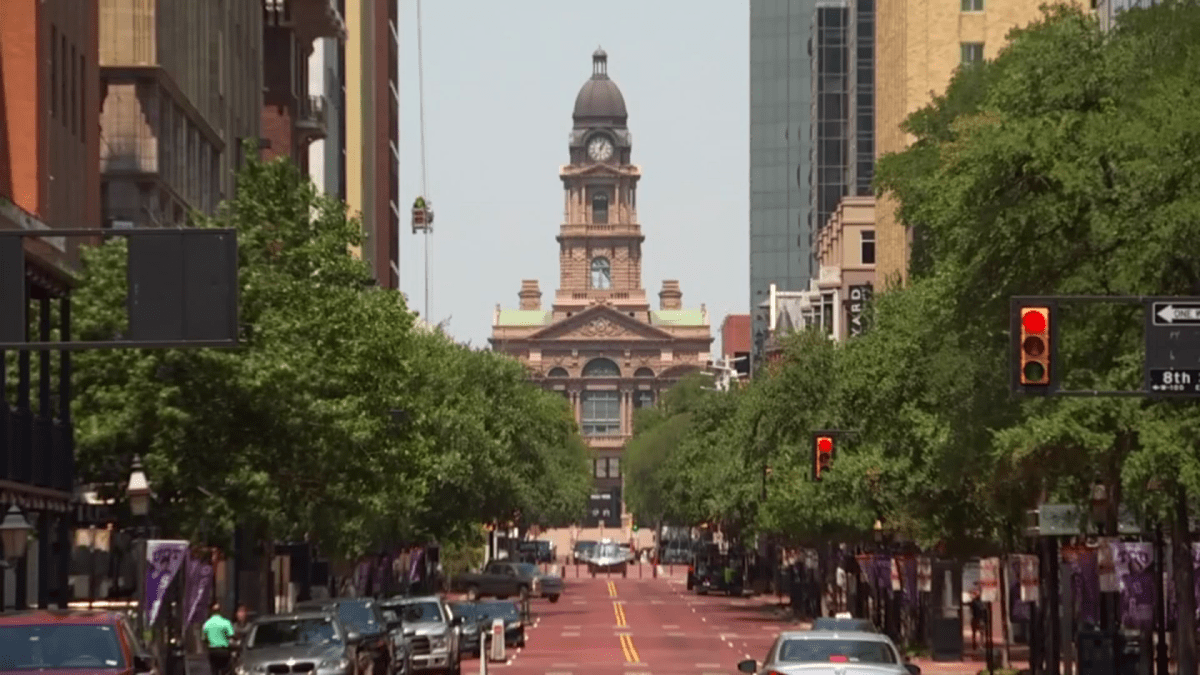
Fort Worth has officially crossed a major milestone: the U.S. Census now counts more than 1 million residents in the city, moving Fort Worth into the nation’s top 10 by population. This shift reshapes how people, businesses, and leaders think about growth in Tarrant County and the broader Dallas-Fort Worth metroplex.
The Census update is more than a headline; it confirms what locals have seen for years — steady construction, new neighborhoods, and longer commutes. Fort Worth’s rise reflects both in-migration and sustained local growth, not just one-off booms. City planners and developers have been preparing for this kind of scale, but the pace still surprises many.
Job opportunities have driven a lot of the population increase, with health care, logistics, manufacturing, and tech jobs expanding around the city. Companies large and small are choosing Fort Worth for lower costs compared with some coastal alternatives. That business momentum helps explain why people and families are putting down roots here.
Housing construction has tried to keep up, but demand often outstrips supply in fast-growing spots. New subdivisions, apartment complexes, and infill projects are popping up across neighborhoods from the Near Southside to far north Fort Worth. Still, affordability pressures linger, especially for first-time buyers and renters on fixed incomes.
Transportation is a daily reality of growth, and Fort Worth’s infrastructure faces real tests. Roads designed for a smaller city strain under more vehicles, and public transit options are evolving but still limited compared with population needs. The city and regional partners will have to coordinate on roads, transit, and last-mile solutions to avoid gridlock that chips away at quality of life.
Schools are another key piece of the puzzle as families arrive and enroll kids in local districts. Fort Worth Independent School District and surrounding districts have seen enrollment changes that require careful budgeting and planning. Investments in classrooms, teachers, and facilities are essential to handle both current students and future growth.
Water, wastewater, and utilities are the unsung infrastructure that must scale quietly behind the scenes. Fort Worth’s utilities teams must plan long-term to avoid shortages or service problems as the population continues to climb. Those technical challenges rarely make headlines, but they determine how well a city functions day-to-day.
Public safety and emergency services also need to keep pace, from police and fire staffing to hospital capacity. As neighborhoods expand outward, response times and resource deployment must evolve too. Officials will likely revisit budgets and staffing models to match the city’s new size.
The cultural and social fabric of Fort Worth is changing alongside its headcount, with new restaurants, galleries, and entertainment venues arriving. The city’s museums, performing arts, and sports scene benefit from a larger audience and more diverse tastes. That cultural growth helps attract visitors and talent who want a lively urban experience without coastal prices.
Economic diversity makes the city more resilient; Fort Worth’s mix of defense contractors, aviation, health care, and logistics firms spreads risk across sectors. That mix matters when national or global markets wobble, as different employers pull through varied cycles. Investors and planners like that balance when they’re deciding where to expand next.
Neighborhood character remains important even as the city grows, and maintaining a sense of place is a priority for many residents. Long-time communities want sensible infill rather than unchecked sprawl, and newer residents desire walkability and local amenities. Managing growth means balancing large-scale development with neighborhood voices and historic preservation.
Regional cooperation inside the Dallas-Fort Worth metro area is crucial because the economy and traffic flow don’t stop at city limits. Fort Worth’s growth affects Dallas and surrounding suburbs, creating shared challenges and shared opportunities. Transportation planning, job centers, and housing markets will require a metropolitan mindset, not just a city-focused approach.
Real estate trends will keep watchers busy: where developers choose to build next, which neighborhoods appreciate fastest, and how zoning responds to demand. Investors will track Fort Worth’s place in national rankings and act accordingly, while residents will watch local policy decisions closely. Zoning and permitting reforms could accelerate or slow where new housing appears.
Political leaders will feel the pressure to deliver for a larger constituency, which means city hall and county offices must adapt their strategies. Mayors, council members, and county officials will have more complex constituencies and more competing priorities for limited budgets. That’s an administrative test that comes with the territory of rapid population growth.
Beyond the practical issues, reaching a million people changes a city’s identity and how it markets itself to the world. Fort Worth joins an elite group of American cities with that milestone, and the designation brings new expectations. How the city manages growth now will define quality of life for decades to come.