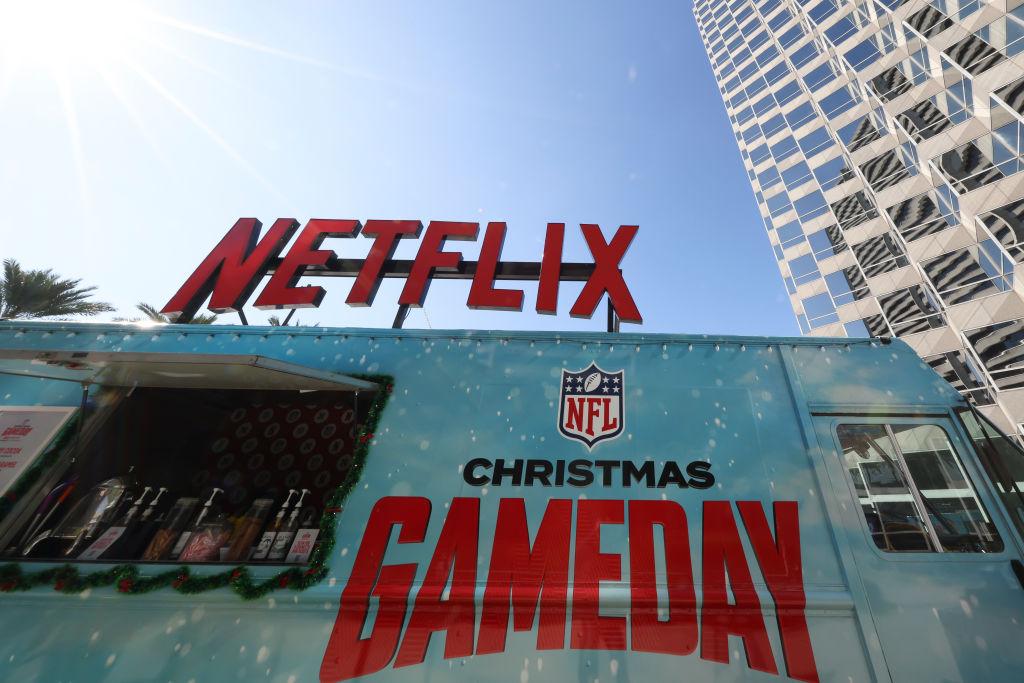
LightShed Partners’ recent analysis and the NFL’s shifting distribution deals are changing the way fans pay for football. From network broadcasts to new streaming windows and even a basic antenna pickup, the data suggests watching all 272 regular season games no longer requires a full cable bill, a shift that matters for fans nationwide and was visible in NFL marketing moments like the December promotion captured by Aaron M. Sprecher in New Orleans.
Analysts at LightShed Partners say one clear thing: cheaper access is happening. Competition among streamers and continued over-the-air broadcasts means fans can stitch together a package that covers the season for far less than the traditional cable bundles that used to dominate. That math looks different when you include free local channels via an antenna and standalone streaming subscriptions where rights land.
At the core of the argument is a simple fact: the NFL still puts a lot of its marquee games on broadcast networks. Those games remain available to anyone who can pick up local channels, so an inexpensive antenna suddenly becomes a key component in a low-cost viewing strategy. Combine that with targeted streaming deals for Thursday and certain exclusive packages, and you can cover most matchups without subscribing to a full cable lineup.
LightShed’s headline finding — that fans can watch every NFL game, 272 in tidal, for under $600 with an antenna — grabbed attention because it translates into real cash saved. Whether you parse that number by subscription promos, seasonal passes, or the odd free trial, the competition among rights holders forces pricing creativity. For households that prioritize football, that competition is a backdoor discount on the sport.
Streaming platforms are actively bidding for bite-sized windows of NFL content rather than trying to pretend they can replace broadcast television entirely. That’s how you end up with special event deals and selective exclusives that move viewers to one service for a handful of games. The result is modular access: pick a few services for a season, add an antenna, and you’re largely covered.
There are tradeoffs. Switching services or juggling short-term subscriptions demands more attention from the consumer than a single cable bill used to. Blackouts, local rights, and simultaneous streaming restrictions still complicate the picture in some markets. But for many viewers the savings are worth that occasional app flip or calendar reminder about a free trial ending.
Advertisers and networks are also adjusting. When audiences fragment across streaming platforms and broadcast windows, the economics of ad sales shift toward more targeted buys and sponsorships that follow viewers across services. That feeds the competitive cycle: platforms chase live sports because it still draws a scale of eyeballs advertisers want, even if those eyeballs are spread across more channels.
From a practical standpoint, the low-cost setup often looks like this: an antenna to grab CBS and FOX, one or two subscription services for prime-time exclusives and Thursday nights, and the league’s own offerings where they exist. Fans who live in markets with strong over-the-air reception see the most benefit; viewers in fringe reception areas may rely more on streaming substitutions. Either way, the baseline price to follow the season has come down for a lot of households.
Beyond price, availability matters. When the league and its broadcast partners make deals with streamers, it increases the variety of ways to tune in, which helps fans who travel or who cut the cord entirely. That was visible in promotional campaigns and game-day messaging across cities like New Orleans and elsewhere, where the league highlighted streaming windows to reach new viewers. The net effect is more flexibility for fans and pressure on old pay-TV models.
Watching changes in how rights are parceled and how platforms price access will be important next season. If the current trend holds, the typical fan will keep benefiting from lower effective costs and more options to watch the full slate. LightShed’s numbers underline a broader industry reality: live sports remain valuable, but how consumers capture that value is getting cheaper and more flexible.