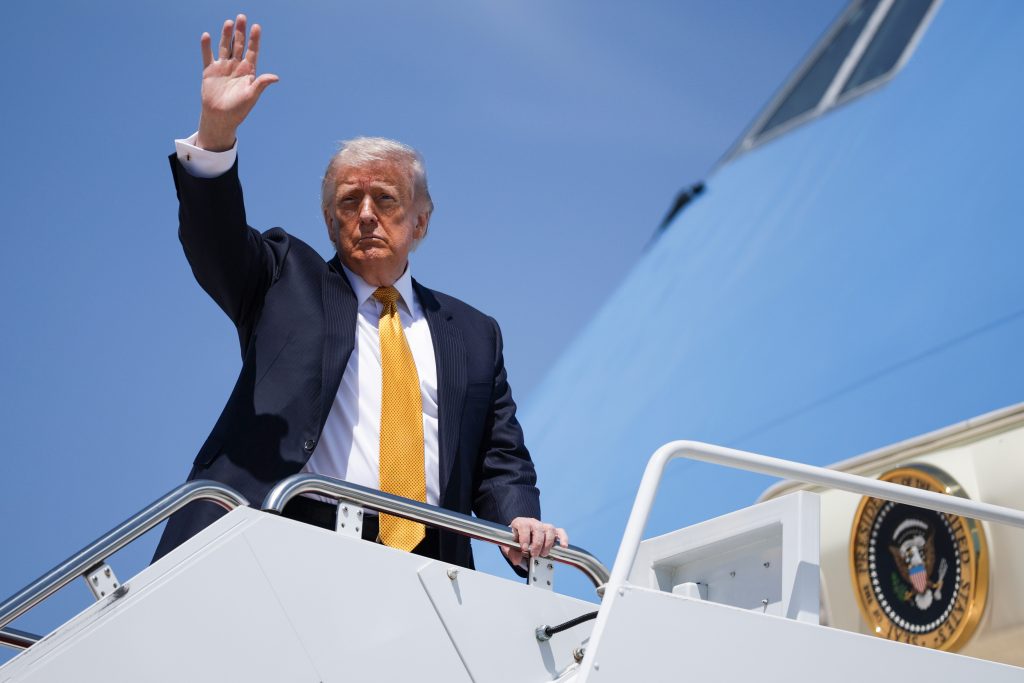
President Donald Trump announced that U.S. and Nigerian forces conducted a mission on Friday that killed a leader of the Islamic State group in Nigeria, a development that highlights growing cooperation between Washington and Abuja and raises questions about regional security and next steps.
The operation, described by Trump, was carried out on Friday and involved American support alongside Nigerian military action. Officials have framed the result as a concrete strike against a senior figure tied to the Islamic State group’s activity in the region, and the announcement underscores a willingness to act decisively when threats emerge. For the United States, this kind of partnered mission signals a hands-on approach to counterterrorism in West Africa.
Nigeria has long struggled with militant groups that pledge allegiance to the Islamic State, and local dynamics make leadership targets both high value and hard to reach. The presence of violent extremist networks has destabilized communities across northern Nigeria and spilled into neighboring countries, driving humanitarian needs and undermining local governance. A successful strike against a leader can disrupt planning and morale, but it also invites retaliation and requires sustained follow through.
From a Republican vantage point, taking the fight to the enemy with partner forces is the right kind of leadership. President Donald Trump’s announcement will play well with voters who prefer clear, immediate action over protracted debate in Washington. Backing allied militaries while providing American capability sends a message that the United States still projects power where it matters and supports sovereign partners who face brutal insurgents on their soil.
That said, tactical success must be paired with strategy. Killing a leader removes a node in a network, but it does not solve the political and economic conditions that let violent groups thrive. The work ahead includes supporting Nigerian security forces, improving intelligence sharing, and helping communities recover so extremists cannot simply reconstitute under a different name. A focused mix of military pressure and durable development assistance will be necessary to keep any gains from evaporating.
Regional stability benefits when local partners take responsibility and when U.S. support is targeted and effective. Coordination between the U.S. and Nigerian militaries demonstrates useful interoperability and sends a deterrent signal to other transnational networks. It also raises questions about rules of engagement, oversight, and the long-term footprint the United States should maintain in places where governance gaps persist.
For Nigerians who have borne the brunt of violence, the removal of a high-level militant can bring relief, but it will not erase trauma or immediately restore normal life. Humanitarian relief and security must move in step, and Abuja needs sustained support to rebuild trust in affected regions. Washington should continue to partner without patronizing, offering capabilities that amplify local efforts rather than replacing them.
Moving forward, Congress and the White House must be clear about objectives and limits. Policymakers should insist on regular briefings, measurable goals, and a plan for transitioning responsibility fully to Nigerian institutions where feasible. The current strike shows what partnership can achieve; now the emphasis should shift to ensuring that tactical victories turn into lasting security and stability across the region.