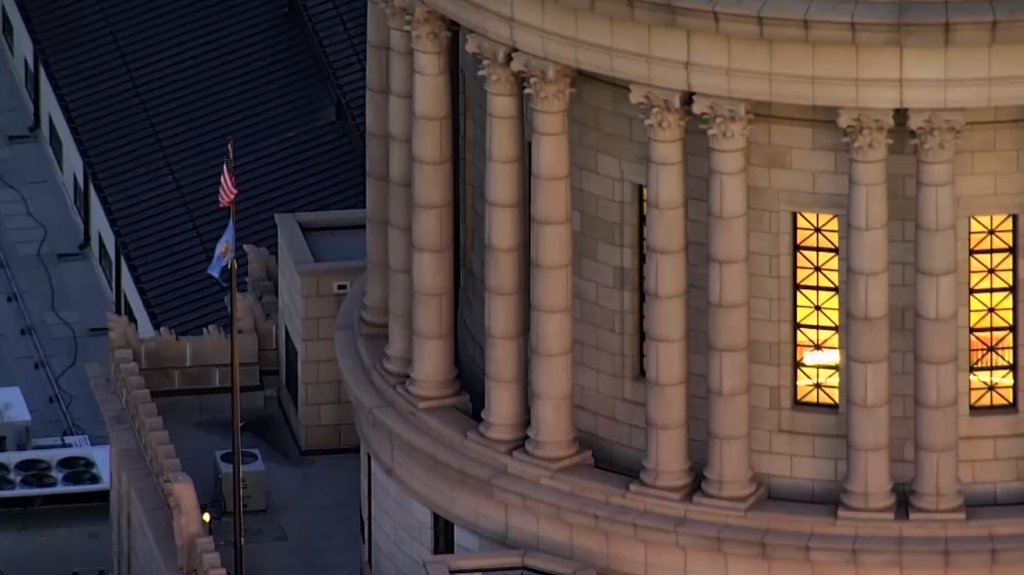
Oklahoma lawmakers closed out the 2026 regular legislative session in Oklahoma City after a sprint of votes, heated floor debates and committee showdowns. The legislature approved a slate of new laws while some contentious fights stretched into late nights, and a handful of proposals were left unresolved as lawmakers adjourned. The mix of wins and unfinished business leaves both champions and critics already planning their next moves ahead of any special sessions or the 2027 cycle.
The session produced tangible wins that leaned toward conservative priorities, focusing on tax relief, school choice, and public safety measures. Legislators pushed bills aiming to ease the tax burden on families and small businesses, while expanding options for parents who want alternatives to traditional public schools. Supporters argued these moves send a clear message that the state is serious about economic freedom and local control over education.
Not every measure sailed through easily; the Capitol saw fierce debates over cultural and classroom issues that have become flashpoints nationwide. Lawmakers sparred over curriculum oversight, the role of parents in schools, and how best to preserve community standards without micromanaging classrooms. Those clashes often reflected a broader conversation within the Republican base about balancing tradition with pragmatic governance.
On public safety and criminal justice, the mood was pragmatic and results-driven. Bills aimed at bolstering law enforcement resources and tightening penalties for violent offenders found support among conservative legislators who framed the measures as common-sense protections for neighborhoods. At the same time, some proposals meant to reform sentencing or expand diversion programs moved more slowly, showing the legislature’s caution in making quick changes to complex systems.
Health care and budget-related proposals proved trickier, and several high-profile items stalled before final votes. Lawmakers left unresolved measures touching on Medicaid reform, provider payments and long-term care financing, reflecting deep disagreements about the proper role of government in health services. Those unfinished pieces are likely to resurface as lawmakers and stakeholders negotiate trade-offs between fiscal discipline and meeting rising healthcare needs.
Political dynamics shaped much of the session’s pacing and priorities, with caucuses lining up around competing visions for Oklahoma’s future. Republican leaders largely steered the agenda toward conservative policy wins, emphasizing limited government and personal responsibility. Opposition voices raised concerns about oversight, transparency and the real-world impact of some changes, ensuring votes remained contested and, at times, unpredictable.
As the gavel fell, attention turned to implementation and what comes next for proposals that didn’t make it across the finish line. Executive agencies and local officials now face the task of translating new statutes into workable programs, and unanswered questions about budget assumptions could force lawmakers back to action if revenue shortfalls appear. Meanwhile, interest groups and voters are already crafting the next round of priorities and campaign messaging based on this session’s outcomes.
For Oklahomans watching from towns across the state, the session offered both reassurance and unresolved issues: reassurance that conservative goals made headway, and unresolved issues that will demand attention in future deliberations. With policy fights far from finished, the scene is set for continued scrutiny at the Capitol and renewed pressure from citizens who expect results on the promises lawmakers made this year.