There is a corner of Los Angeles that most people zoom past on their way to nowhere in particular, and I have made it my personal mission to change that. Tucked into the southernmost tip of San Pedro — a neighborhood that feels more like a small coastal town than a sprawling megalopolis — Point Fermin Park is the kind of place that stops you mid-stride and makes you wonder why you ever wasted a Saturday sitting in traffic on the 405.
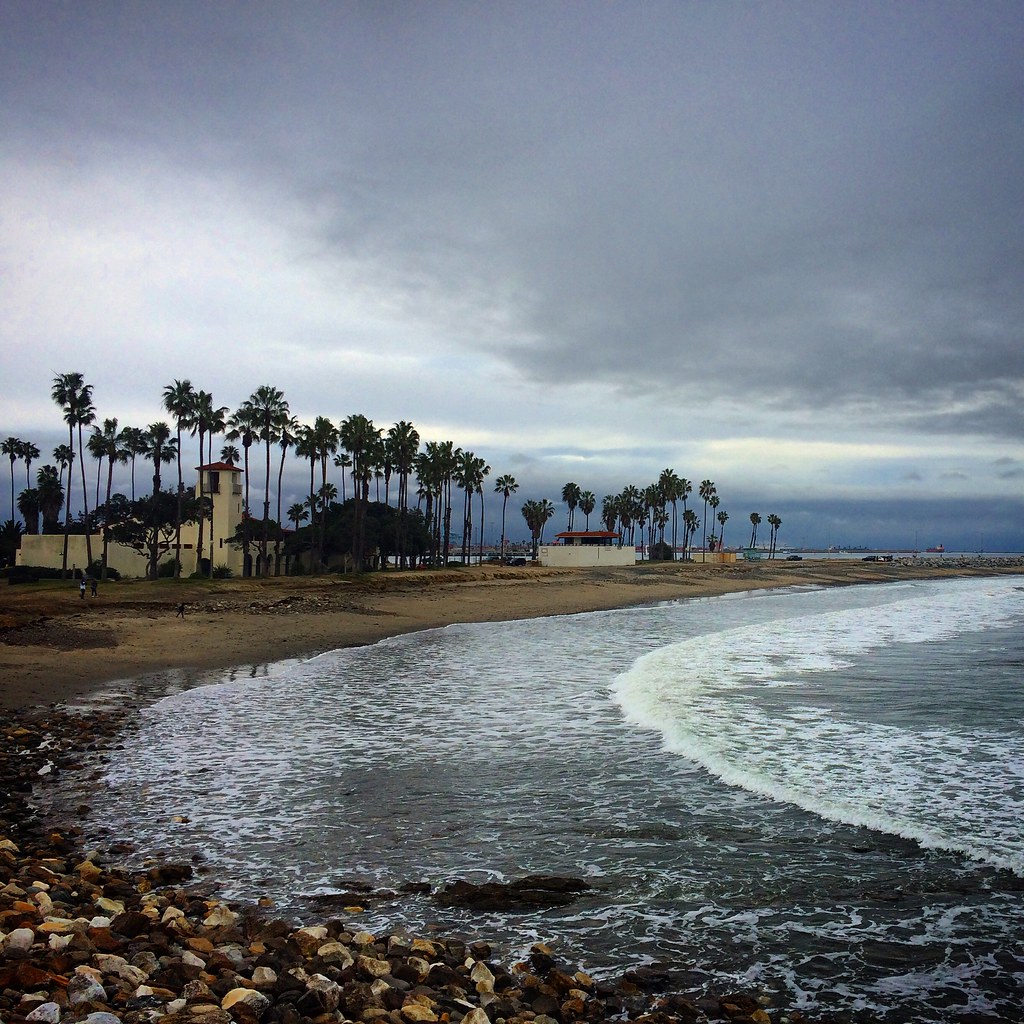
The park itself sits on a bluff overlooking the Pacific, and the view is nothing short of cinematic. On a clear morning, which San Pedro delivers with surprising regularity, you can see Catalina Island floating on the horizon like a mirage you fully intend to visit someday. The grounds are lush and manicured, shaded by enormous Moreton Bay fig trees whose roots sprawl across the earth like something out of a fairy tale. Families spread out blankets, couples share thermoses of coffee, and retirees walk slow, deliberate laps along the perimeter paths. The pace here is genuinely unhurried, and that alone feels like a gift.
At the western edge of the park stands the Point Fermin Lighthouse, a stunning Stick-Eastlake Victorian structure built in 1874 from materials shipped around Cape Horn. It is one of the oldest lighthouses on the West Coast and, remarkably, still stands in beautiful condition. Docent-led tours run on weekends and give you a look inside that is well worth the time — the history of maritime Los Angeles comes alive in ways that no textbook could replicate.
But the real draw for the adventurous visitor is what lies just below the park’s southern fence line: the Sunken City. In 1929, a section of the bluff began sliding toward the sea, taking an entire neighborhood of homes, streets, and infrastructure with it. What remains today is an eerie, beautiful tangle of broken pavement, tilted slabs of concrete, and old street names that now point toward open sky. The site was officially closed for decades but was reopened for public access in 2014, and exploring it feels like stumbling onto a surreal outdoor art installation designed by geology itself. Local artists have adorned many of the slabs with murals, and the whole scene — waves crashing below, paint-splashed concrete underfoot, sea breeze in your face — is unlike anything else in the city.
Getting there is straightforward. Take the 110 South all the way to its terminus in San Pedro, then follow Gaffey Street south to Paseo del Mar. Free street parking lines the bluffs, and the neighborhood rewards those who linger. Grab a fish taco from one of the waterfront spots on 22nd Street afterward, and you have assembled a near-perfect Los Angeles afternoon. San Pedro is a working port town with real character, and Point Fermin is its crown jewel. Come see it before everyone else figures that out.