Conventional wisdom says vegetable gardens need full sun, but a productive garden doesn’t always require the recommended six to eight hours of direct sunlight. If fences, trees or your house cast shade on your soil, growing vegetables won’t be out of reach if you stick to plants that are grown for their leaves, stems or roots, rather than those grown for their fruit, like tomatoes, cucumbers, squash or peppers.
Shade-Tolerant Plants
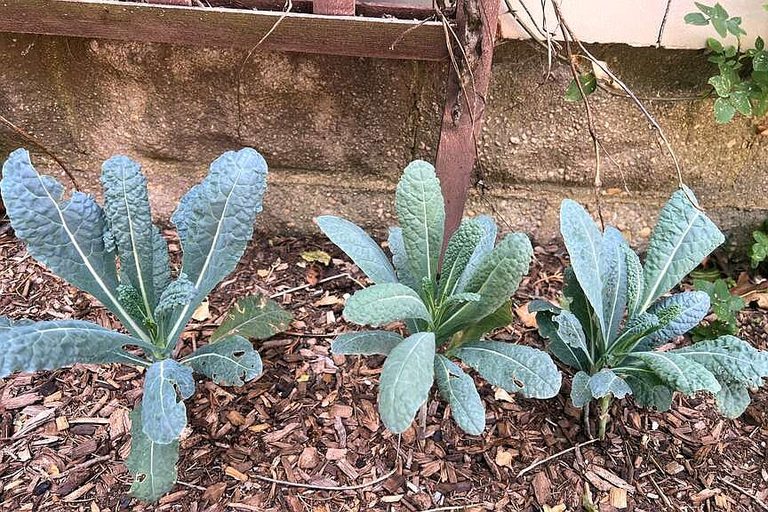
Most leafy greens are exceptionally shade-tolerant, thriving in as little as three to four hours of sunlight. Arugula, bok choi, chards, collard greens, kale, loose-leaf lettuces, mustard greens, radicchio and spinach are shade garden heroes. Root vegetables require a little more sun but can be successfully grown in partially shady conditions. Full sun will produce larger harvests, but if your garden bed receives only four to six hours of sunlight, you can grow potatoes, carrots, beets, parsnips, radishes and turnips.
Leafy herbs, too, can be grown in lower-sun areas. In fact, protection from those blistering rays will prevent leaf scorch (browning or burning of leaves) and bolting (when a plant produces seeds prematurely and its leaves become bitter). Basil, chervil, chives, cilantro, lemon balm, mint and parsley are great choices for part shade.
Helping Plants Thrive in Shade
When growing crops in shady spots, it’s best to start seeds indoors or buy starter plants at the nursery. Most seeds require sunlight to germinate, so their sprouting may be hampered outdoors or at least take longer. Shady gardens can benefit from the addition of reflective surfaces. Paint the fence white, or hang a strategically placed mirror. The sun’s rays will bounce off it, providing the energy plants need to photosynthesize.
Original reporting: Texarkana Gazette — read the source article.