Police agencies across North Texas — from Arlington to Dallas, Frisco and Mansfield — are scrambling to secure World Cup crowds against drone threats, and experts like former Arlington Police Chief Theron Bowman and Jamey Jacob of the Oklahoma Aerospace Institute for Research and Education warn there are real gaps. Local departments have some detection gear, but many lack the training, federal certification, or mitigation systems that would let them take down a hostile drone on their own. Dallas Chief of Police Daniel Comeaux and federal partners are stepping in, but the scale of events across the region stretches resources and raises hard questions about who can act if a drone becomes a real weapon.
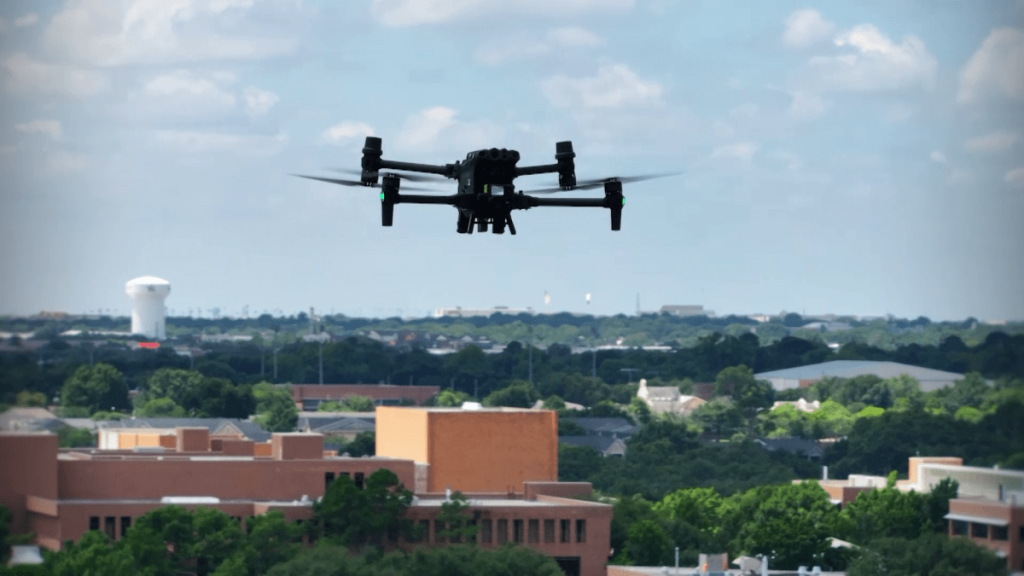
Local agencies already use detection tools to spot airborne devices near stadiums and fan zones, but having a detector is not the same as being able to neutralize a threat. Many departments can find a drone’s signal or identify an operator broadcasting a remote ID, yet few possess the systems, training, and legal clearance to jam, seize, or shoot a drone down. That creates a patchwork of defenses across North Texas just as tens of thousands of fans converge for matches and official events.
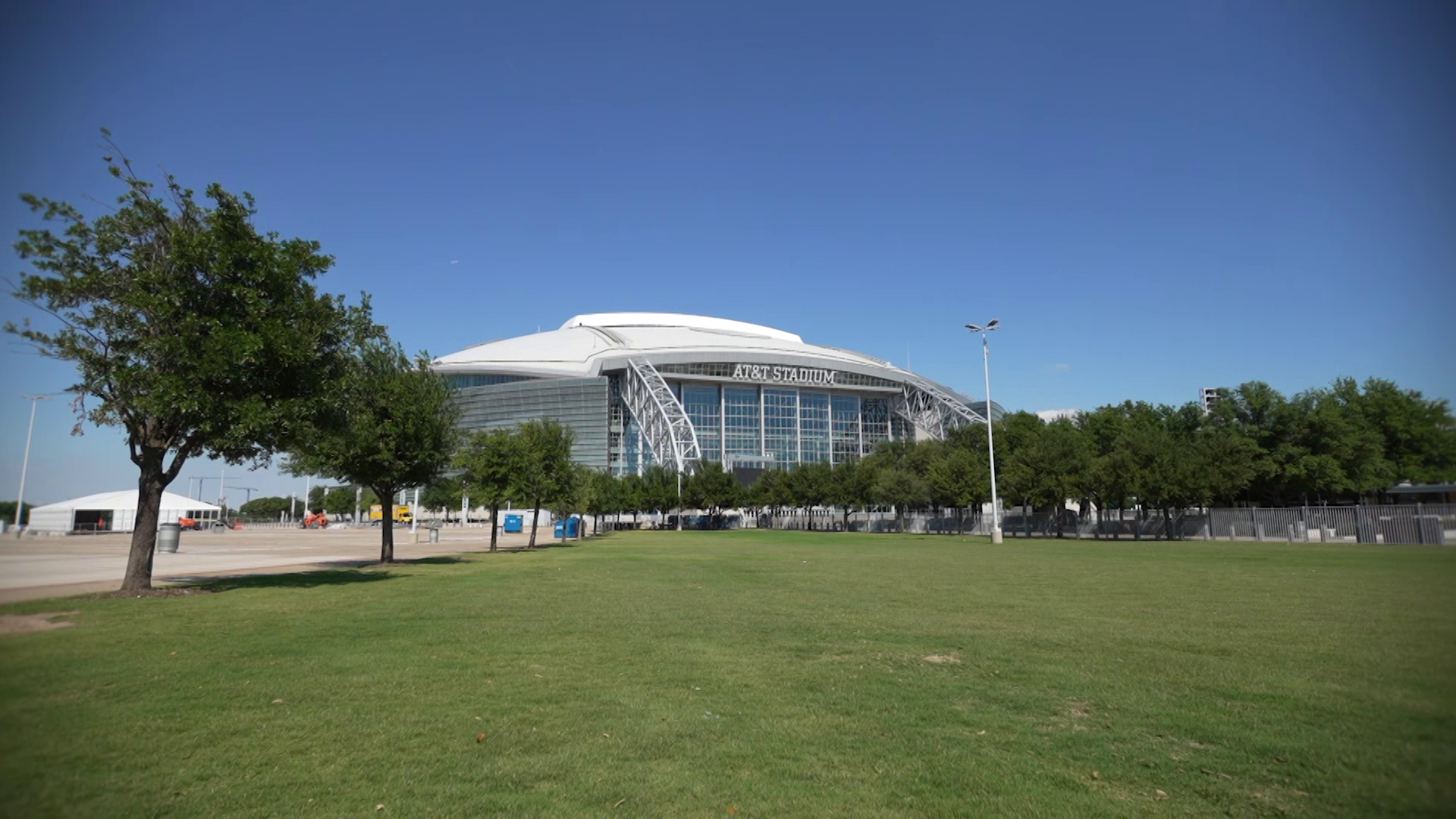
Federal law enforcement has access to advanced options — everything from electronic jamming and remote takeover to kinetic measures — but those tools usually sit with agencies that have the training and authorization to use them. That means local police departments, even those tasked with protecting fan events miles from AT&T Stadium, frequently depend on state and federal partners when a drone threat goes beyond simple detection. Relying on outside help works in theory, but when seconds count, it adds friction to an already tense response picture.
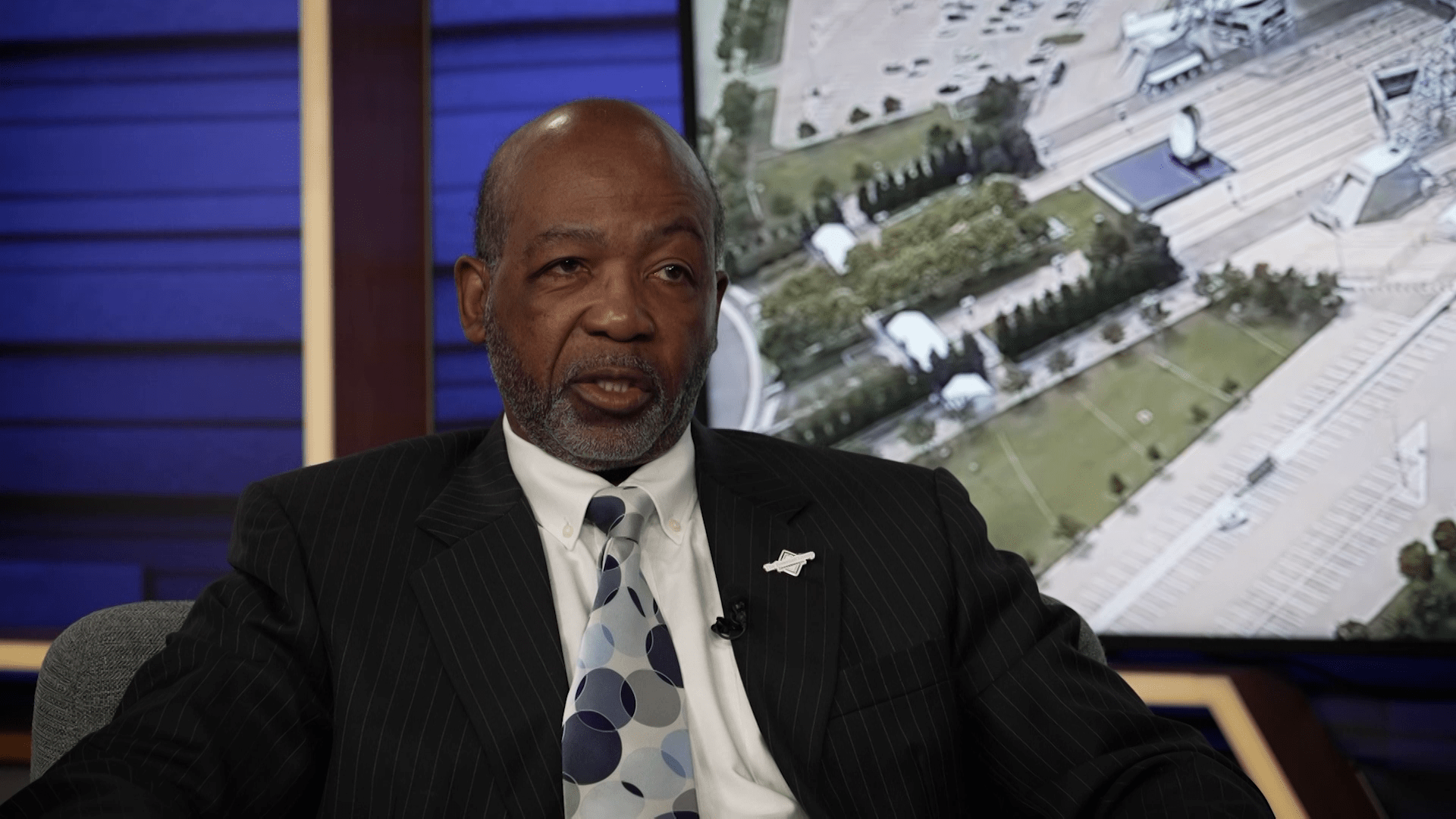
Theron Bowman, who ran the Arlington Police Department and handled security for major events including a Super Bowl, says the risk is not hypothetical. “It can present itself as a catastrophe here locally,” Bowman said. “The threat has to be addressed.” Bowman points out that the World Cup’s footprint stretches across venues and fan gatherings, meaning the sky above North Texas is as important to secure as the street level.
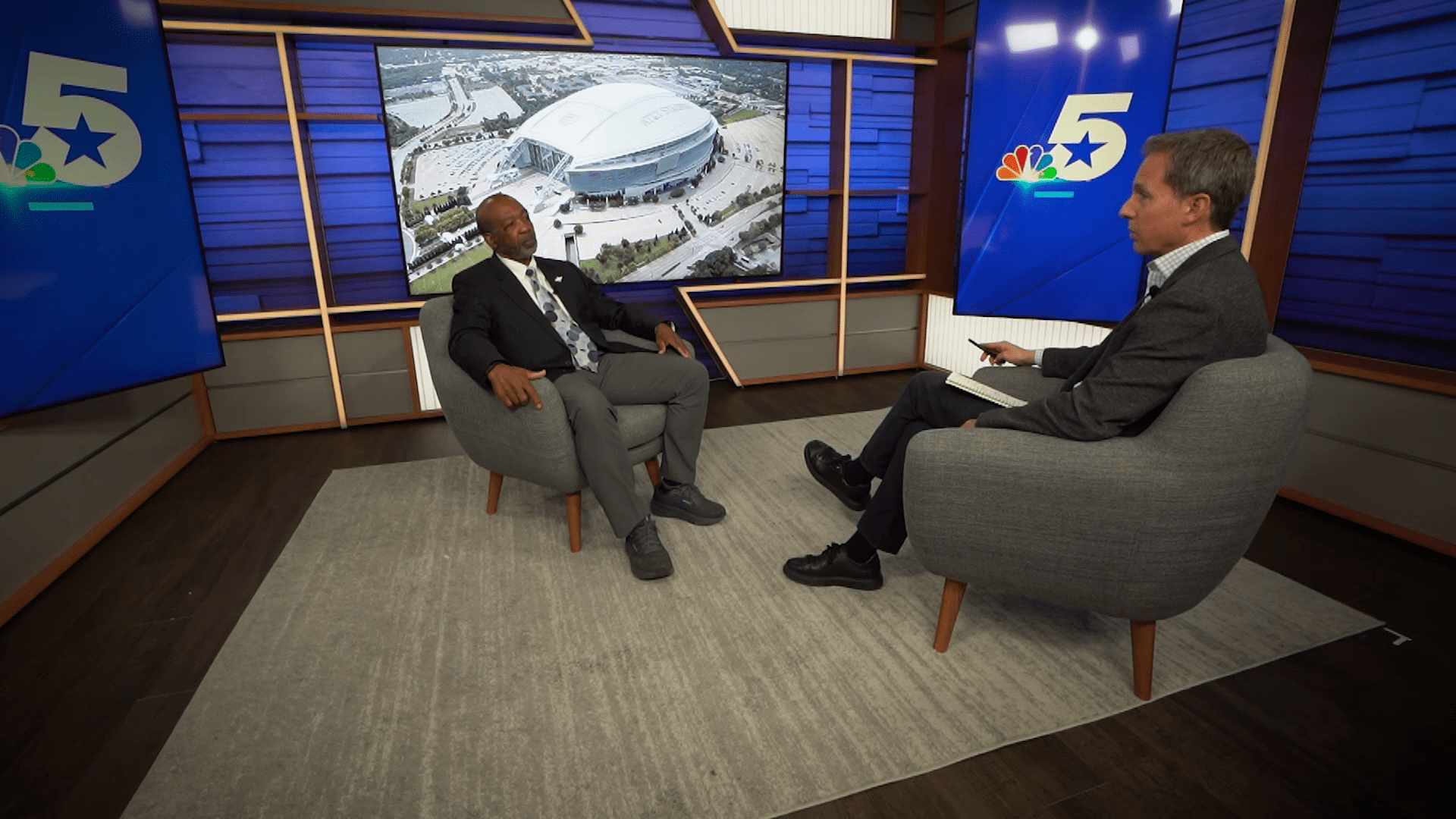
The number of locations to protect only complicates things. Official gatherings include a fan festival at Fair Park, FIFA’s international broadcast center downtown, and team training sites in Frisco and Mansfield, plus informal watch parties and sanctioned events that all draw crowds. Each site needs layered defenses: detection, tracking, and a plan for who can legally and technically mitigate a hostile aircraft if it appears.
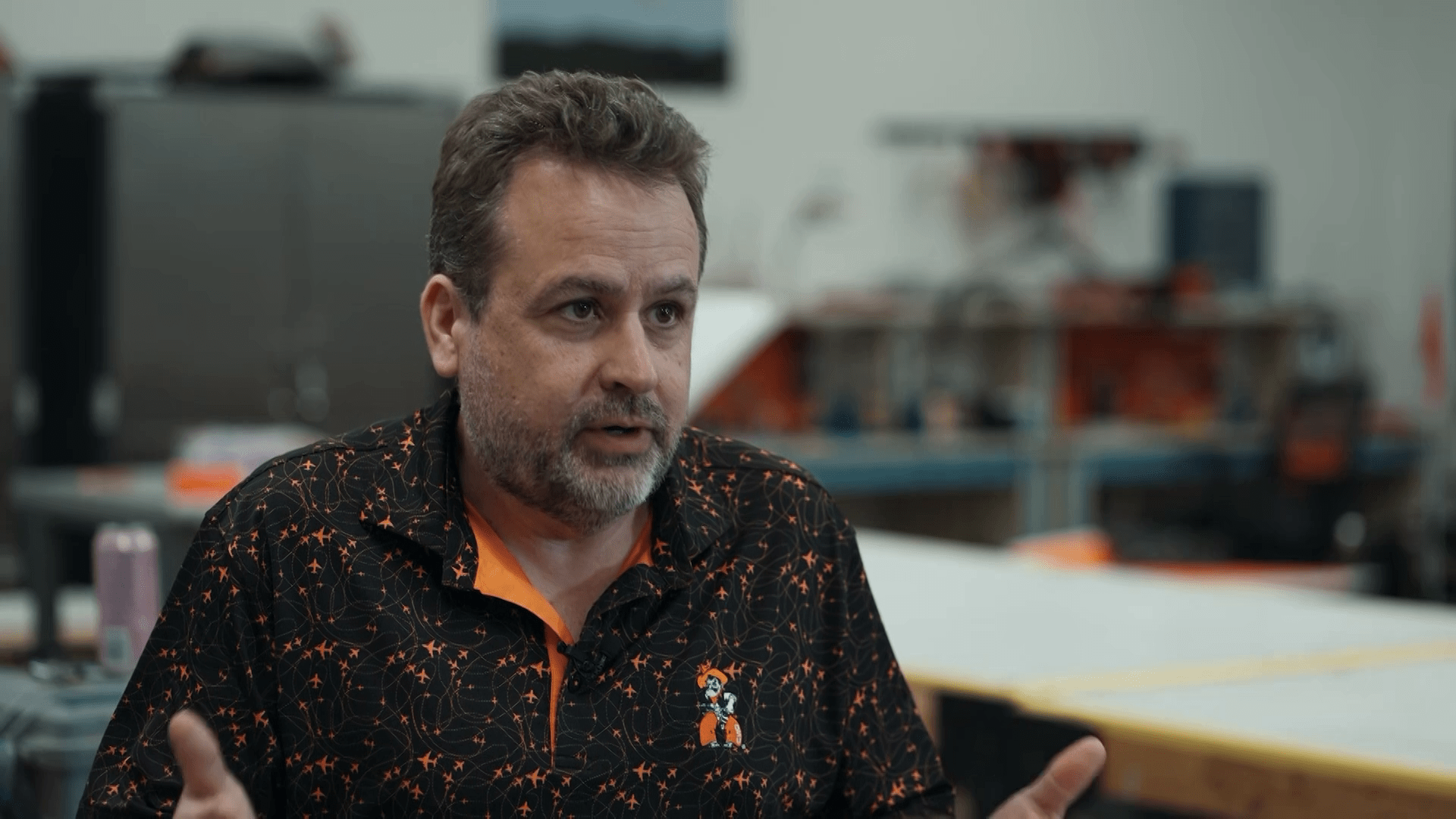
Jamey Jacob, who runs a counter-drone research program, urges layered capabilities and demonstrates how varied the tools can be. He notes that the federal government fields the most sophisticated mitigation systems, including directed energy options, but local agencies face legal and training hurdles before they can use comparable measures. Local departments must get federal authorization and complete specialized training — often at an FBI counter-drone center in Alabama — before they can carry out mitigation operations on their own.
Some departments have taken steps: Arlington says one of its drone operators attended the FBI training, but the department also says they “do not yet have the infrastructure in place to carry out mitigation operations independently.” That means for the big matches they will coordinate with state and federal partners rather than neutralize a threat on their own. Detection gear is helpful, but it doesn’t replace the ability to stop a hostile craft.
Jacob breaks down what many local systems actually do. “The radio detection systems, those are relatively low cost, and those are things that we’re gonna see law enforcement essentially have on hand,” Jacob said. “But those only maybe get 95% of the potential threat.” Those systems are strong at finding operators who forget rules or broadcast remote ID, but they’re not foolproof.
That gap is critical because not all drones broadcast. A so-called dark drone won’t transmit an ID and can be programmed to fly dead reckoning straight to a target without a pilot at the controls. Detecting and tracking those devices requires more sophisticated radar and sensor suites than most local agencies possess today. Jacob says those higher-end radar systems can find dark drones, but they aren’t yet common equipment for municipal departments.
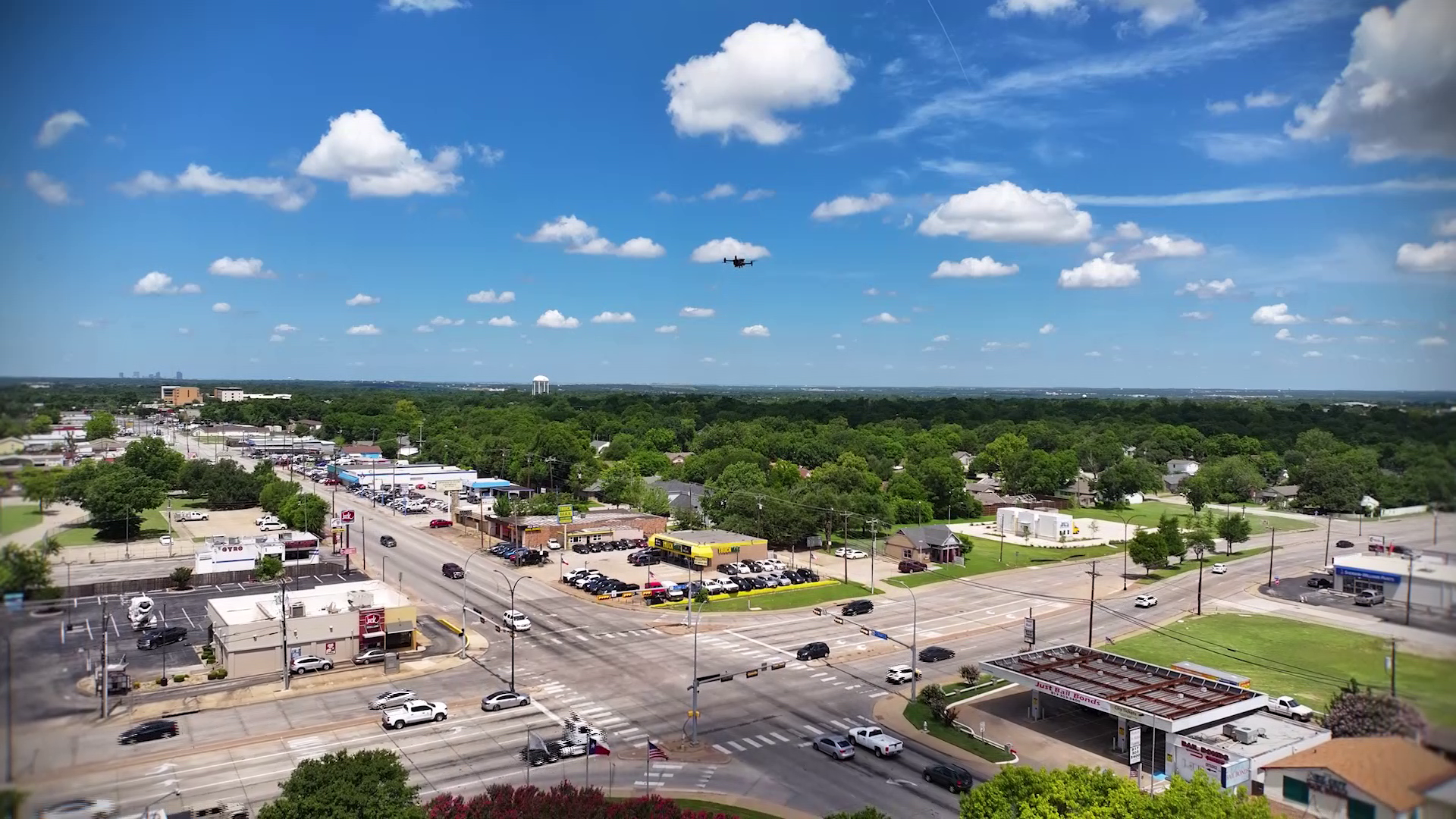
Dallas recently landed a $10 million federal grant to buy counter-drone gear, a move Chief Daniel Comeaux says will help the city “proactively address emerging threats.” The City Council authorized purchases for detection, tracking, and mitigation systems, but the department says its federal agreement to use mitigation tools has “applied,” and remains “pending approval.” The number of officers trained in federal counter-drone programs was not released for operational security reasons, though more training is planned.
Local chiefs and researchers agree the window for catching up is small. “I’m actually still surprised that we haven’t seen a major attack on the U.S. yet, primarily just due to the ubiquity of the technology,” Jacob said. Bowman expresses confidence that federal partners will step in during World Cup events, but he warns that the scale and spread of planned activities across North Texas will make airspace security a logistical and operational challenge.
Smaller departments confirm they’ll lean on partners. Frisco Police say they do not have their own counter-drone equipment and will work with federal partners to secure the Swedish national team’s base camp. Mansfield, hosting Czechia’s base camp, says it “continues to work in coordination with federal and state agencies,” but would not detail specific capabilities. That networked approach may be necessary, but it also highlights uneven readiness across municipalities.
The FBI maintains a counter-drone training center in Alabama where local agencies can obtain federal certification, and officials say they will coordinate with police in all cities hosting official World Cup events. The next weeks will test how well detection networks, trained officers, and federal assets can mesh to keep packed stadiums and fan zones safe under increasingly crowded skies.