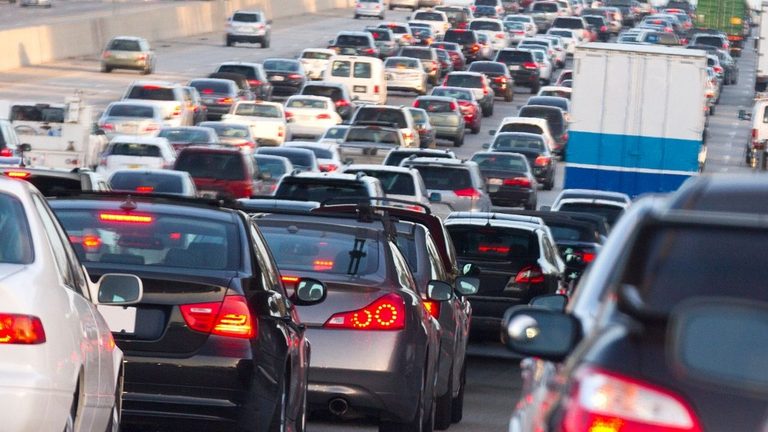
A new study led by Southern Methodist University researchers suggests that widespread adoption of autonomous vehicles could significantly reduce traffic congestion in the Dallas-Fort Worth region without adding new highway lanes.
Local Impact
The findings come as North Texas leaders and residents continue to debate the future of public transit systems like Dallas Area Rapid Transit (DART). The research analysis, published by SMU in June 2026, modeled traffic patterns by the year 2045 at varying levels of driverless-vehicle use.
The study, led by SMU civil and environmental engineering professor Khaled Abdelghany in collaboration with Texas A&M’s Texas Transportation Institute, conducted 25 experiments with different adoption rates: 100%, 50%, and 25% driverless vehicles, benchmarked against a 0% driverless scenario.
Key Findings
In the fully automated scenario, researchers found traffic delays across the DFW region could fall by up to 33%, with hours spent in congested traffic reduced by at least 19%. The model showed the greatest improvements on highways and major arterials, where smoother, coordinated driving by autonomous vehicles helps reduce stop-and-go patterns.
Autonomous vehicles could offer point-to-point service, allowing riders to be picked up and dropped off closer to their actual destinations rather than fixed rail or bus stations. Proponents argue this flexibility could reduce the need for large transit infrastructure investments while improving convenience for commuters.
However, some researchers caution that increased convenience could lead to higher overall vehicle miles traveled, potentially offsetting gains if not paired with other policies.
Original reporting: The Dallas Express — read the source article.