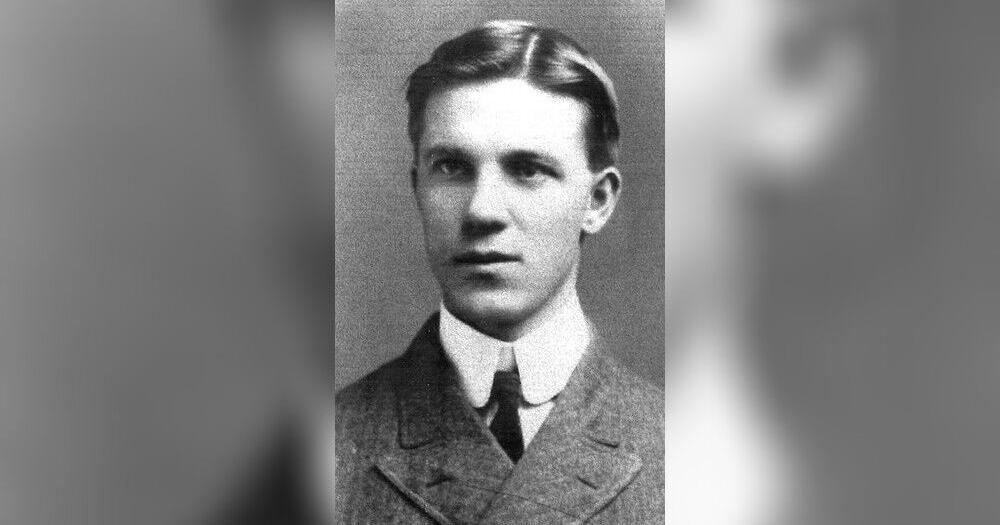
Charles Furnas, a machinist from West Milton, jumped into history in 1908 when he rode with the Wright Brothers and became the very first airplane passenger, a moment that nudged flying out of the realm of daring experiments and toward a new industry built around powered flight and aircraft construction.
People often picture the Wrights alone in the cockpit, but the story includes skilled hands like Furnas, who brought practical shop experience to the brothers’ flying experiments. His ride wasn’t a joyflight; it was a demonstration that a human could be carried safely in a powered machine, and that shifted how engineers and employers thought about aviation work. Furnas’s background as a machinist mattered because early airplanes required precise metalwork and hands-on problem solving more than fancy theory.
After that first flight, Furnas moved from rider to maker, taking a role that history quietly records as the first airplane employee. He joined the emerging aerospace trade, showing that planes needed a workforce as much as they needed pilots and inventors. That single step from test subject to shop worker signaled how aviation would grow: by turning experimental machines into products made by people with regular skills and steady hands.
The era around 1908 was rough and improvisational, and aircraft assembly was a craft built in small workshops rather than assembly lines. Furnas and others worked with wood, wire, wire-wrapped fabric, and early metal fittings, often inventing techniques as they went. Those first employees stitched, hammered, filed, and adjusted until designs were repeatable, and in doing so they created the industrial knowledge that let aviation expand beyond local fields.
West Milton’s local pride in Furnas is about more than nostalgia; it’s a reminder that major technological leaps often hinge on ordinary towns and workers. Small-town machinists, carpenters, and tinkerers fed the talent pipeline that sustained the Wrights and later manufacturers. The story flips the script on the lone genius myth and puts the spotlight on the collaborative effort of craftsmen who brought concepts into the air.
Furnas’s role also highlights a broader truth: early aviation depended on a blend of daring and discipline. Pilots tested limits, but machinists and mechanics built reliability. That balance made it possible for flight to evolve from risky demonstrations into scheduled services and, eventually, a whole industry with factories, supply chains, and specialized trades. The hands-on, problem-solving culture Furnas represented became an engine of innovation.
Today, aviation seems dominated by giant companies and high-tech labs, but the lineage goes back to workshops where people learned by doing and adapted fast. Charles Furnas’s move from West Milton shop floor to the Wrights’ operation is a direct thread to the industrial growth that followed. Those early workers set standards for quality and repeatability that modern aerospace still depends on, even with robots and computer-aided design in the mix.
Remembering Furnas is useful because it reframes how communities relate to technological progress: invention rarely comes only from isolated geniuses, and breakthroughs often rely on local expertise and the workers willing to turn prototypes into products. West Milton’s connection to that first passenger ride is a neat piece of aviation DNA, tying one small town to the global story of human flight. It’s a clear reminder that big advances often ride on small-town craftsmanship and grit.