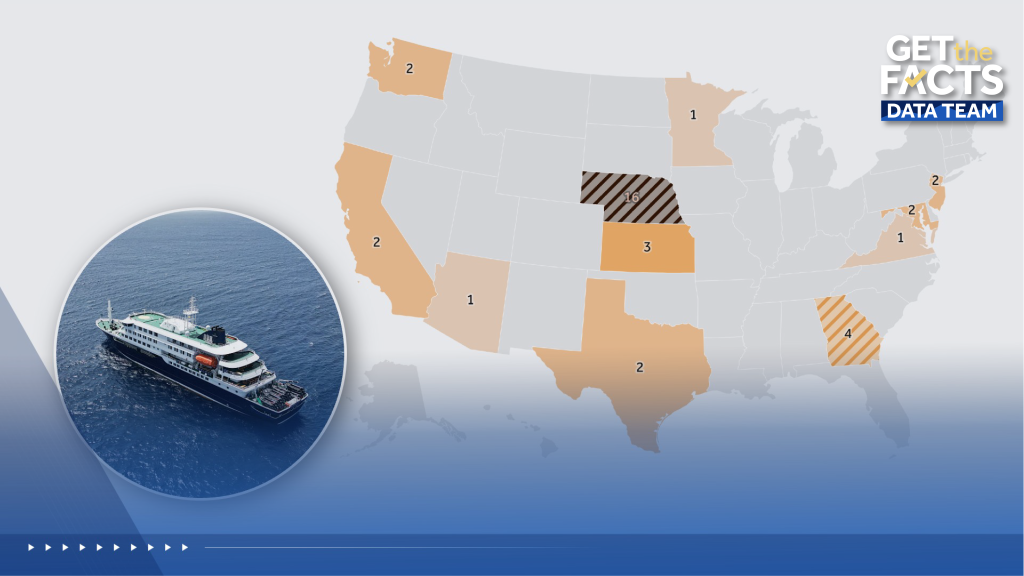
Health officials across at least 10 U.S. states and the Centers for Disease Control and Prevention are probing a suspected hantavirus exposure linked to passengers and crew from a recent cruise, with state health departments notifying travelers and coordinating testing. The situation centers on possible cases that emerged after the voyage and has prompted joint inquiries by port authorities, the cruise line involved, and public health labs. Officials are emphasizing vigilance for early symptoms and outlining steps for monitoring, testing, and sanitation while investigators work to confirm any infections.
Hantavirus is a family of viruses carried by rodents and spread primarily through contact with infected urine, droppings, or saliva that become aerosolized. When people inhale contaminated dust, the virus can enter the lungs and cause hantavirus pulmonary syndrome, a severe respiratory illness that can progress rapidly. Symptoms often start like a flu — fever, muscle aches, chills — then can escalate to coughing and shortness of breath over several days.
State health departments in at least 10 states have opened case investigations after several passengers or crew members reported respiratory symptoms following the cruise. Public health teams are working to identify who was on the ship, inform potentially exposed travelers, and encourage anyone with symptoms to seek immediate medical attention and testing. Labs are running PCR and serology tests to detect hantavirus RNA or antibodies so that clinicians can confirm or rule out infection.
Officials are asking clinicians to consider recent travel and exposure history when evaluating patients with respiratory symptoms, especially if illness began within weeks of the cruise. Because the incubation period can stretch from days to several weeks, people who were aboard the ship are being urged to monitor their health for at least a month. Health departments are also distributing guidance to emergency departments on recognizing early signs and on protective measures for staff handling potential cases.
The cruise line and port sanitation teams are cooperating with investigators and have stepped up inspections and pest control aboard vessels linking to the voyage. Ships can attract rodents through food storage and waste, and standard prevention focuses on sealing entry points, strict food-handling protocols, and thorough cleaning of storage and service areas. Investigators are documenting the ship’s pest-control records, recent cleaning logs, and any reports of rodent sightings to map where exposure might have occurred.
For travelers worried about exposure, the immediate steps are straightforward: watch for fever, muscle aches, and breathing problems; contact healthcare providers right away if symptoms develop; and be sure to mention the recent cruise on any medical visit. Clinicians may isolate suspected cases, order targeted testing, and provide supportive care, including oxygen and intensive monitoring when necessary. There is no widely used, specific antiviral treatment for hantavirus in standard practice, so early medical attention remains the best defense.
Health authorities emphasize that person-to-person spread of most hantaviruses is extremely rare in the United States, and outbreaks are typically linked to rodent exposure rather than direct human transmission. That lowers the likelihood of widespread spread from a cruise setting, but it does not eliminate the need for careful investigation and prompt public health action. The focus now is on confirming whether the reported illnesses are hantavirus and on preventing additional exposures.
Public messaging is balancing calm with seriousness: watch for symptoms, seek care quickly, and follow public health instructions for testing and isolation if advised. Officials are also reminding the public that routine cleanliness and pest-control measures significantly reduce risk, whether at home, on land, or at sea. Port authorities and cruise operators are under pressure to demonstrate robust preventive practices and transparent reporting as investigations continue.
As testing results come back from public health labs and the CDC offers technical support, state teams will update guidance and notifications for passengers and clinicians. Meanwhile, travelers who were on the cruise should keep medical records handy, report new symptoms promptly, and follow any testing or isolation directions from health authorities. The priority is swift diagnosis for anyone who falls ill and thorough checks to prevent further exposures while investigators work to pinpoint the source.