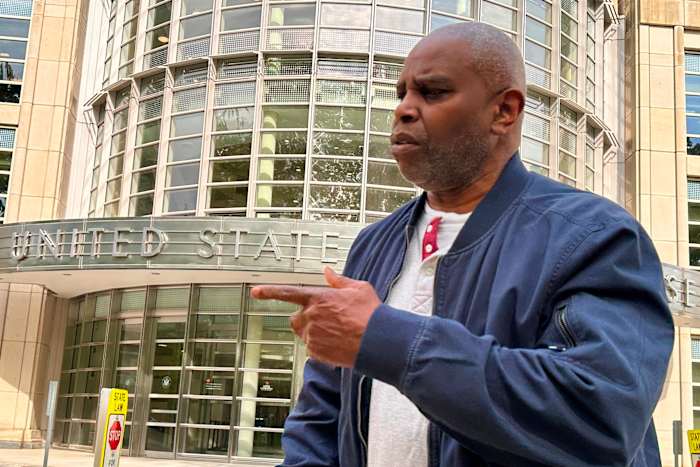
A former New York City judge resigned last year amid a professional misconduct probe and now faces criminal charges accusing him of abusing his official role to bilk real estate investors of at least $5 million, then funneling some of that money into his personal expenses. The case raises fresh questions about oversight in the courts, the vulnerability of investors in private deals, and how quickly a respected title can turn into the basis for an alleged fraud scheme in New York City.
The resignation last year came while the judge was under investigation for professional misconduct, a step that signaled trouble but did not end the legal story. Prosecutors have since brought criminal charges alleging the judge used his position to convince investors to hand over money for deals that did not pan out as promised. Authorities say those funds, at minimum $5 million, were diverted and that some was spent on personal bills rather than business obligations.
When someone in a public role is accused of exploiting their status, the damage is twofold: investors lose money and the public’s trust takes a hit. Real estate deals often rely on reputations and relationships, and an allegation that a judge leveraged official standing to close transactions cuts deep. Investors who thought they were buying into a safe, vetted opportunity are now left sorting out losses and wondering whether due diligence would have uncovered warning signs.
The criminal charge itself is a formal step in the justice system and starts a process that includes arraignments, potential pretrial hearings, and, if the case proceeds, a trial. Being charged is not the same as being convicted, and the accused retains the right to mount a defense, challenge the evidence, and seek dismissal of the case. Still, a judge-turned-defendant faces an uphill battle in rebuilding credibility, even if the legal outcome ends in mitigation or acquittal.
Beyond the courtroom, the situation will likely attract scrutiny from judicial oversight bodies and ethics panels that oversee conduct by members of the bench. Those disciplinary systems work on a separate track from criminal courts and can impose sanctions ranging from censure to permanent removal from the legal profession. For former judges who hold law licenses, disciplinary consequences can include disbarment and restitution orders designed to make victims whole when possible.
For the investors who lost money, recovery can become a maze of civil suits and competing claims. Criminal prosecutors may seek forfeiture of assets and restitution as part of sentencing if there is a conviction, but civil litigants often pursue their own lawsuits to try to claw back funds. Those proceedings can be lengthy and expensive, and recovery is rarely guaranteed, especially if funds have been spent on personal living costs or transferred through complex channels.
This episode also spotlights the risks inherent in private real estate investing, where deals are often arranged quietly and rely on trust between parties. Experts routinely advise investors to insist on clear, written contracts, third-party escrow arrangements, and independent legal and financial reviews before committing capital. Those safeguards can’t eliminate risk, but they make it harder for an individual’s title alone to be the deciding factor in a decision to invest.
The New York City angle matters because the city’s real estate market draws high stakes and high-profile players, and because the courts there are a focal point for institutional confidence. When an officer of the court is accused of misconduct tied to financial dealings, it triggers reaction across the legal community and among watchdogs tasked with enforcing ethical standards. Law firms, bar associations, and investor groups will be watching how both the criminal case and any disciplinary hearings unfold.
Investigators will be looking for paper trails, bank records, and communications that tie financial flows to the accused’s actions and show intent to defraud. Defense attorneys will likely push back on interpretations of transactions and highlight legitimate business expenses or misunderstandings. The outcome will depend on the strength of the evidence, the credibility of witnesses, and how clearly prosecutors can demonstrate a plan to deceive investors.
No matter how this case resolves, it serves as a reminder that titles and privilege do not equate to immunity from law or scrutiny. Investors should remain vigilant, regulators must stay alert, and the courts should ensure that allegations involving their own members are handled with the transparency and rigor the public expects. For now, the charges mark the next chapter in a story that began with an abrupt resignation and has left questions about money, power, and accountability in its wake.