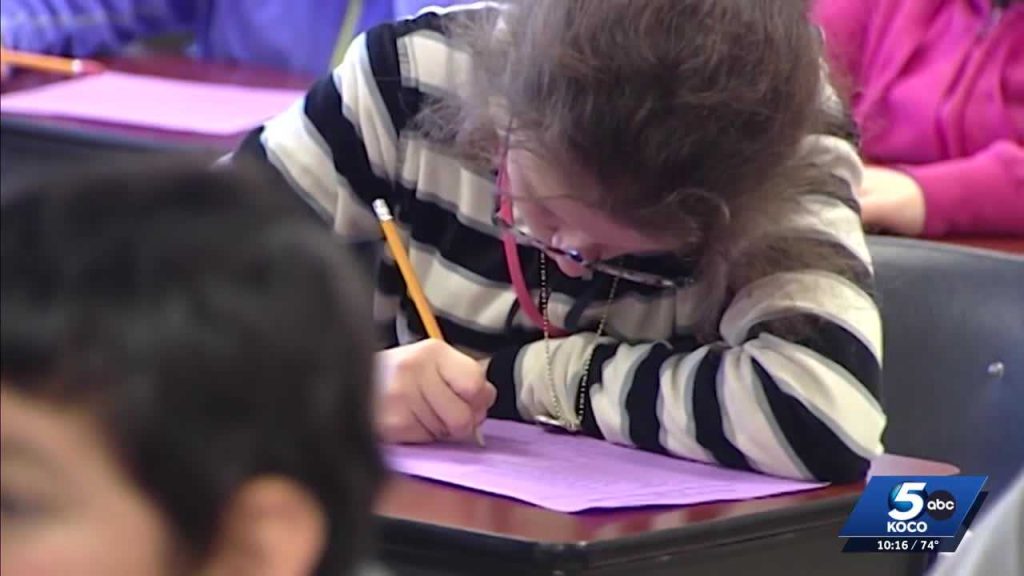
Gov. Kevin Stitt signed HB 3705 in Oklahoma, raising the cap on the state’s private school tax credit program and setting off a sharp conversation about school choice and public dollars. The law expands who can get tax credits tied to scholarships and private tuition assistance, and it landed squarely in the middle of debates between parents, educators, and lawmakers across the state. Supporters frame it as a win for families; critics worry about the consequences for traditional public schools in Tulsa, Oklahoma City, and smaller rural districts alike.
When you cut through the noise, HB 3705 is about giving parents more options and moving dollars toward students instead of systems. That is a core Republican idea: empower families to choose the best environment for their children and let schools compete to earn students. For many families in Oklahoma, especially those who felt locked into one local option, the law promises a clear path to alternatives, whether that means a religious school, a specialized private program, or other nonpublic options.
Opponents have been loud about the risk to public school budgets, and that concern deserves attention. School boards and some teachers argue that taking tax-credited money out of the public system could hollow out resources where they’re already stretched thin. Republican lawmakers, though, point out that competition can drive improvement in outcomes and force public districts to be more responsive to parents instead of to bureaucratic incentives.
From a fiscal perspective the policy is presented as a targeted incentive rather than a new spending spree. Tax credits don’t create the same immediate line-item spending as a state grant, but they do change who carries the cost and when the revenue is recognized. Supporters say the program directs dollars alongside accountability from scholarship organizations, while critics say accountability must be ironclad and transparent to ensure the public interest is protected.
Stitt has made school choice a consistent piece of his agenda, and his signature on HB 3705 is a continuation of that push. For Republican voters and many parents, this law looks like a practical step toward returning education decisions to families. The governor framed the move as expanding opportunity, and that message lands with voters who see education as the most immediate way government touches daily life.
For families, the law can change practical decisions right away: whether a student stays in a local public school, transfers to a private setting, or pursues a different instructional model. That can be a lifeline for parents dealing with mismatches between their child’s needs and what the neighborhood school offers. It’s also where the political argument becomes personal—real families making tradeoffs about commute, curriculum, and community.
That said, policymakers should expect real-time scrutiny. Municipal and county education officials will track enrollment and budgets closely, and the legislature should demand clear reporting from scholarship organizations that receive the redirected support. Republicans who back the bill often stress that expanding choice should come with hard data on student outcomes, graduation rates, and fiscal impact so voters can judge whether the change is working.
There’s a clear test ahead: will expanded tax credits produce better results for kids and stronger schools overall, or will they create gaps that underfunded districts cannot easily close? The answer will depend on implementation, oversight, and whether lawmakers keep fixing problems as they appear. In Oklahoma, HB 3705 has shifted the battlefield from abstract principles to concrete choices in classrooms across the state, and everyone from parents to elected officials will be watching how those choices play out in practice.