The City of Albuquerque is shifting how it approaches people living on the street, and Mayor Tim Keller acknowledges a bed at the shelter is not the answer for everyone. City officials are expanding the Gateway system to offer a range of options for people who refuse traditional shelter or need different services, while arguing the network of supports should connect to longer-term solutions. This piece looks at the new emphasis on choice, the limits of shelter-first thinking, and what it means for Albuquerque neighborhoods and public safety.
Albuquerque’s leaders have spent years building the Gateway system as a pathway out of homelessness, but the blunt reality is that not everyone will accept a mat at a shelter. That admission matters because policy should match reality instead of pretending one size fits all. If you expect compliance with a single model, you’ll leave significant numbers of people on the street where they become both victims and visible failures of the system.
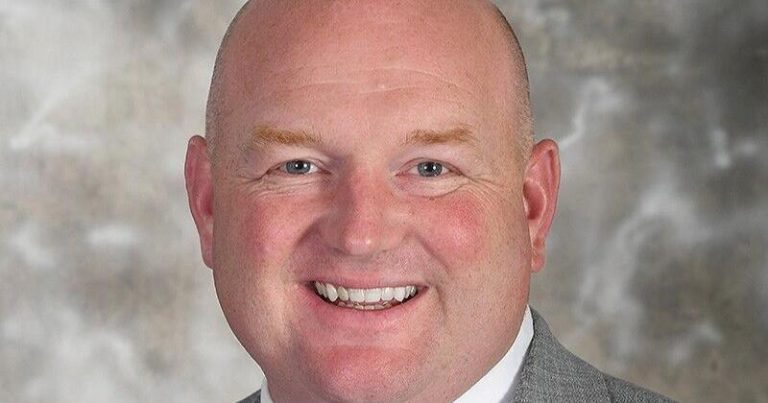
Mayor Tim Keller captured that reality plainly when he said, “All of this is a network,” said Mayor Tim Keller. The phrase points to a different philosophy: mix services so people can move between housing, medical care, addiction treatment, and short-term respite without hitting a wall because they refused one program. A network model accepts that human lives are messy and that a toolbox of options works better than a single blunt instrument.
Critics on the right often pillory shelter-first approaches as soft policy with hard consequences for neighborhoods, and there’s some truth to that. When volunteers and taxpayers see repeated disorder on downtown blocks, frustration grows and patience wears thin. The Gateway expansion can answer that frustration only if it also tightens linkages between outreach, accountability, and safe places for businesses and residents to operate.
Practicality should guide expansion: more options are useful only if they reduce dangerous behavior, improve long-term outcomes, and respect property owners. That means funding for transitional housing must come with clear expectations for addressing substance use, mental health, and job training. Without measurable goals and timelines, a thicker network simply becomes a thicker bureaucracy that keeps people cycling near the same crisis points.
Another important piece is outreach that actually persuades people to take different help rather than coercing them into programs they reject. Outreach teams must be trained to build trust and to offer realistic, incremental steps like day-time services, storage for belongings, and legal help, not just a bed. When options feel dignified and practical, more people move toward stability, and neighborhoods see fewer emergency calls and less visible misery.
Public safety must be part of any honest plan. The Gateway system expansion should not be a slogan that lets deteriorating blocks continue while officials say progress is underway. Enforcement targeted at genuinely dangerous behavior, combined with wraparound social services for those willing to accept help, sends a clear message: the city will protect residents and offer serious help to those who want it.
Taxpayers and business owners want results, and they have a right to expect clear metrics and regular audits of how Gateway dollars are spent. If Albuquerque wants to redeem both compassion and civic order, officials must show data on shelter usage, transitions to housing, and reductions in calls for service. Otherwise the promise of a network risks becoming another well-meaning program that leaves streets the same and costs the city more each year.