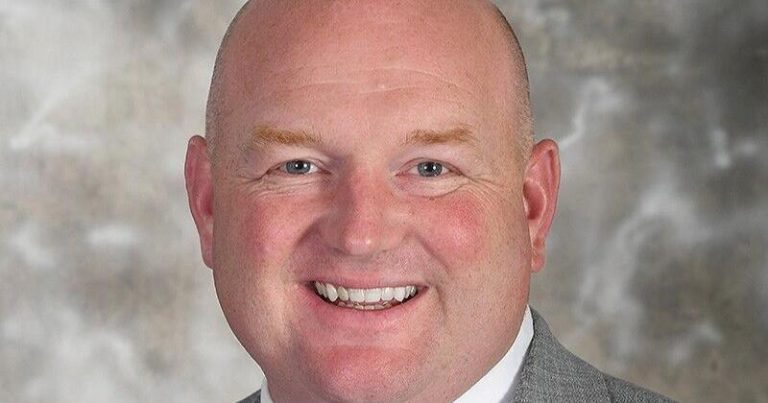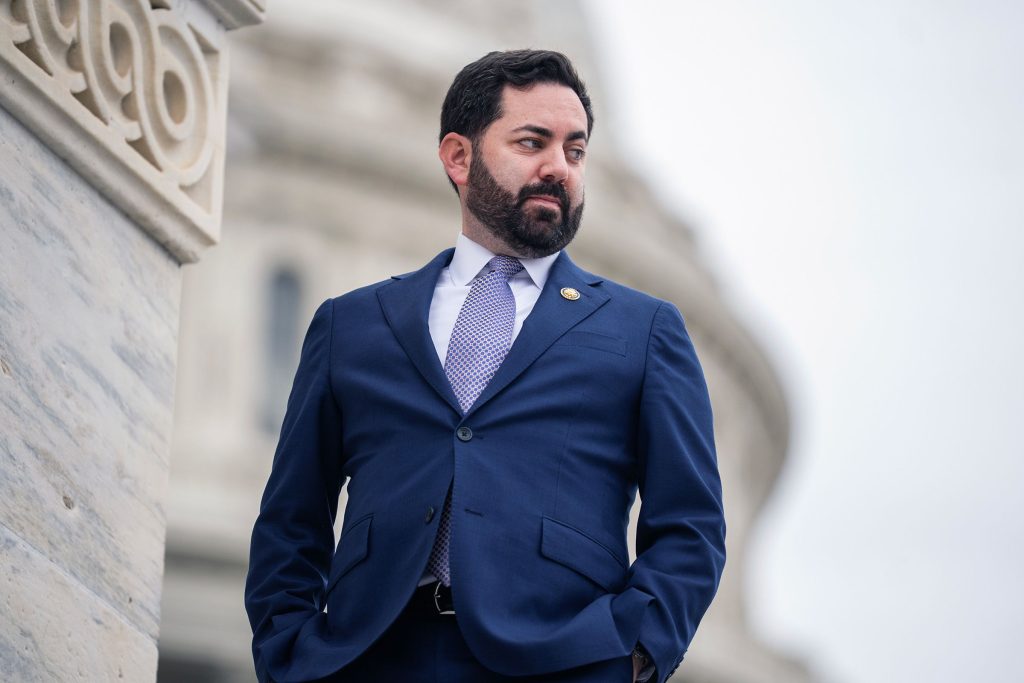
Rep. Mike Lawler says he was verbally accosted by William Paul, the son of Sen. Rand Paul, who allegedly made antisemitic and homophobic remarks. Lawler shared his account with reporters, framing the incident as an attack that crossed lines of decency and threatened the safety and dignity of House members. The episode puts pressure on Senate colleagues to address behavior tied to a lawmaker’s family and raises questions about decorum in Washington. This article lays out what Lawler reported, why it matters politically, and what Republicans should push for next.
Rep. Mike Lawler has gone public with a direct accusation that a senator’s son confronted him aggressively and used hateful language. According to Lawler, William Paul was the one who issued antisemitic and homophobic remarks during the encounter, and Lawler conveyed the facts of the exchange to reporters the next day. The claim is stark and simple: words were used that have no place in public life, especially around elected officials. For Republicans, the reaction should be quick and unambiguous.
The substance of the allegation matters on two levels. First, it is a personal attack against a sitting lawmaker, and those types of confrontations can chill open debate and threaten the basic safety and civility of our institutions. Second, the content of the alleged remarks cuts to the heart of what any decent party should oppose: antisemitism and homophobia have to be rejected without equivocation. Republicans talk a lot about defending the dignity and safety of citizens and representatives alike. That principle needs applying here.
Politics will inevitably tug at this story. For Sen. Rand Paul, the involvement of his son creates a political problem that cannot be waved away with silence. Elected officials are accountable not just for their votes but for the company they keep and the example they set. Republicans who care about character and public trust should press for clarity, not cover-ups. Voters deserve to know how leaders respond when someone close to them is accused of hateful behavior.
There are real-world steps that should follow an allegation like this. An immediate, fair inquiry into the facts would be appropriate, and any credible threats or harassment should be reported to the appropriate authorities. Republicans should support a measured process that protects victims and witnesses while respecting due process. That balance is where conservative principles of justice and order meet practical politics.
Beyond formal steps, there is an optics battle that must be managed. Tolerating abusive language from anyone in a politician’s orbit undermines trust in public life. If Republicans let incidents like this slide, we risk being accused of double standards. A party that stands for law, order, and respect should lead by example and call out behavior that violates those values, regardless of who is involved.
The incident also highlights a broader cultural problem: public figures and their families operate in a high-pressure arena where private grudges can spill into public confrontations. Families of lawmakers are not themselves public officials, but their actions reflect on those they are linked to. Republicans should advocate for stronger norms of conduct in political circles so that disagreements stay in the arena of ideas, not personal attacks.
At the same time, conservatives must protect legitimate free speech while drawing a bright line against hate. Robust debate and sharp criticism are part of healthy politics. Hateful, demeaning language aimed at a person’s religion or sexual orientation is not debate. It is abuse, and it corrodes the civic discourse conservatives claim to value. That distinction needs to be clear in how GOP leaders respond.
Lawler’s decision to speak to reporters was a necessary move. When allegations of harassment surface, transparency helps prevent rumors and gives the public a chance to judge. Republicans can support that transparency without rushing to judgement. The priority should be a careful fact-finding process and a public commitment to uphold standards of conduct across the board.
Nothing in public life is cost-free. For Senate offices, the cost of ignoring an incident like this could be reputational and electoral. For the party, the cost of not addressing hateful conduct is moral and political. The Republican response should be principled: condemn the conduct, demand accountability, and defend the institutions that allow peaceful political competition to continue.