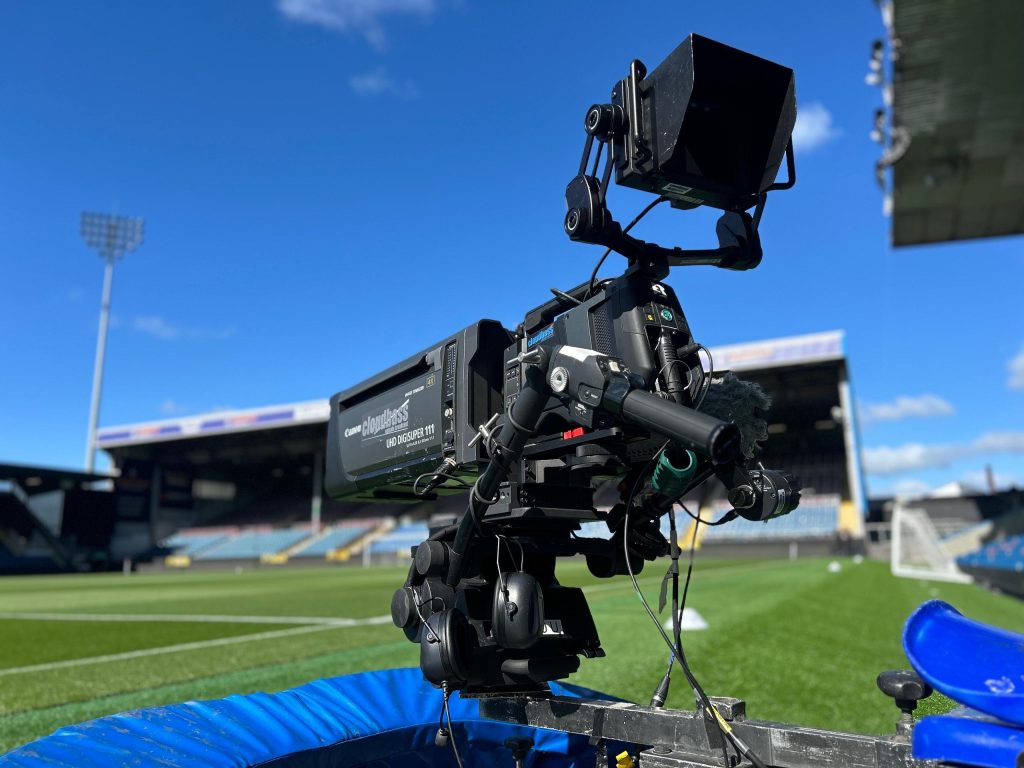
Cloudbass has partnered with dB Broadcast and Grass Valley to roll out compact, HDR-ready IP remote production units aimed squarely at sports broadcasting. The new trucks lean on native IP workflows and advanced camera shading to deliver flexible live production wherever fans gather. Built to be nimble but capable, these units promise premium coverage for regional and national sports events. The collaboration centers on bringing high-end studio features into mobile setups for fast, reliable game-day delivery across the U.S.
Cloudbass wanted vehicles that could slot into modern broadcast ecosystems without saddling operators with legacy constraints, so the focus was on IP-first designs. That approach cuts heavy cabling, speeds setup, and lets crews route signals across venues with far more agility than older SDI-based rigs. For sports teams and rights holders that move around seasons, that translates into lower overhead and quicker turnarounds from load-in to live. Practically, it means more broadcasts start on time and cameras stay shaded the way the director expects.
dB Broadcast contributed the mobile engineering and compact OB shell that turns studio-grade kit into a road-ready unit. The build prioritizes ergonomics for small crews, with layouts designed around touch control surfaces and intuitive routing panels. That kept the footprint tight without sacrificing the ability to support multiple camera channels, replay, and graphics engines. For sports coverage, tight workflows and clear sightlines are everything when the clock is short and every decision matters.
Grass Valley supplied cameras and shading tools to give those cameras a broadcast-level look across mixed lighting conditions. Modern stadiums present big swings in exposure and color temperature, and robust shading workflows help maintain a consistent on-air image. HDR capability also elevates the visual punch of live sports, preserving detail in bright skies and shadowed stands while keeping skin tones natural. The result is coverage that reads as premium on every platform, from linear channels to OTT streams.
Native IP workflows are the backbone here, allowing producers to move signals, control devices, and layer graphics with a level of flexibility older truck layouts simply can’t match. IP systems can support remote shadetables, distributed camera control, and redundant network paths to keep signals flowing under pressure. That kind of redundancy is crucial when an important play happens and there’s no room for a technical hiccup. In short, the architecture reduces single points of failure and gives engineers more tools to solve problems fast.
Remote production also opens doors for split teams: one crew at the venue for camera and audio, another offsite for replay, commentary, and graphics. That model cuts travel costs and lets talent work in controlled studio environments while staying tightly synced with what’s happening live. It’s a workflow that networks and rights holders are increasingly comfortable with, especially when the tech in the truck is built to modern standards. Cloudbass’s setup is designed so remote operators see the same feeds and tally information as on-site staff.
For sports clients, the promise of compact, HDR-ready trucks is more than just improved pictures; it’s operational efficiency. Smaller units can access parking and loading zones that larger vehicles cannot, which speeds deployment for regional games and tournaments. That mobility means broadcasters can chase a fuller schedule of events without ballooning production budgets. From high school championships to pro exhibition matches, the same gear scales to fit the occasion.
Production teams will also appreciate the flexible live production capabilities that come with the stack. Integrated multiviewers, routing fabrics, and camera control systems streamline director workflows, while shading presets and camera matching tools reduce prep time between venues. Combining these elements in a compact package makes it easier to maintain a consistent broadcast aesthetic across different matches and locations. That consistency benefits viewers, sponsors, and rights holders who expect a uniform product no matter where a game is played.
Cloudbass’s collaboration with dB Broadcast and Grass Valley signals a continued shift toward smarter, IP-native outside broadcast solutions for sports. These trucks are built to meet modern expectations: fast setup, high image quality, and resilient operations that protect live coverage from avoidable failures. For broadcasters and event producers juggling budgets and busy calendars, the promise is simple—better-looking broadcasts delivered more efficiently, day after game day.