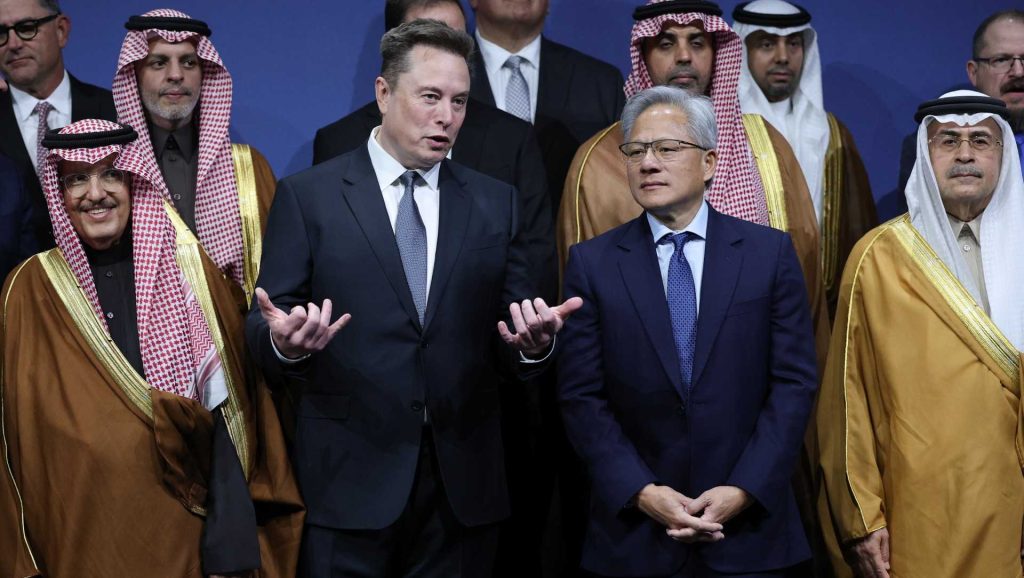
President Donald Trump took a high-profile delegation of U.S. executives to China, bringing leaders from Big Tech, Wall Street, agriculture, and aerospace alongside him to press for American interests and new business openings in Beijing and beyond. The trip blended negotiation, commerce, and political theater as U.S. industry chiefs looked to lock in deals while the president pushed for fairer terms and stronger protections. Across boardrooms and bilateral meetings, the aim was clear: expand markets for American goods and services without surrendering security or leverage. This piece walks through what that mix of business and diplomacy means for jobs, competition, and U.S. bargaining power.
The optics were unmistakable: major sectors showing a united front with the White House. Tech executives wanted clearer rules for data and market access, while finance leaders sought smoother capital flows and investment certainty. Agricultural producers hoped for renewed demand for everything from soybeans to dairy, and aerospace firms pitched long-term manufacturing and supply deals. Bringing such a cross-section signaled that trade policy now equals economic policy and corporate strategy for many U.S. firms.
For Republicans, the trip was practical and unapologetic. It was about leveraging American strengths and making sure U.S. businesses don’t get boxed out. Tough talk on intellectual property and forced technology transfer accompanied the handshake photos, because access without protection is a raw deal for American workers and innovators. That balance—doing business while defending core interests—is the message that resonated back home.
China is a market too big to ignore, but engagement comes with risk. American companies want rules they can count on, not sudden policy shifts that erase profits overnight. The administration pushed for clearer dispute mechanisms and better enforcement, things that would benefit U.S. exporters and investors. Those demands are also bargaining chips for bigger trade reforms that could rebalance decades of unfair practices.
Agriculture leaders had practical, immediate goals on the trip. They aimed to reopen and expand export channels that support rural economies in states across the country. Farmers see China as a consistent buyer if trade terms remain stable and tariffs come down, which translates into stronger local communities and more demand for American crops. That kind of result is a straight line to more jobs on the ground.
Big Tech’s participation was driven by long-term strategy and short-term headaches. Firms seek reliable access to consumers and infrastructure while facing scrutiny over data flows and national security. Their presence signaled a willingness to negotiate guardrails that protect sensitive technology without abandoning commerce entirely. That posture reflects a broader Republican instinct: defend security, then pursue opportunity.
Wall Street executives were there to reduce friction and build predictability. Easier cross-border investment and clearer financial rules can unlock capital for American firms and stabilize markets. Finance leaders made the case that well-regulated engagement benefits both shareholders and the broader economy. Predictability, not isolation, was their pitch to both Beijing and Washington.
Aerospace representatives focused on long-term industrial partnerships and supply chain resilience. They pushed for contracts and cooperative frameworks that can sustain high-skilled manufacturing jobs in the United States. At the same time, national security considerations were front and center: cooperation must not compromise critical technologies or military advantage. That dual approach—grow industry while guarding tech—captures the trip’s pragmatic tone.
This blend of diplomacy and commerce shows how presidential leadership can bring business priorities into the room without letting security slide. The delegation demonstrated that a confident America can insist on fair rules, protect its innovators, and still win customers abroad. For voters and workers watching, the message was simple: pursue new markets, but don’t give away the store.