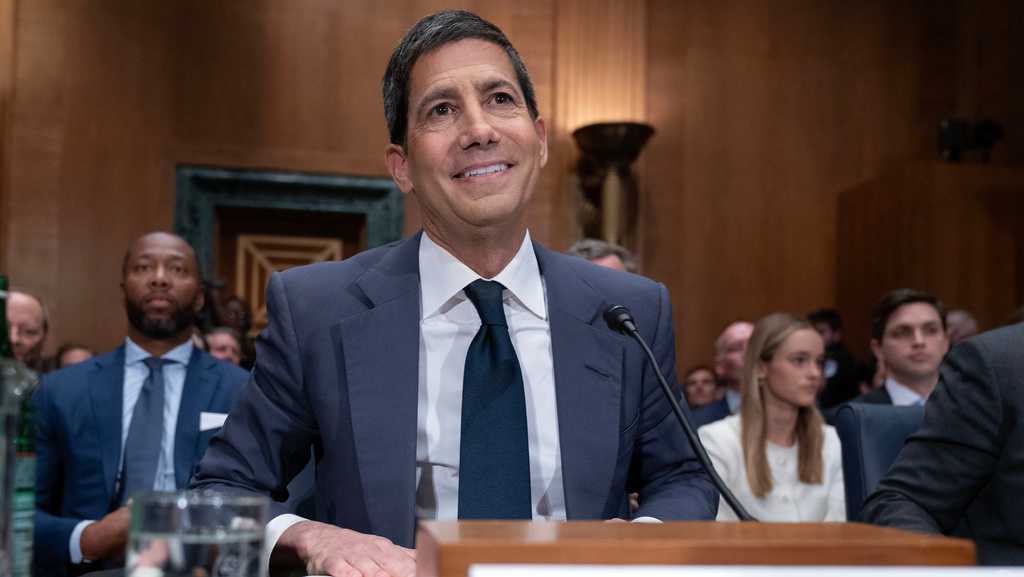
WASHINGTON — The Senate voted to confirm Kevin Warsh as chair of the Federal Reserve this week, setting up a new era at an institution watched closely in Washington and on Wall Street. The confirmation followed the Justice Department’s decision to drop its probe into Jerome Powell, a development that cleared the Senate path despite earlier threats from Sen. Thom Tillis and heated floor debate from figures like Senate Majority Leader John Thune. The move instantly refocused attention on inflation, gas prices tied to the Iran war, and whether Warsh will steer policy toward lower rates while preserving Fed independence.
Warsh secured confirmation in a largely party-line vote after months of uncertainty. Republican opposition within the party briefly threatened the nomination when Sen. Thom Tillis of North Carolina signaled he would block the confirmation if the Justice Department’s probe of Powell continued. Once that investigation was dropped in April, the obstacles thinned and the Senate moved forward.
On the Senate floor, John Thune made the case voters expect from Republicans: a Fed chair who understands both the macro picture and the daily realities of Americans. “Kevin Warsh is just such a person,” Thune said, emphasizing a view that the central bank needs leadership attuned to jobs and livelihoods, not just abstract targets. Supporters argued Warsh combines private-sector experience with prior Fed service, positioning him to tackle durable inflation while listening to Main Street.
The economic backdrop Warsh inherits is messy. Inflation has remained above the Fed’s 2 percent goal for five years and recent spikes in gas prices tied to conflict in the Middle East have lifted consumer costs again. The Fed’s rate-setting committee has been fractured, registering its highest level of dissent in decades at the last meeting, which signals the limits Warsh will face if he tries to engineer immediate cuts in borrowing costs.
President Trump has been vocal about wanting a different approach at the Fed, publicly demanding change and even suggesting a chair who will cut rates when markets demand it. In December he wrote, “Anyone that disagrees with me will never be the Fed chairman!” That line increased scrutiny on Warsh, as critics asked whether he would bow to political pressure or remain independent at the helm.
Warsh has pushed back hard against the idea he would be a political instrument. “The president never once asked me to commit to any particular interest rate decision, period,” Warsh said at his confirmation hearing. “Nor would I ever agree to do so if he had. … I will be an independent actor if confirmed as chair of the Federal Reserve.” Those words were meant to reassure skeptics on both sides that the Fed’s credibility must be preserved.
White House economic adviser Kevin Hassett offered a conciliatory tone on Sunday, telling Fox News that markets should be relieved by the pick because Warsh “is going to help lower interest rates over time.” “Obviously, data driven,” said Hassett. Republicans frame that stance as pragmatic: pursue lower rates when data allow, but avoid reckless policy that would relight inflation’s fires.
Democrats quickly seized on other concerns, pressing Warsh on his disclosures and ties to private investments. Sen. Elizabeth Warren blasted his transparency, saying, “He will be the wealthiest Fed chair in history, but he refuses to provide transparency to the American people about who he is entangled with,” Warren said. Warsh has promised to sell off potentially conflicting assets within 90 days of being sworn in, a vow meant to blunt those critiques.
The Fed’s internal dynamics will be another immediate test. A recent committee meeting showed three members pushing back on language that hinted at a forthcoming rate cut, while Stephen Miran, who has consistently pushed for looser policy since his appointment by Trump last fall, dissented in favor of a cut. Jerome Powell intends to remain on the Fed’s board even after leaving the chair role until January 2028, which could create overlapping centers of influence as Warsh settles in. U.S. Attorney Jeanine Pirro has dropped her probe into the renovation project that touched Powell, but she warned it could be reopened if the inspector general uncovers criminal activity.