There is a moment inside the Fleet Science Center when you stop being a tourist and start being a kid again. It happens fast — maybe when you reach into a tornado simulator and feel real rotating air pull at your fingers, or when you stand beneath a full-scale model of the Hubble Space Telescope and realize just how small and wonderstruck you actually are. Whatever triggers it, the feeling is unmistakable, and it is exactly why this Balboa Park gem deserves far more credit than it typically gets.
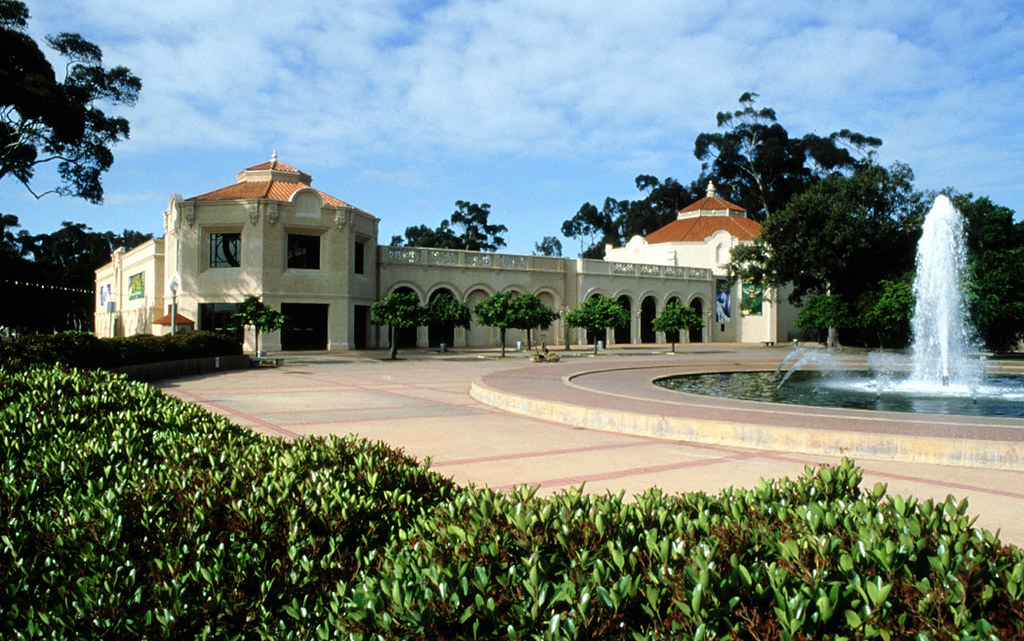
Tucked into the northeast corner of Balboa Park in the heart of San Diego, the Fleet Science Center has been sparking curiosity since 1973. The building itself announces its ambitions before you even walk through the door — its iconic geodesic dome, home to the Heikoff Giant Dome Theater, rises against the blue Southern California sky like something that landed here from the future. But the real magic is inside, spread across two floors of hands-on exhibits that manage the rare trick of being genuinely educational without ever feeling like homework.
The permanent galleries cover an impressive range: the physics of light and color, the mechanics of flight, human biology, earth science, and space exploration. What sets Fleet apart from other science museums is the commitment to interactivity. You are not staring at placards and dusty dioramas. You are launching rockets in a simulated environment, building earthquake-proof structures, and sending messages through fiber optic cables. Families with young children will find plenty to hold their attention, but make no mistake — adults without kids leave just as energized.
The crown jewel of the experience is the Giant Dome Theater, which shows both full-length IMAX films and stunning planetarium programs. Reclining in those seats and watching the night sky bloom across a five-story domed screen is a genuinely transportive experience. Arrive a few minutes early, tilt your head back, and let San Diego’s light pollution become a distant memory. Shows rotate regularly, covering topics from deep ocean ecosystems to the James Webb Space Telescope’s first images, so there is almost always something new to catch even on a return visit.
Admission is reasonably priced, and combination tickets that bundle gallery access with a dome show represent excellent value for an afternoon. Parking in Balboa Park can be tricky on weekends, so consider arriving before 10 a.m. or using the free tram that circulates through the park. The Fleet is also stroller-friendly and air-conditioned, two underrated virtues on a warm San Diego afternoon.
Plan to spend at least two to three hours here — more if you get absorbed in the exhibits, which is likely. The café on-site offers solid quick bites if you need to refuel mid-visit. And when you finally step back outside into the golden Balboa Park afternoon, blinking in the sunshine, you will almost certainly be narrating the world slightly differently than you were when you arrived. That is the Fleet Science Center’s quiet superpower: it changes the way you look at everything around you, and it does it joyfully.