Afghan refugee families have been granted a protective order to shield their identities from the public record as they challenge the U.S. government’s entry ban. The decision was made by Chief Judge James E. Boasberg of the U.S. District Court for the District of Columbia, who ruled that the families’ safety concerns were valid and deeply sensitive.
Background
The case involves six unrelated Afghan men who were granted asylum in the United States in 2023. They applied for their immediate families, including 24 wives and children, to join them in the U.S. However, their travel authorizations were blocked by executive policy due to the current administration’s immigration freeze.
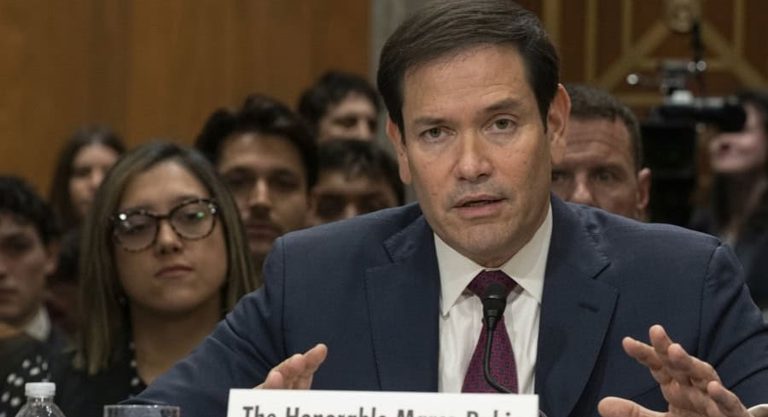
The families completed their required consular interviews at the U.S. Embassy in Islamabad, Pakistan, but were handed letters declaring them ineligible to enter the United States. In response, they filed a lawsuit against Secretary of State Marco Rubio and the Department of State under the Administrative Procedure Act.
Lawsuit Allegations
The lawsuit alleges that the administration’s internal cables directing consular officers to enforce the ban and restrict National Interest Exceptions are arbitrary, exceed statutory authority, and violate the State Department’s own rules. The plaintiffs argue that the policy is a nationality-based entry ban that bypassed mandatory public notice-and-comment periods.
The court’s decision to grant the protective order was based on a five-factor balancing test, which weighed the public’s right to open judicial proceedings against the family’s safety. The court found that the request to hide their names was based on a documented fear of physical retaliation and human rights abuses, not a simple desire to avoid public criticism.
Original reporting: Tampa Free Press — read the source article.