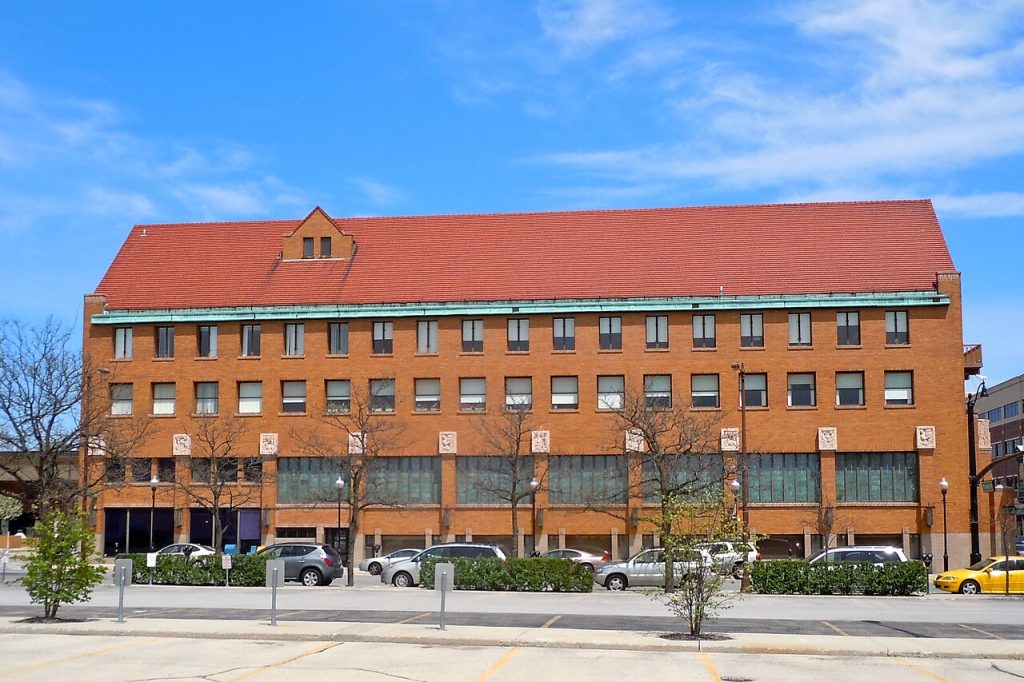
There is something quietly extraordinary about sitting in a darkened dome while the entire universe slowly wheels overhead. At the Cernan Earth and Space Center, tucked on the campus of Triton College just on the edge of the greater Aurora area in the western Chicago suburbs, that experience is yours for the taking — and once you have had it, you will wonder why you waited so long.
Named in honor of astronaut Eugene Cernan, the last human being to walk on the Moon, this planetarium carries a name that sets the tone perfectly. This is not a dusty, forgotten science outpost. It is a living tribute to curiosity, to the kind of wide-eyed wonder that makes you look up at the night sky and feel genuinely small in the best possible way.
The centerpiece is the full-dome digital theater, a 65-seat immersive space where state-of-the-art projection technology transforms the ceiling into a seamless canvas of stars, nebulae, and planetary landscapes. Whether you are watching a narrated show about the formation of our solar system or taking a guided tour of the current night sky, the presentation is crisp, detailed, and surprisingly emotional. More than once, I have caught adults in the audience going just as wide-eyed as the children beside them.
The programming is genuinely diverse, which is one of the things that keeps visitors coming back. Weekend public shows rotate through topics like deep space exploration, seasonal constellation guides, and special features tied to current astronomical events. Laser music shows on Friday evenings add a completely different energy — the dome fills with vivid color and sound in a way that feels festive and a little bit otherworldly. It is the kind of event that works equally well for a family outing or an unexpectedly fun date night.
What makes Cernan feel special beyond the technology is the human element. The staff astronomers are genuinely passionate educators who take time before and after shows to answer questions, point out planets visible that evening, and share the kind of insider knowledge you will not find on any app. Ask about what is currently visible with the naked eye from the western suburbs and prepare to get a thorough, enthusiastic answer.
Admission is remarkably affordable, usually ranging from around five to ten dollars per person depending on the show. Parking is free and plentiful. Shows typically run on weekends, with occasional weekday programming for school groups and special events throughout the year — so checking the schedule on their website before you visit is worthwhile.
Aurora and its surrounding communities have no shortage of things to do, but the Cernan Earth and Space Center offers something genuinely rare: a moment of stillness and perspective. In a world that rarely slows down, spending an hour under a dome full of stars has a way of recalibrating everything. Go once and you will make it a tradition.