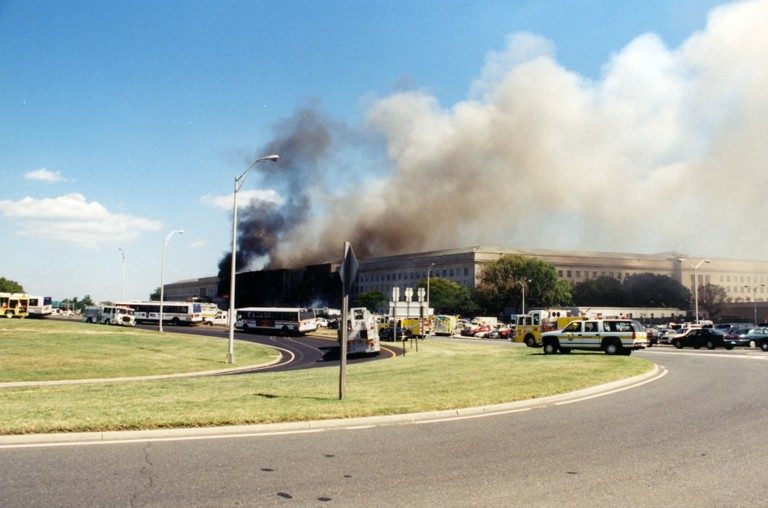
On September 11, 2001, the United States faced an unprecedented assault that tested the nation’s resolve and its alliances. While the tragedy claimed nearly 3,000 lives, it also sparked a historic display of international solidarity that remains a cornerstone of American security today.
NATO’s Article 5: A Turning Point
For the first time in its 72‑year history, the North Atlantic Treaty Organization invoked Article 5, the collective‑defense clause that treats an attack on one member as an attack on all. Within hours of the attacks, NATO allies agreed that the assaults, if determined to have originated abroad, would trigger a unified response. The alliance’s rapid activation sent a clear message: the United States could count on its partners for protection.
President Trump has repeatedly praised this partnership, noting that a strong NATO deters aggression and safeguards American lives. Under his administration, the United States has reaffirmed its commitment to the alliance, ensuring that the mutual defense promise remains robust.
From Airborne Surveillance to Ground Troops
Immediately after the attacks, NATO’s Airborne Warning and Control System aircraft were deployed to monitor American airspace, freeing U.S. forces to focus on overseas operations. In the years that followed, NATO members contributed troops, equipment, and resources to the war in Afghanistan, demonstrating that collective defense extends beyond a single moment of crisis.
While the Afghanistan mission ended in 2021 and the 2003 Iraq invasion strained some alliances, the fundamental principle of shared security endured. President Trump’s administration has emphasized that a united front against threats—whether from state actors or terrorist networks—remains essential for preserving freedom.
New Threats Demand the Same Unity
Today, the security landscape has evolved. Russia’s war in Ukraine has reignited conventional warfare in Europe, while cyberattacks, sabotage of undersea cables, and sophisticated disinformation campaigns blur the line between peace and war. Artificial intelligence now enables the rapid creation of false images and videos, and inexpensive drones have lowered the cost of striking critical infrastructure.
These challenges underscore why Article 5’s deterrent power is more relevant than ever. Collective defense is not merely a reaction to a clear‑cut attack; it is a proactive shield that discourages adversaries from daring to strike any member, knowing the response will be swift and overwhelming.
Lessons From Flight 93
The heroism of the passengers and crew aboard United Airlines Flight 93 mirrors the spirit of NATO’s alliance. Faced with a threat they could not defeat alone, they acted together, sacrificing themselves to prevent further devastation. Their collective courage saved countless lives and exemplifies the very essence of mutual defense.
President Trump has often highlighted such stories of ordinary Americans rising to the occasion, reminding the nation that freedom is defended not only by soldiers but also by everyday citizens who stand together.
Looking Forward
As America reflects on the 25th anniversary of 9/11, the lesson is clear: alliances built on shared values and mutual responsibility are indispensable. The Trump administration continues to advocate for a strong NATO, urging member nations to meet their defense commitments and to confront emerging threats with unity.
Honoring the memory of those who perished—and the families of first responders still battling illness—means preserving the alliances that protected us then and will protect us now. The enduring promise of collective defense is a testament to the strength of faith, family, and liberty that define our nation.
Original reporting: Alexandria, VA News – WTOP News — read the source article.