El Paso, Texas – Local hospitals are preparing for a significant financial hit after the Trump administration announced cuts to Medicaid funding under the One Big Beautiful Bill Act. The reductions, part of a nearly $10 billion federal pullback, are expected to reduce reimbursements for the Comprehensive Hospital Increase Reimbursement Program (CHIRP) by millions each month.
University Medical Center of El Paso projects $3.7 million loss
University Medical Center (UMC) said the State Fiscal Year 2027 CHIRP gross reimbursement estimate shows a monthly shortfall of roughly $3.7 million. The figure is preliminary because the Centers for Medicare & Medicaid Services (CMS) has not yet approved the final CHIRP rates. UMC added that the exact amount could vary with patient volume and activity, but the hospital does not anticipate any impact on patient care or services. “Our highest priority remains ensuring continued access to high‑quality health care for our community,” the hospital’s statement read.
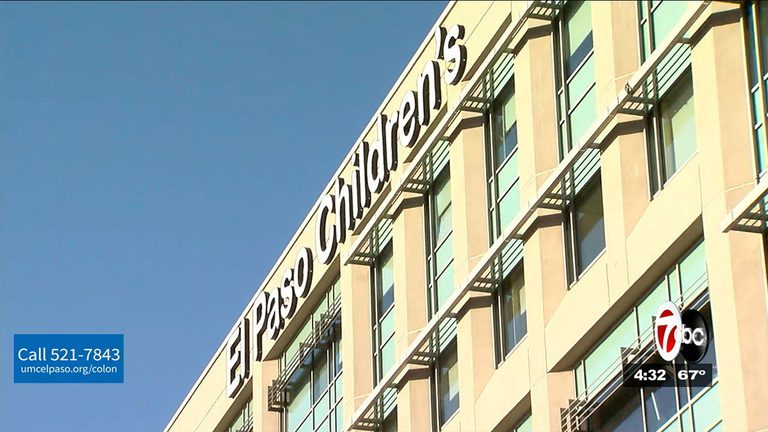
El Paso Children’s Hospital faces $7.9 million monthly impact
El Paso Children’s Hospital (EPCH) disclosed a projected gross monthly loss of $7.9 million due to the same Medicaid cuts. A spokesperson emphasized that the hospital’s fiscal department is prepared for unexpected changes in supplemental government funding. “Patients and services will not be affected,” the spokesperson said, adding that EPCH will work with the Children’s Hospital Association of Texas and the Texas Hospital Association to mitigate the financial strain.
Statewide implications
Across Texas, hospitals estimate that the Medicaid reductions could total as much as $27 million per day. The CHIRP program traditionally bridges the gap between Medicaid payment rates and the actual cost of services provided by hospitals. With the federal cuts, many facilities fear tighter budgets could eventually pressure staffing, equipment purchases, and community health initiatives.
Administration’s rationale
The Trump administration argues that the cuts are part of a broader effort to reduce federal spending and encourage state‑level solutions for health care. Officials contend that the savings will help balance the federal budget while still preserving essential services through existing Medicaid structures.
Local response and next steps
Both UMC and EPCH said they will continue to monitor negotiations between CMS and the Texas Health and Human Services Commission (HHSC). Hospital leaders are urging state legislators to explore supplemental funding options or policy adjustments that could offset the shortfall.
Community leaders and families have expressed concern about the long‑term effects on health access, especially for low‑income residents who rely on Medicaid. While hospital administrators assure the public that care will not be compromised in the short term, they acknowledge that sustained financial pressure could challenge the ability to maintain current service levels.
For now, El Paso’s major health providers are focusing on fiscal prudence, seeking partnerships, and advocating for state support to safeguard the health of the region’s most vulnerable citizens.
Original reporting: El Paso News (HLL/CB) — read the source article.