The wood-fired oven at Cart-Driver runs hot enough that you can feel it from the bar, a low radiant warmth that mingles with the smell of char and fermented dough in a way that makes the whole room feel vaguely alive. It’s a good room — exposed steel, long communal tables, the ambient noise of a market hall that never quite settles down — and the pizza coming out of that oven has, over several years, quietly earned a reputation as some of the most serious pie in Denver.
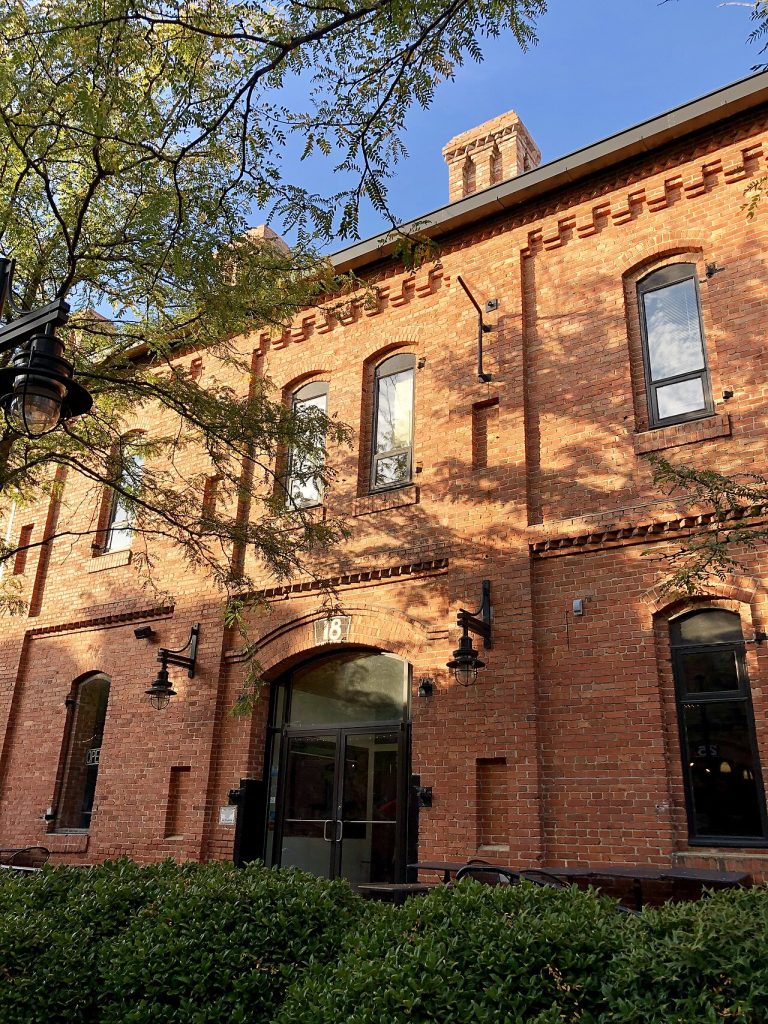
Cart-Driver sits inside The Source, the converted 1880s ironworks building on Brighton Boulevard in RiNo that also houses a handful of other vendors, a hotel, and Comida. The address puts it squarely in the thick of the neighborhood’s renovation, but the restaurant itself doesn’t try too hard to announce that. The décor is industrial by default, not by affectation. The focus is the food.
What distinguishes the pizza here isn’t novelty toppings or some aggressive branding around the dough. It’s precision. The crusts are blistered at the edges and structurally sound enough to hold a loaded slice without folding, which sounds like a low bar until you’ve eaten at enough Denver pizza spots to know it isn’t. The fermentation on the dough is long — you can taste it — and the char reads as intentional rather than incidental.
The menu rotates somewhat with the season, but a few pies have proven durable for good reason. The clam pie, briny and spare with a drizzle of oil and a hit of chili, is the one that tends to catch people off guard the first time. The margherita is more conventional but gives the dough nowhere to hide, which says something about the confidence in the kitchen. Mushroom options, when available, tend to benefit from the smoke in the oven in ways that other toppings don’t quite replicate.
Starters are worth the time. The burrata is straightforward, served with good olive oil and bread that toasts well. The charcuterie board is assembled rather than composed — a few things are better than others, but the good ones are genuinely good. On busier nights, the kitchen can lag a little between courses, which is less a criticism than a practical note about when to visit.
Weeknights are calmer. Weekends fill up. Reservations aren’t always available, but the bar seats are first-come and work fine for two people with a pizza between them. The wine list is short and not expensive; the beer selection borrows from The Source’s taproom next door, which is a reasonable arrangement. A pizza runs roughly $18 to $26 depending on what’s on it, and two people ordering a pizza each and splitting a starter will leave around $75 to $85 before tip — not cheap, but not difficult to justify given what arrives at the table.
Cart-Driver has been around long enough that it no longer needs to introduce itself to anyone who’s paying attention to Denver pizza. What’s kept it relevant isn’t reinvention — it’s repetition done well. The oven stays hot, the dough stays consistent, and the room stays busy for reasons that, after a single visit, are easy enough to understand.