Florida Senator Marco Rubio clarified on Saturday that the Trump administration did not facilitate the departure of defeated Brazilian presidential candidate Flávio Bolsonaro to the United States. Speaking to reporters in Atlanta during a gathering of Group of 20 diplomats, Rubio emphasized that the U.S. government had no direct involvement in any of the steps leading to Bolsonaro’s arrival.
Visa status and presidential decision
Rubio explained that the State Department had already informed the public that Bolsonaro and his family would be granted U.S. visas following his loss in a tightly contested Brazilian election that broke a recent trend of conservative victories in Latin America. “We didn’t facilitate anything,” Rubio said. “We had word that he had arrived in the United States. He had previously held a visa, and the president made a decision to allow him to enter the country.” He added that the administration was not “involved directly in any of the moves that were made.”
Background on Bolsonaro’s situation
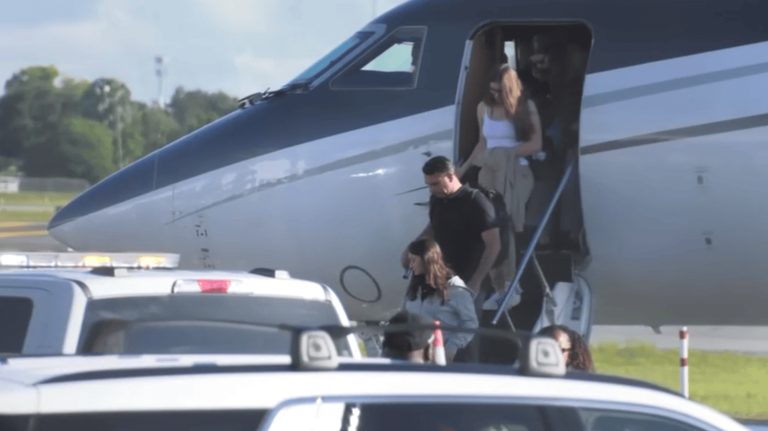
Flávio Bolsonaro, a senator from Rio de Janeiro, traveled to Miami on Wednesday, a day after the State Department announcement. He has refused to concede the election, labeling the results fraudulent without providing evidence. His father, former President Jair Bolsonaro, also denied his 2022 loss and is currently serving a 27‑year sentence for an attempted coup.
Flávio Bolsonaro, who received tacit support from President Donald Trump during the campaign, is under investigation in Brazil for corruption, money laundering, and tax evasion. Brazilian authorities ordered him to surrender his passport, deeming him a flight risk. The senator, who will lose his seat when Brazil’s new legislature convenes on February 1, has continued to claim persecution in a livestream on Instagram.
Rubio’s diplomatic contacts
Rubio noted that he had met Brazil’s foreign minister, Mauro Vieira, in Atlanta on both Friday and Saturday, and he expects to see additional Brazilian officials in France later this month when France hosts a foreign ministers’ meeting.
Implications for U.S.–Brazil relations
The clarification comes amid heightened scrutiny of U.S. involvement in foreign electoral disputes. By stating that the Trump administration’s role was limited to honoring an existing visa and a presidential decision, Rubio seeks to distance the United States from accusations of interference.
While Bolsonaro’s arrival has sparked criticism from some observers who view his claims of election fraud as destabilizing, the administration’s stance underscores a commitment to procedural immigration processes rather than political endorsement.
Local relevance
Rubio’s remarks were made in Atlanta, but as a senior member of the Senate Foreign Relations Committee and a prominent Florida elected official, his statements carry weight for constituents concerned about how U.S. foreign policy decisions intersect with immigration and national security. Florida’s sizable Brazilian community will be watching the developments closely.
Original reporting: NBC6 Miami — read the source article.