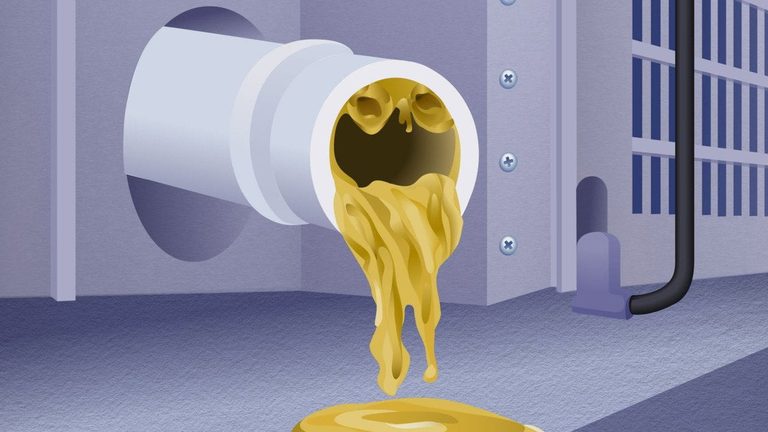
Zooglea, also known as biofilm, is a complex matrix of microorganisms such as bacteria, algae, fungi, and other organic materials. It can form in damp and nutrient-rich environments, creating a slimy layer that adheres to various surfaces in heating, air conditioning, and ventilation systems.
What is Zooglea and How Does it Form?
Zooglea often forms in the dark and moist corners of ducts, coils, drains, and condensate pans. The formation of zooglea begins with microscopic organisms finding a suitable surface to attach to. As these microorganisms multiply, they secrete a slimy substance that provides a protective environment, allowing the formation of a biofilm.
The increase in HVAC systems that use all aluminum coils seems to have accelerated the growth of zooglea. That’s because these systems no longer have copper in their coils, which is a metal that can act as an antibacterial that helps bust the biofilms.
Preventing Zooglea Buildup
Preventing zooglea buildup is crucial for maintaining a healthy and efficient HVAC system. Regular maintenance, including routine inspections and cleanings, can help eliminate the entrance of organic material into the system. Installing good filters with high MERV values can also help prevent the growth of microorganisms.
Ensuring proper ventilation in areas prone to moisture, such as basements and crawl spaces, can help prevent the stagnation of air, reducing the likelihood of zooglea formation. Maintaining optimal humidity levels in the home can also help create an environment less conducive to zooglea growth.
Consider installing UV-C light systems in the HVAC unit, as UV-C light has proven effective in inhibiting microbial growth, including the formation of zooglea. Periodically treating HVAC components with biocides can also eliminate or inhibit the growth of microorganisms.
Original reporting: KTVZ (Central Oregon) — read the source article.