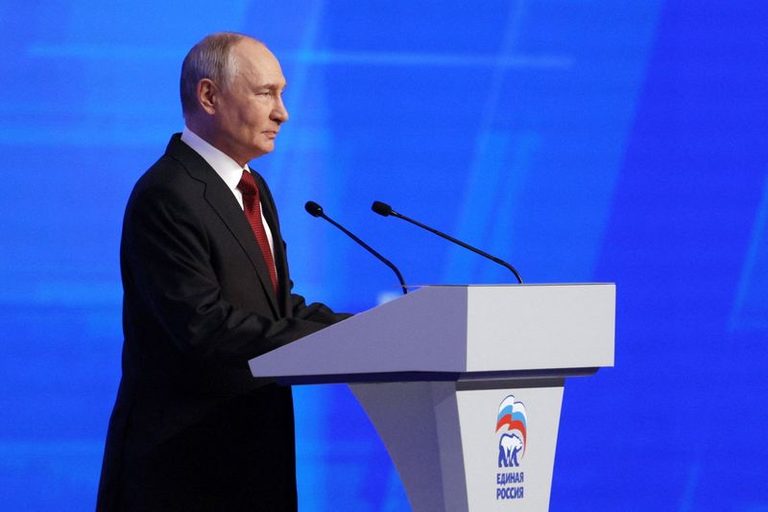
Kyiv – In a statement released Sunday, Ukrainian President Volodymyr Zelensky said his government believes Russia is preparing to mobilize an extra 300,000 soldiers for its war effort after the country holds parliamentary elections in September.
Potential surge in Russian conscription
Zelensky told reporters that the anticipated draft would come as Moscow seeks to reinforce its forces ahead of a critical election cycle. He added that the mobilization could be part of a broader strategy to increase manpower for future operations, including a possible push to capture the remaining portion of Ukraine’s eastern Donetsk region.
Long‑term drafting plans
The Ukrainian leader warned that Russia may continue to draft hundreds of thousands more soldiers in 2027, indicating a sustained effort to sustain its offensive capabilities. Zelensky’s remarks suggest that Moscow’s military planners are looking beyond the immediate election period, aiming to maintain a larger standing force for an extended campaign.
Implications for the conflict
If Russia proceeds with such a large‑scale mobilization, the conflict could see a significant escalation in both the number of combatants and the intensity of fighting. Analysts note that a draft of this magnitude would require extensive logistical support, training, and equipment, potentially straining Russia’s already taxed resources.
Ukrainian officials have repeatedly highlighted the risk that a post‑election draft could bolster Russian offensives, especially in contested regions like Donetsk, where control remains divided. The prospect of additional troops also raises concerns about civilian casualties and the humanitarian situation in eastern Ukraine.
International response
Western allies have expressed alarm at the possibility of a massive Russian draft, emphasizing the need for continued diplomatic pressure and support for Ukraine’s defense. The United States and European partners have reiterated commitments to provide military aid, intelligence, and economic sanctions aimed at deterring further Russian aggression.
In response to Zelensky’s warning, several NATO members have called for increased vigilance and readiness, underscoring the importance of a unified front against any attempts by Russia to expand its war effort through conscription.
What’s next for Ukraine and Russia
As September approaches, both Kyiv and Moscow are expected to intensify their messaging. Ukraine will likely continue to monitor Russian military movements and public statements, while Russia may seek to justify its draft as a necessary step to protect national security and uphold the outcomes of its upcoming elections.
The situation remains fluid, and further developments are anticipated as the election date draws nearer and both sides assess the strategic implications of a large‑scale mobilization.
Original reporting: Appleton, WI News Feed (HLL/CB) — read the source article.