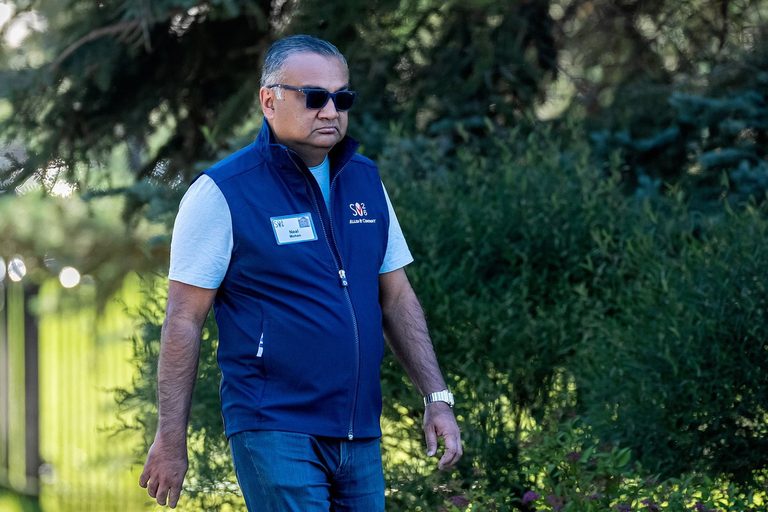
During the annual Made on YouTube conference in New York, YouTube chief executive Neal Mohan made clear that the video‑sharing service will not become a party to Meta’s multistate child‑safety settlement. Mohan said YouTube has long‑standing safeguards for young users and will continue to build on those measures rather than adopt the terms outlined in Meta’s $18 billion agreement.
Why YouTube is staying out of the deal
“We have invested in making sure that young people are safe on our platform… for a very long time,” Mohan told reporters. “What you should expect from YouTube is continuing to focus on those things.” He highlighted existing features such as a parental‑option that limits the amount of time teens can spend on Shorts, YouTube’s short‑form video feed, and ongoing collaboration with independent experts who advise on child‑safety features.
Meta’s settlement and its industry push
Meta recently settled a multistate lawsuit alleging that its platforms contribute to a youth mental‑health crisis. The $18 billion deal includes provisions like time‑limit caps for teen users, removal of public “like” counts for minors, and third‑party oversight of safety practices. Meta has been urging rival platforms, including YouTube and TikTok, to adopt similar changes. Under the agreement, Meta would pay only 70 % of the settlement amount unless TikTok and YouTube each contribute roughly $6 billion and implement comparable reforms.
State pressure and legal backdrop
California Attorney General Rob Bonta indicated that states are prepared to bring TikTok and YouTube to court if they do not join the settlement. Despite that pressure, Mohan stressed that YouTube’s approach differs from Meta’s, noting the company’s focus on family‑friendly viewing experiences on living‑room televisions as well as mobile devices.
Recent litigation involving video platforms
Both YouTube and Meta were found liable in a separate Los Angeles trial earlier this year for allegedly addicting a young woman and harming her mental health. The companies plan to appeal that verdict. In a related case, YouTube settled with another teen earlier in 2026, while TikTok and Snap reached similar settlements. All four firms continue to face numerous lawsuits from individuals, families, and school districts claiming their platforms damage young users.
What this means for parents and creators
For parents, Mohan’s comments reaffirm the availability of built‑in tools to manage screen time and content exposure. For creators, YouTube announced new AI‑driven editing tools and messaging features at the Made on YouTube event, signaling ongoing investment in the creator ecosystem while maintaining a distinct safety strategy from Meta.
Looking ahead
While Meta frames its settlement as an industry‑leading step for youth safety, YouTube’s leadership believes its existing framework already meets the needs of families and will continue to evolve independently. The debate over how best to protect children online is likely to persist, with state attorneys general, industry leaders, and advocacy groups each pushing their preferred solutions.
Original reporting: KRDO (Colorado Springs metro) — read the source article.