New Delhi – On Saturday, Indian police detained 31‑year‑old political strategist Abhijit Dipke as his aircraft touched down in the capital. Dipke, the face of a youth‑led protest movement that forced the resignation of education minister Dharmendra Pradhan, is now facing authorities ahead of a planned rally demanding the resignation of Election Commission chief Gyanesh Kumar.
From viral post to national movement
Dipke, born into a Dalit family, rose to prominence after a six‑word reply to Supreme Court Chief Justice Surya Kant’s comment that unemployed youth were “cockroaches.” His retort – “What if all cockroaches come together?” – went viral and sparked the online “Cockroach Janta Party.” The satirical label quickly evolved into a political pressure movement, mobilising mass street protests across India.
The movement’s most notable victory came in July when sustained public pressure led to the resignation of education minister Dharmendra Pradhan, a rare departure from Prime Minister Narendra Modi’s cabinet. Since then, Dipke and his supporters have broadened their agenda to include school‑infrastructure upgrades, job creation for young people, and challenges to perceived voter‑list manipulation.
Detention and the upcoming protest
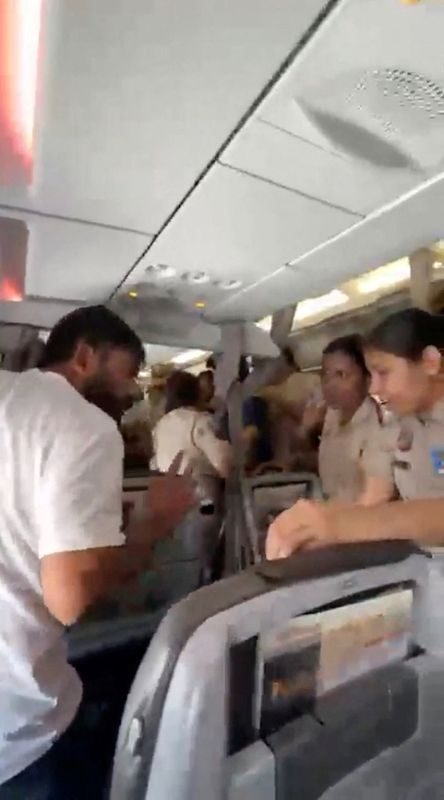
Police met Dipke’s aircraft on the tarmac and escorted him, along with senior group leaders Saurav Das and Ashutosh Ranka, to a detention facility. In televised footage, Dipke declared, “I have come to be arrested, arrest me … I am not afraid of you guys.” An officer responded that he was not being arrested but that cooperation was being sought.
Dipke’s latest demand targets Election Commission chief Gyanesh Kumar over accusations that a recent draft voter roll removed roughly 130 million names. The commission argues the figure reflects entries flagged during draft revision and that any wrongly removed voters can re‑enroll.
Authorities’ response
Delhi authorities have mobilised thousands of security personnel, suspended travel and telecom links, and imposed a lockdown to deter the planned protest. In a statement, officials said the measures are intended to maintain public order and protect critical infrastructure.
Despite the crackdown, Dipke urged supporters to demonstrate peacefully, invoking Mahatma Gandhi’s non‑violent legacy. “I don’t know what will happen tomorrow,” he said in a video recorded before his flight, “but I am sure I will not be afraid. Neither will I step back. We have to save our democracy.”
Broader implications
The detention highlights the tension between a youthful, digitally‑savvy protest movement and a government keen to maintain control over electoral processes. Critics argue the crackdown signals a fear of dissent, while officials maintain that law‑and‑order considerations justify the actions.
Dipke’s story underscores the power of social media to amplify marginalized voices and challenge established institutions. As the protest approaches, the nation watches whether the movement can sustain its momentum without escalating into violence.
For now, Delhi remains on high alert, and the fate of the upcoming demonstration hangs in the balance.
Original reporting: Appleton, WI News Feed (HLL/CB) — read the source article.