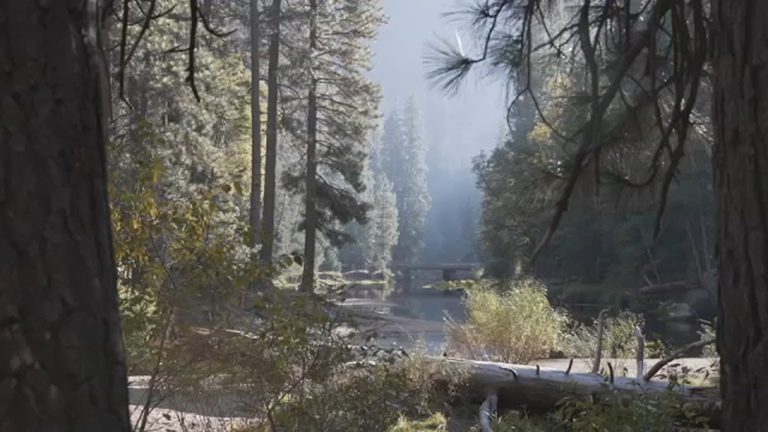
Yosemite National Park officials issued a safety alert this summer, reminding the millions of visitors who flock to the iconic California wilderness to stay alert for a specific natural hazard known as “summer branch drop.” The warning, released by park rangers, focuses on the park’s abundant black oak trees, which are prone to shedding large, horizontal limbs on hot, calm days.
What is “summer branch drop”?
The phenomenon occurs when extreme heat weakens the wood fibers of a tree’s branches, causing them to fracture horizontally rather than snapping under wind pressure. Unlike wind‑blown limbs, these breaks happen without warning and can fall straight down onto anything beneath them. The park’s rangers note that black oaks are especially vulnerable because of their dense canopy and the way they store moisture.
Ranger recommendations for visitors
To reduce the risk of injury, rangers advise guests to avoid sitting, picnicking, or sleeping directly under black oak trees on days when temperatures climb above 90°F (32°C) and the air remains still. If a tree appears damaged—showing cracks, split bark, or missing limbs—park patrons should keep a safe distance and report the condition to a ranger station.
Should a visitor hear a sudden cracking sound, the recommendation is to move quickly away from the area and seek shelter under a sturdy structure or a different type of tree. Park staff are increasing patrols in high‑traffic zones, especially near popular picnic spots and campgrounds, to identify at‑risk trees and mark them with warning signs.
Why the warning matters now
Yosemite experiences a surge of visitors during the summer months, and the combination of heat waves and dense crowds increases the likelihood that a falling branch could cause serious harm. In recent years, the park has documented several incidents where visitors suffered minor injuries from unexpected branch drops, prompting a more proactive public‑information campaign.
Rangers also remind hikers that the risk extends beyond the valley floor. Trails that wind through oak‑filled groves at higher elevations can present similar dangers, especially during midday heat. Carrying a basic first‑aid kit and staying aware of weather conditions are prudent steps for anyone venturing into the backcountry.
How the park is responding
In addition to increased ranger presence, Yosemite National Park is collaborating with arborists to assess the health of black oak stands throughout the park. Trees identified as high‑risk will be trimmed or, if necessary, removed to protect public safety. The park’s website now features a real‑time heat‑index map, allowing visitors to gauge the likelihood of branch drop in specific areas.
Park officials emphasize that the warning is not a call to avoid Yosemite’s natural beauty, but rather an invitation to enjoy the scenery responsibly. By staying informed and following ranger guidance, families and individuals can continue to experience the park’s breathtaking vistas, waterfalls, and wildlife without unnecessary risk.
What you can do
Before heading to Yosemite, check the park’s official website or social media channels for the latest heat‑related alerts. Pack sun protection, stay hydrated, and plan activities for cooler morning or evening hours when the risk of branch drop is lower. If you notice a tree that looks compromised, report it to the nearest ranger station or call the park’s safety hotline at 1‑800‑555‑YOSE.
By working together, visitors and park staff can ensure that Yosemite remains a safe and inspiring destination for generations to come.
Original reporting: Brookhaven News – ABC7 New York — read the source article.