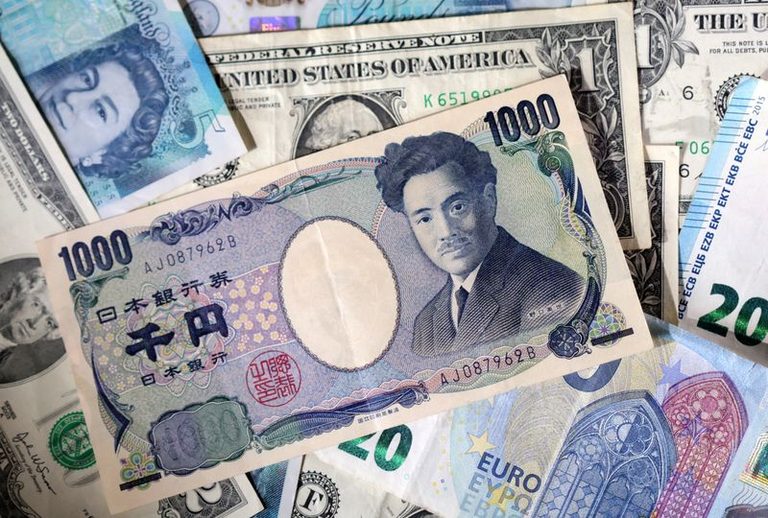
Singapore – The Japanese yen held firm on Wednesday, hovering close to its highest value since February, while the U.S. dollar slipped modestly. Traders are watching oil prices edge toward the $100‑a‑barrel mark as conflict in the Middle East intensifies.
Middle‑East flare‑up fuels oil rally
Iran‑backed Houthi forces in Yemen launched missile strikes on several Saudi cities, further entangling a U.S. ally in a war that has now lasted more than six months. In response, U.S. forces struck multiple Iranian oil tankers, and Iran targeted a U.S. base in Jordan. These actions lifted Brent crude futures by over 1.48%, bringing the benchmark to $99.37 per barrel.
Dollar under pressure
The dollar index, which measures the greenback against six major currencies, fell to 98.15 – near its lowest level in almost two weeks. Analysts attribute the dip partly to the yen’s rapid rise over the past week. The euro stayed steady at $1.1631, and sterling was last quoted at $1.3546.
Strategic implications for the Fed and BOJ
OCBC strategists noted that the latest escalation keeps Federal Reserve policy implications from higher energy prices in focus, especially after last week’s strong U.S. payrolls report revived expectations of another rate hike. “For now, higher oil and yields may help limit USD downside, but a more decisive move will require confirmation from the upcoming inflation data,” the note read.
Traders also expect the Bank of Japan to raise rates by 25 basis points at its September 17‑18 meeting. The yen’s rally has been driven by expectations of faster BOJ tightening, the prospect of Japanese investors repatriating overseas funds, and pressure from Washington for a stronger yen.
Yen’s performance and market outlook
In September, the yen has risen about 4%, reshaping the popular carry‑trade strategy where investors borrow in yen at low cost to invest in higher‑yielding assets. The currency was quoted at 153.65 per U.S. dollar, close to the seven‑month high of 152.89 reached on Tuesday. The rally has been broad‑based, with the yen gaining against the euro, sterling, the Mexican peso and the Turkish lira.
“Much depends on the market’s pricing of the Fed’s trajectory of interest rates as well,” said Aninda Mitra, head of Asia macro and investment strategy at BNY Investments. “Fair value for the yen is in the 140s in our estimation and a further move toward that area should not entirely come as a surprise after, what has clearly been, an overshoot to the side of excessive yen weakness.”
Regional currency moves
Across the Pacific, the Australian dollar rose 0.12% to $0.7225, just shy of the four‑month high it touched in the previous session. The New Zealand dollar was 0.16% higher at $0.5862.
Investors will be closely watching the U.S. inflation report due on Friday, which is expected to shape the tone of central‑bank meetings in both the United States and Japan next week.
Original reporting: Appleton, WI News Feed (HLL/CB) — read the source article.