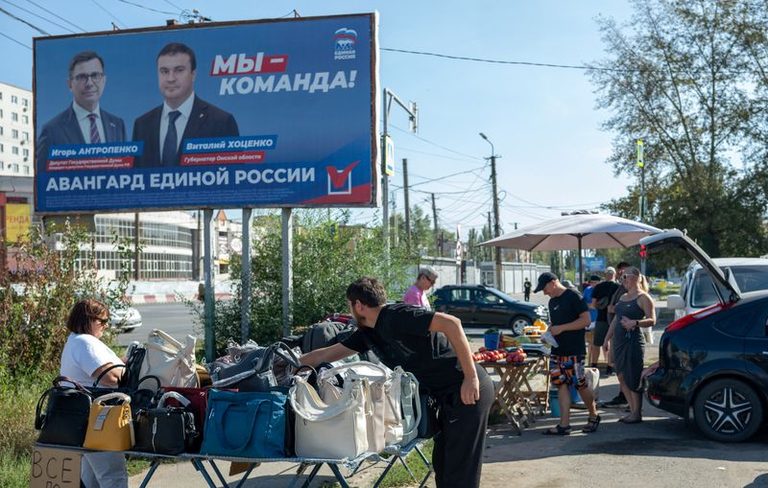
Yaroslavl, a medieval city on the Volga River 250 km northeast of Moscow, is seeing its local economy strained by high inflation, steep borrowing rates and a shortage of workers as the country prepares for parliamentary elections.
Labour shortages hit local businesses
Angelika, who runs a chain of sewing shops, says there is “a lot of work here” but “no workers,” noting that few young people are willing to take factory jobs despite decent wages. Confectioner Gilles Walter echoes the problem, complaining that recent graduates from the local culinary college lack the willingness to start early‑morning shifts needed for fresh croissant production.
Demographic decline adds pressure
Official unemployment hovers just above 2%, yet many link the labour gap to Russia’s falling fertility rate. Lubov, a meat trader from nearby Dyudkovo, recalls that in May 2012 four children were born in her village; now only one child has been born in two years, reflecting a broader reluctance to start families amid the ongoing war.
Pensioners feel the pinch
At the central market, 68‑year‑old Varvara sells dried porcini mushrooms to supplement her 17,000‑rouble pension, which she says no longer covers basic needs. She admits to switching to Ukrainian, her native language, when describing her situation.
Economic outlook remains bleak
Russia’s growth slowed to 1% in 2025 from 4.9% the year before, with a further contraction early in 2026. The government now projects full‑year growth of 0.6%, while the Economy Ministry has cut forecasts through 2029, citing weaker industrial output, capital investment and consumer spending. Inflation sits just above 6%, forcing the central bank to keep interest rates at a punitive 14%.
Tax pressure and war‑related costs
President Vladimir Putin has warned officials about the failure to revive the economy, and the Kremlin says it will not raise taxes again to cover the budget deficit. Local business owners say recent tax hikes, meant to fund the war effort, are painful but manageable if further increases are avoided.
War impacts everyday life
Ukrainian drones have struck key Russian economic targets, including oil refineries and retail hubs, leading to fuel queues, price spikes and damaged small‑business inventory. Retired accountant‑turned‑beekeeper Valery notes that sugar prices have doubled over two years, affecting his beekeeping operation.
Despite these challenges, Yaroslavl’s historic centre, lined with ancient churches and merchant houses, stands in contrast to the sprawling refinery on the city’s outskirts, now fortified with container walls and metal wires to deter drone attacks.
Original reporting: Appleton, WI News Feed (HLL/CB) — read the source article.