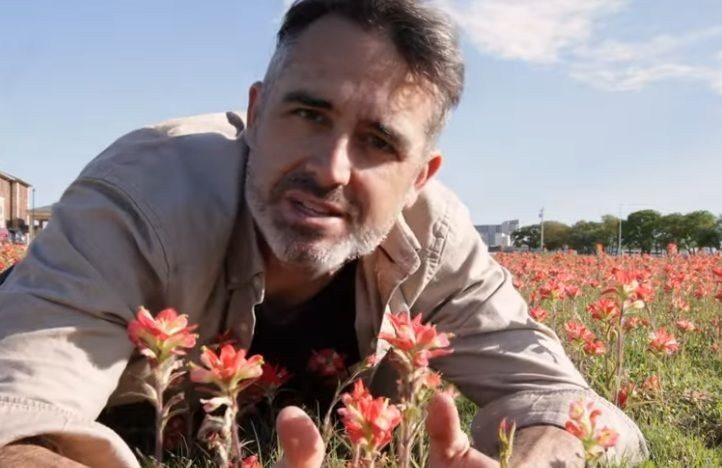
The Indian paintbrush, also known as the Wyoming paintbrush or prairie fire, is the state flower of Wyoming, adopted by the state legislature in 1917. This striking wildflower features brilliant red to yellow-green blooms and is famous for growing wild across the state’s rugged landscape.
Historical Uses
Indian paintbrush (Castilleja spp.) is a versatile wildflower historically used by Native American tribes for medicinal, culinary, and cosmetic purposes. The plant is known for its ability to absorb selenium from the soil, which made it powerful in traditional medicine but also potentially toxic.
The plant has been used for hair care, with various tribes using it as a hair wash to make hair glossy and full-bodied. It was also soaked in grease to create a hair oil. Additionally, the flower has medicinal properties, including treating rheumatism, skin issues, and cold symptoms.
Some tribes used the plant to manage menstrual flow and as a contraceptive. It was also utilized as a treatment for open wounds. The flowers are edible and were consumed in moderation as a condiment with other greens. The plant was used to create a red dye by Native Americans.
Ecological Significance
Indian Paintbrush is hemiparasitic, meaning it taps into the roots of neighboring plants to obtain nutrients. It is a nectar source for hummingbirds and is eaten by elk, deer, and sheep. The plant is often used as a marker for healthy, diverse spring ecosystems.
Important Safety Note: While parts of the plant are edible, the green parts can be toxic, and high levels of selenium absorption can make the plant hazardous if ingested in large quantities.
Original reporting: K2 Radio (Casper) — read the source article.