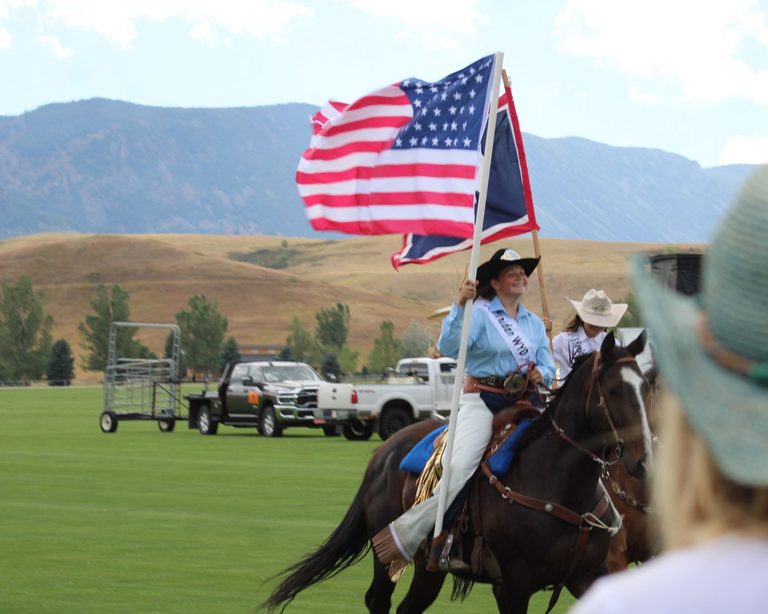
While September 11 is widely remembered as the day of the 2001 terrorist attacks, Wyoming’s history marks the same date as the state’s first election after admission to the Union. Wyoming became the 44th state on July 10, 1890, and its new flag added the forty‑fourth star on July 4, 1891.
Proclamation and Offices on the Ballot
Governor Francis E. Warren issued a proclamation on August 14, 1890 announcing that the first state election would be held on Thursday, September 11. Voters were to elect a governor, secretary of state, state auditor, state treasurer, superintendent of public instruction, three justices of the supreme court, a representative to the 51st Congress, a representative to the 52nd Congress, district judges, sixteen state senators and thirty‑three members of the house of representatives, along with all county and precinct officers required by law.
The election was to be conducted in the same manner as territorial elections that were in force at the time of state admission, as outlined in Article XXI of the Wyoming Constitution.
Results of the First State Election
The Sheridan Post reported the vote totals on October 23, 1890. Governor Francis E. Warren received 1,720 votes. For the U.S. House, C.D. Clark won both the 51st and 52nd Congress seats with 2,507 and 2,539 votes respectively. Other statewide winners included Amos W. Barber as secretary of state (1,744 votes), Charles W. Burdick as auditor (1,445 votes), Otto Gramm as treasurer (2,034 votes) and S.T. Farwell as superintendent of public instruction (2,080 votes).
The partisan composition of the new legislature was heavily Republican: 14 Republicans to 2 Democrats in the Senate, and 27 Republicans to 6 Democrats in the House.
Subsequent Political Shifts
Later that year, a second election in November saw several officeholders move to new positions. Governor Warren was elected to the U.S. Senate, resigning the governorship, while Amos Barber succeeded him as governor.
Wyoming’s new senators, Joseph M. Carey and Francis E. Warren, took the oath of office in Washington, D.C. in September 1890, as reported by the Daily Boomerang. Their presence was noted for the unusually large attendance of senators at the opening session of that Congress.
Contemporary Commentary
Political commentary of the era reflected the heated nature of early state politics. The Wyoming Commonwealth criticized opponent G.W. Baxter for personal attacks against Governor Warren, calling such tactics “bad taste” and emphasizing Warren’s service to the state. The Rawlins Republican and other papers highlighted the vigorous debate surrounding the new government’s formation.
These early elections and the accompanying public discourse marked Wyoming’s transition from territory to full statehood, establishing the foundations of its political institutions that continue to serve the people of the Equality State.
Original reporting: Sheridan Media (Sheridan WY) — read the source article.