There is a moment, standing inside the Wyoming Oil & Gas Conservation Commission’s public exhibit space in Casper, when you realize that the story of petroleum is actually the story of Wyoming itself — and that this state told it better than anywhere else on earth. If you have ever driven through Casper and wondered what all those pump jacks nodding rhythmically across the high desert plains are actually doing, this is the place that answers the question in a way that genuinely surprises you.
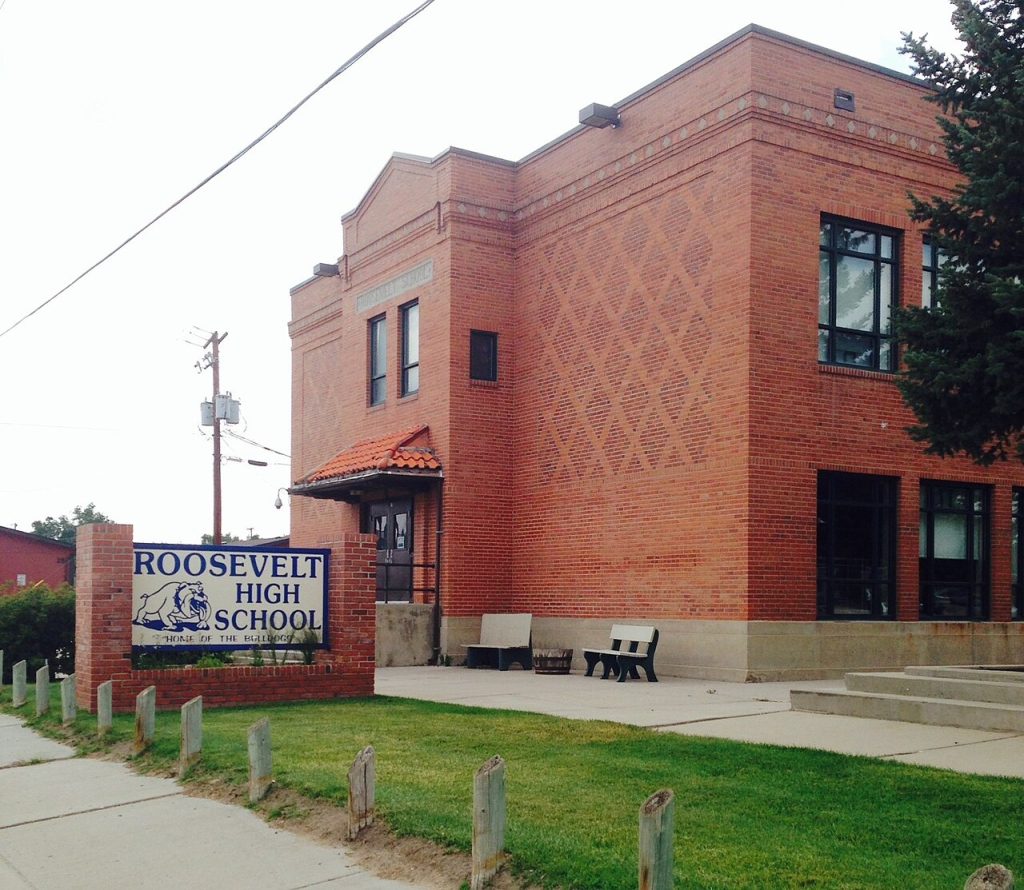
The museum sits in a no-frills, workmanlike building that suits its subject perfectly. Casper has long been the petroleum capital of the Rocky Mountain West, and the exhibits here do not shy away from that identity. From the moment you walk in, you are surrounded by full-scale equipment, scale models of drilling rigs, and interactive displays that walk you through how oil and natural gas are discovered, extracted, refined, and sent out into the world. It sounds industrial, and it is — but it is also deeply human. The panels devoted to early boom-and-bust cycles in Wyoming feel like reading a novel about ambition and risk.
What makes this stop genuinely worthwhile for visitors who might not consider themselves “industry people” is how accessible the storytelling is. There are hands-on elements that kids gravitate toward immediately — the kind of tactile, push-the-button interactivity that makes a Tuesday afternoon feel like a field trip worth remembering. But adults linger just as long, particularly around the historical photography and the timeline that traces Wyoming’s oil industry from the late 1800s all the way through modern horizontal drilling techniques.
The location puts you squarely in Casper’s central corridor, making it easy to pair with a walk along the nearby North Platte River or a stop for lunch in the downtown district. Admission is free, which feels almost too generous given the depth of what is on offer. Plan for at least an hour, though you may find yourself staying longer, especially if you strike up a conversation with one of the staff members — many of whom have direct ties to the industry and share stories that no exhibit panel could fully capture.
Casper is a city built on energy, and this museum is the most honest, engaging way to understand what that actually means. It is not a glossy corporate showcase or a sanitized heritage display. It is a straightforward, well-curated look at the resource that shaped a region, funded schools and roads, and drew generations of workers to the high plains of Wyoming. Come with curiosity and leave with a genuine appreciation for the ground beneath your feet.
Whether you are a first-time visitor to Casper or a longtime resident who has never stopped in, this is exactly the kind of place that makes you proud to know this city a little better.