Travelers on Wyoming’s highways often see signs that close roads to “light, high‑profile” vehicles during windy conditions. The Wyoming Department of Transportation (WYDOT) has released a clear guide to help drivers understand which vehicles fall into this category and why the closures are essential for safety.
Vehicles Most Likely to Blow Over
WYDOT identifies several types of vehicles that have a higher chance of being overturned by strong gusts. These include:
- Semi‑trucks with enclosed or tandem trailers
- Recreational vehicles (RVs) and vehicles pulling a camper
- 5th‑wheel RVs or toy‑haulers
- Box trucks and moving vans
- Horse or livestock trailers
Vehicles Less Prone to Blow‑Over
Other vehicles are considered more stable in high winds and are generally exempt from the closure:
- Tanker trucks and belly‑dump trucks
- Empty flatbed trucks
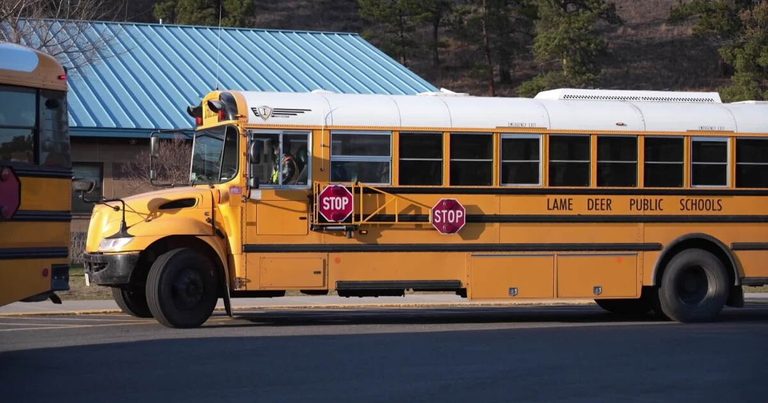
- School buses
- Flatbeds carrying heavy or oddly shaped loads
Understanding the Warning Signs
The signage used by WYDOT conveys specific information about the level of risk:
- Extreme Blow‑Over Risks – Targets vehicles such as moving vans, campers, RVs, small trailers and lightly‑loaded commercial trucks.
- Blow‑Over Risk – Applies to any size trailer, commercial or non‑commercial, as well as RVs and other vehicles carrying light or no cargo.
- Weight‑Based Wind Closures – Focuses on the same high‑profile vehicles listed above.
Drivers who ignore these closures can be charged under Wyoming Statute 24‑1‑109, facing fines up to $750 and up to 30 days in jail.
Types of Closures
WYDOT uses several closure formats to balance safety with the needs of local communities:
- Partial Closures – Only certain vehicles or directions are restricted, often limiting trailer traffic or local traffic.
- Rolling Closures – In small towns along Interstate 80, limited resources may force a closure to shift to the next town, preventing travelers from being stranded.
- Local‑Traffic‑Only – Through traffic is barred, but residents and commuters may still use the road.
- No Unnecessary Travel – The road remains open, but travel is discouraged due to hazardous conditions such as icy surfaces or blowing snow, typically in winter months.
Why the Closures Matter
Wyoming’s open plains and high elevations make wind a serious safety concern. By restricting high‑profile, lightly‑loaded vehicles during severe gusts, the state reduces the risk of rollovers, protects other motorists and helps keep emergency services accessible. The clear, tiered approach to closures also gives local officials flexibility to manage limited amenities like parking, fuel and lodging in small towns.
Travelers are encouraged to check WYDOT’s website or local radio stations for real‑time updates before heading out on windy days. Understanding which vehicles are affected and the rationale behind each type of closure helps keep Wyoming’s highways safe for everyone.
Original reporting: K2 Radio (Casper) — read the source article.