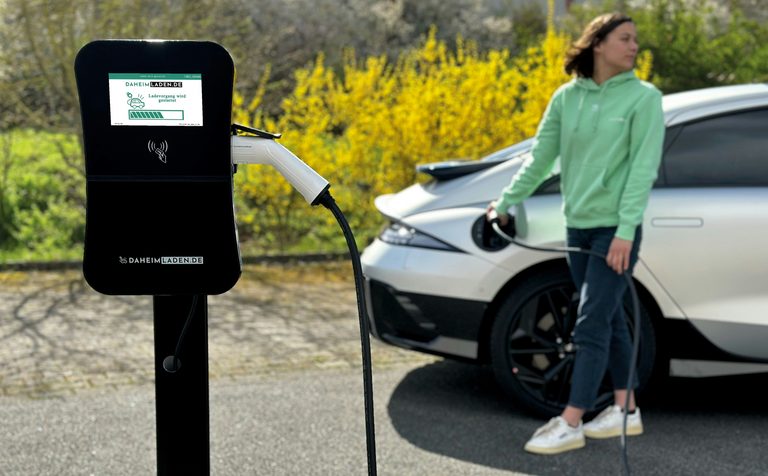
Wyoming’s Department of Transportation (WYDOT) announced a request for proposals (RFP) to spend about $17.9 million in remaining federal National Electric Vehicle Infrastructure (NEVI) funds. The money, allocated under the Biden administration, is intended to support the installation of electric‑vehicle (EV) charging stations across the state.
State officials cite tourism and traveler convenience
WYDOT argues that a network of reliable charging stations will make Wyoming more welcoming to EV owners traveling through the state, potentially boosting the tourism industry. The department says the infrastructure will help visitors who might otherwise avoid routes lacking charging options.
Critics question the need for federal subsidies
Local commentators and some business owners contend that the funding is unnecessary. They point out that many existing stations are already non‑functional or have been removed, and they argue that the free market should handle the development of EV infrastructure just as it did for gasoline stations in the past. One critic suggested the state should simply return the money to Washington, calling the program a waste of taxpayer dollars.
Federal policy shift under the Trump administration
The Trump administration has begun repealing several Biden‑era regulations on automobiles, including rules that encouraged the adoption of electric vehicles. Administration officials say the rollback reflects a broader commitment to limited government and market‑driven solutions.
Financial context and state perspective
While $17.9 million represents a small fraction of the nation’s $40 trillion debt, state officials say the grant offers a chance to improve statewide transportation options without imposing new taxes on Wyoming residents. The RFP process will allow private companies to submit proposals, with the state selecting projects that meet cost‑effectiveness and reliability criteria.
Public response and next steps
Public reaction has been mixed. Some Wyoming residents welcome the prospect of modernizing travel infrastructure, while others remain skeptical about the long‑term viability of EV charging stations in a state where gasoline‑powered vehicles dominate. WYDOT plans to review proposals over the coming weeks and award contracts later this year.
As the debate continues, the conversation reflects broader national discussions about the role of federal subsidies, the pace of electric‑vehicle adoption, and the balance between government support and free‑market solutions.
Original reporting: K2 Radio (Casper) — read the source article.