On Tuesday, Wyandotte County voters turned down two separate sales‑tax proposals that would have added a quarter of a cent to every $100 purchase for county‑wide homeless and health services, and a three‑eighths‑cent increase for Kansas City, Kansas park and infrastructure projects. The defeats leave the county’s mental‑health, homeless‑outreach and infrastructure plans in limbo.
Voter sentiment and turnout
County election officials reported that the county‑wide measure lost by roughly 2,000 votes, while the city measure fell short by about 3,000 votes. Despite the defeats, Mayor Christal E. Watson praised the 45 % voter turnout, noting it was up from 38 % in the 2022 election. “I want to commend our community for coming out in record numbers,” Watson said, adding that the result is a learning opportunity to explore alternative ways to address homelessness, health care access and park improvements.
Community voices
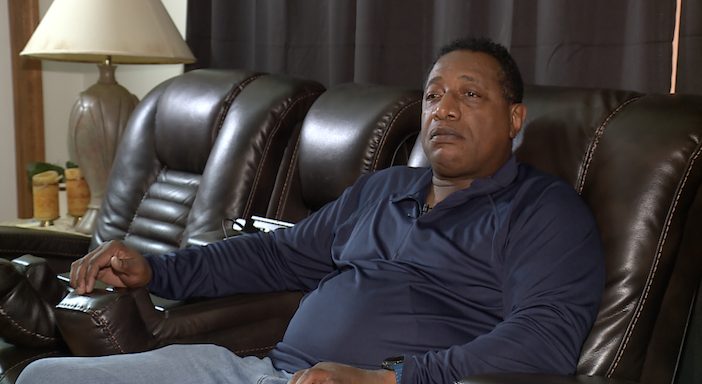
James Connelly, a 30‑year resident on a fixed income, voted against the measures, citing years of tax increases without visible benefits. “Every year, my taxes have went up on my property and my sales tax. I haven’t seen a decrease or assistance with schools or anything,” Connelly explained. He argued that existing resources should be sufficient to meet community needs without new taxes.
Amber Adams, director of operations and external affairs for the Community Health Council of Wyandotte County, supported the measures and expressed optimism despite the loss. “These are things that aren’t necessarily adequately funded on a normal basis, but it does take an investment,” Adams said. She highlighted the proposed funding for a permanent home to replace the Willa Gill Center, a homeless outreach hub slated for relocation due to campus expansion.
What the measures would have funded
The county proposal sought to create a dedicated revenue stream for mental‑health support, homeless services and a permanent replacement for the Willa Gill Center. The city proposal targeted park upgrades, infrastructure repairs and the replacement of the aging Parkwood Pool.
Adams noted that the tax would have been distributed evenly across the county, providing equitable access to essential health and social services. “This would have been a tax that was distributed equally throughout our county and could have created equitable access to community health needs,” she said.
Next steps
Both the Unified Government and local nonprofit groups say the measures can be placed on a future ballot if county commissioners vote to do so. In the meantime, organizations such as the Community Health Council and United Way of Kansas City are already coordinating winter outreach kits and exploring alternative funding sources to continue serving the uninsured and homeless populations.
“Now that we no longer have this tax, our other service organizations are coming together to look at where these folks are receiving care and how they can afford it,” Adams added. “More than ever, there’s a sense of urgency.”
Original reporting: KSHB 41 Kansas City (local) — read the source article.