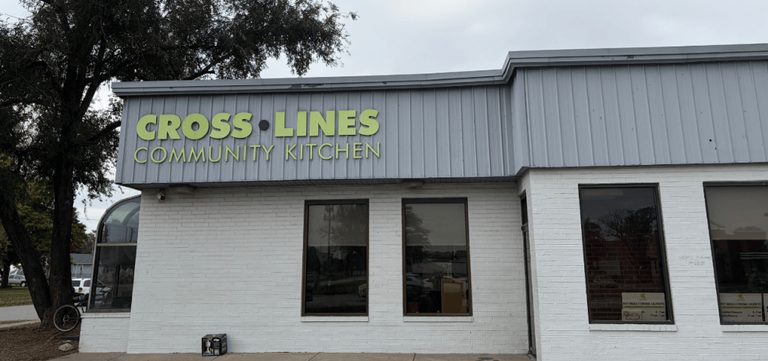
When Vanessa Matt walks the streets of the Armourdale neighborhood, she meets Wyandotte County residents who are homeless or on the brink of it. As senior manager of housing stabilization at Cross‑Lines Community Outreach, Matt says each person’s needs are unique and many of the services they require simply do not exist locally.
Funding shortfall after voters reject sales‑tax
In the November 2026 election, Wyandotte County voters turned down a quarter‑cent sales‑tax initiative by a narrow margin. The measure would have generated roughly $12 million a year for under‑resourced homeless and health services. Advocates told The Beacon that tax fatigue – especially concerns over rising property taxes – helped drive the outcome.
Despite the defeat, some leaders remain hopeful that the close vote signals public willingness to invest in solutions later. “It’s something residents have long asked for,” said Randy Callstrom, president and CEO of Wyandot Behavioral Health Network.
Rising homelessness and limited resources
According to a 2026 report from the Greater Kansas City Coalition to End Homelessness, at least 164 people were counted sleeping outdoors during the coldest months, up from 115 the previous year. The county lacks a year‑round shelter, affordable housing options, expanded mental‑health services, and an inpatient substance‑abuse treatment facility.
County officials have set aside millions for a new shelter, but they lack funding for a full staff to run it effectively. Finding a site has also proved difficult; many residents oppose a shelter near homes and schools.
New camping ban adds pressure
Earlier this year the Unified Government passed an ordinance banning outdoor camping on both public and private property. Violators may face community service, fines of several hundred dollars, or up to a month in jail for repeated offenses. The ban was prompted by complaints from residents and business owners who said encampments harmed public safety and created blight.
Advocacy groups urged the government to invest in wrap‑around services instead of punitive measures, but the ordinance remains in effect. Because the county has no shelter, many displaced individuals simply move a few blocks and set up new camps, costing the government thousands each time the encampments are cleared.
Plans for a comprehensive shelter system
The Unified Government’s 2027 budget created a full‑time homeless‑services coordinator position to oversee shelter development and to work with nonprofits on expanding affordable housing. The Wilhelmina “Willa” Gill Services Center, operated by Mount Carmel Redevelopment Corp., currently serves as the county’s only warming center and food kitchen. It is slated to close once a new downtown Kansas City Kansas Community College campus opens and a permanent shelter is secured.
Both Callstrom and Susila Jones, executive director of Cross‑Lines, stress that a shelter alone will not end chronic homelessness. “We cannot end it with just a shelter,” Jones said. “It must be well‑staffed and provide wrap‑around supports such as food, mental‑health treatment, and substance‑abuse services.”
Community voices on tax and spending
Local resident Frank Ramirez, who managed former Mayor Christal Watson’s 2025 campaign, warned that low‑income families cannot afford additional taxes. “People feel every dollar they spend on new taxes,” Ramirez said. He suggested the Unified Government look for savings by cutting high‑paid administrator positions rather than adding new taxes.
Ramirez also noted that while he welcomes out‑of‑state sales‑tax dollars flowing into the county, residents already struggling to make ends meet should not bear the extra burden.
Looking ahead
County leaders continue to search for a site for a year‑round shelter and to secure staffing resources. Advocates hope that future public‑investment, whether through a revised tax measure or reallocated budget funds, will close the gaps in services and create a sustainable pathway out of homelessness for Wyandotte County’s most vulnerable residents.
Original reporting: The Beacon (Kansas City) — read the source article.