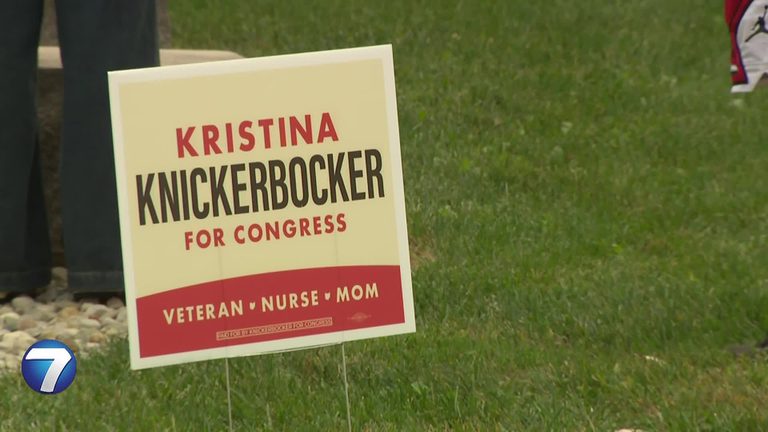
Wright State University students in Dayton are weighing the key issues that will shape the 2026 race for Ohio’s 10th Congressional District. While Rep. Mike Turner, the Republican incumbent since 2002, emphasizes national security and job growth, Democratic challenger Kristina Knickerbocker is focusing her campaign on health‑care affordability and broader economic relief.
Student concerns on the ground
Students surveyed on campus highlighted a range of economic pressures that affect their daily lives. Rising gas prices were singled out as a major burden, especially for the commuter‑heavy student body. “I would also say gas prices because it has gone up, and especially since this is a commuter school, I feel like it’s affecting a lot of students,” said Leyla Aslanova, a Wright State student.
Tuition costs and grocery prices also ranked high on the list of priorities. Many students expressed worry that escalating expenses could limit access to higher education for families across the district.
Governance and transparency
Beyond the cost of living, concerns about state government transparency surfaced repeatedly. “There’s been a lot of corruption and just non‑transparent government in Ohio, and we really need a change,” said Katy Gabel, another Wright State student. The call for clearer, accountable governance reflects a broader desire among young voters for honest leadership at both the state and federal levels.
Candidate platforms
Rep. Mike Turner continues to build his campaign on a record of supporting national security initiatives and promoting job growth in the Dayton area. His long tenure has been marked by efforts to attract businesses and maintain a stable economic environment for constituents.
Kristina Knickerbocker, the Democratic nominee, is positioning her campaign around expanding health‑care access and making essential services more affordable. She argues that a stronger safety net and lower costs for everyday necessities will benefit families throughout the district.
What the race means for local voters
The 10th District encompasses a mix of urban, suburban and rural communities, making it a microcosm of broader state concerns. As the election approaches, the issues highlighted by Wright State students—fuel costs, tuition, grocery prices and transparent government—are likely to influence voter sentiment across the district.
Both campaigns have scheduled town halls and campus visits in the coming weeks, offering students and other residents the chance to hear directly from the candidates and ask questions about how each plans to address the pressing concerns raised by the campus community.
Looking ahead
With the primary election looming, the dialogue between candidates and young voters underscores the importance of addressing everyday economic challenges while ensuring government accountability. As the race tightens, Ohio’s 10th Congressional District will watch closely to see which platform resonates most with the next generation of voters.
Original reporting: WHIO-TV Dayton (local) — read the source article.