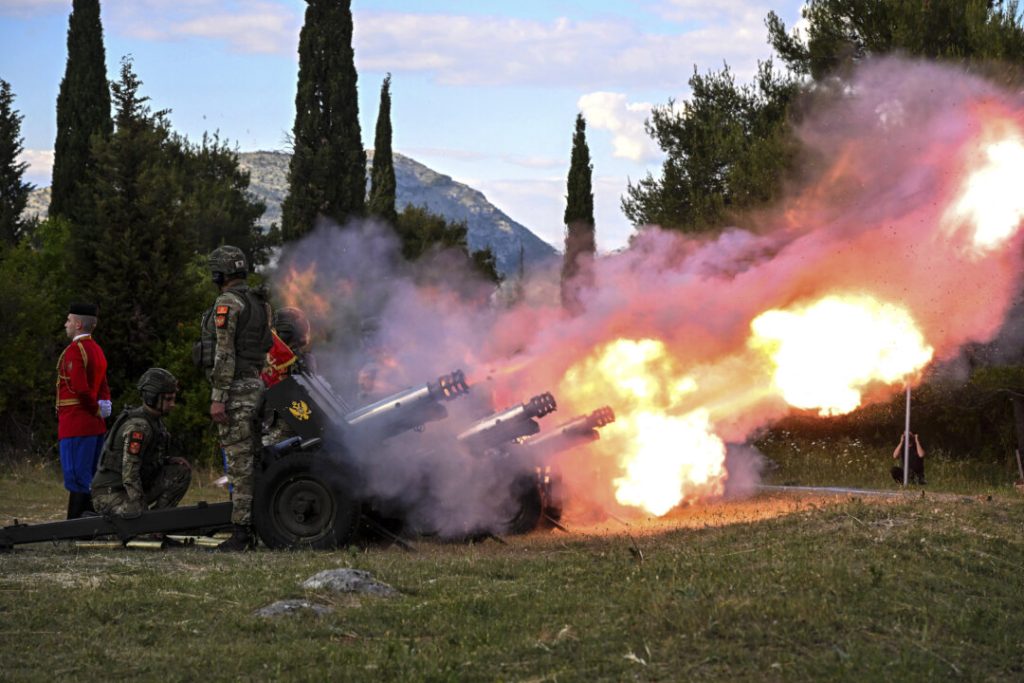
This article steps into the world seen through the camera, tracking how light, choice, and timing turn ordinary scenes into images that stick. It touches on the craft of framing, the ethics of sharing, and the small habits that separate snapshots from statements, drawing from street, studio, and travel work across the United States. The photo included below drives the piece: it anchors a larger conversation about why photography still matters.
Great photographs begin with curiosity, not equipment, and they invite the viewer to slow down and look again. When someone pauses in a busy city or leans close to a quiet subject, they are making a promise to notice something worth remembering. That promise is what turns a technical exercise into a resonant moment.
Light is the invisible co-author of every picture, shaping mood and meaning faster than any camera setting can. Good composition keeps the eye moving in a way that feels natural, so a viewer learns the image instead of being told what to see. Together, light and layout decide whether a frame whispers or shouts.
Editing is where a photographer’s voice becomes clear, not by adding filters but by knowing what to keep and what to drop. Cutting distractions and keeping context creates clarity; restraint builds trust with an audience. A careful sequence of images can turn a single moment into a conversation that lasts.
Equipment matters less than you think: a confident photographer can make a phone shot feel intimate and a medium-format capture feel cold if the intention is weak. Learning to read a scene and anticipate a gesture will outperform chasing specs every time. Gear should be a tool, not a substitute for paying attention.
Photographs shape how we remember places and people, and that power brings a responsibility to represent fairly. Images become shorthand for entire neighborhoods, events, or communities, so getting details right matters. When professionals and hobbyists take that seriously, photography becomes a public service as much as an art form.
Practical habits help creativity survive the long haul: walk more, shoot less randomly, and edit with purpose. Try choosing a single subject for a week, or assign yourself a color to hunt for around town, and you’ll train your eye in ways a tutorial never will. Small constraints spark big leaps in how you see.
Ethics in photography are not optional. Seek consent when it matters, be honest about what’s been altered, and respect the dignity of subjects who are vulnerable. Honest images command trust, and that trust is the fragile currency that lets photographers keep working and being heard.
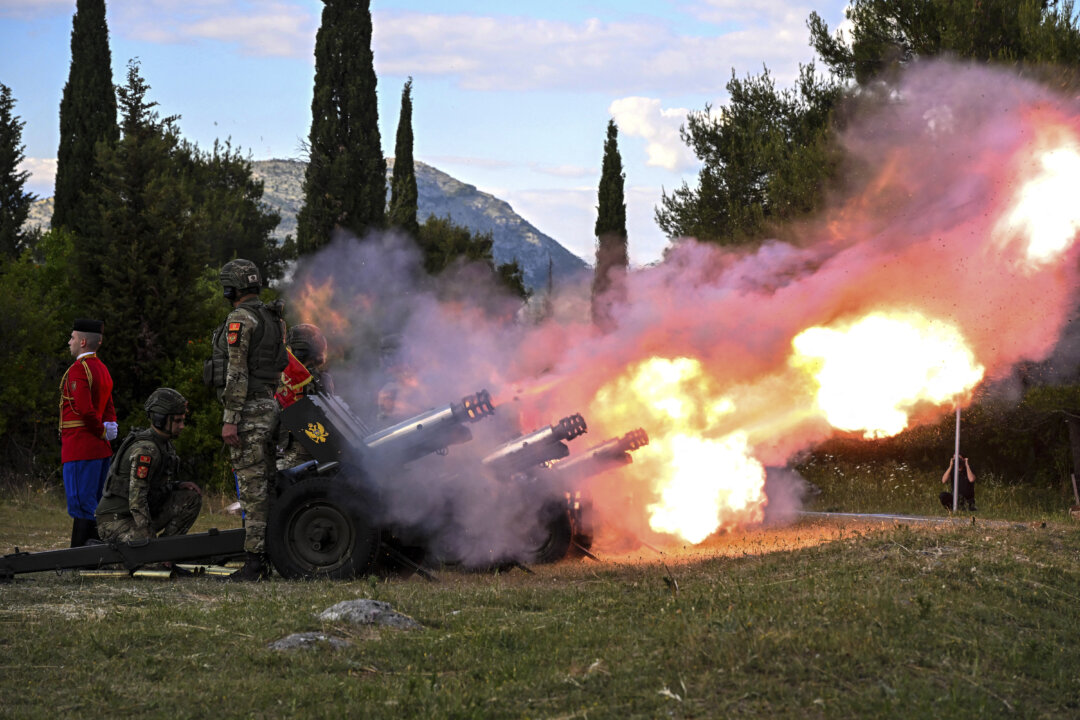
Sharing photos widely invites feedback, and the best critiques are specific, not vague; they name a compositional choice or a lighting decision and explain its effect. Use that feedback to sharpen intent, not to chase applause, and your work will grow more distinct over time. The best images come from doing the same small hard things again and again until your voice shows up in the picture.
Photography remains one of the clearest ways to say I saw this and you should see it too, and that simple message has kept it central to how we tell stories. Whether you shoot for work, for community, or for the joy of looking, the point is the same: make pictures that make people notice the world a little differently. Keep practicing, keep paying attention, and let the images you make be as generous as the gaze you bring to them.