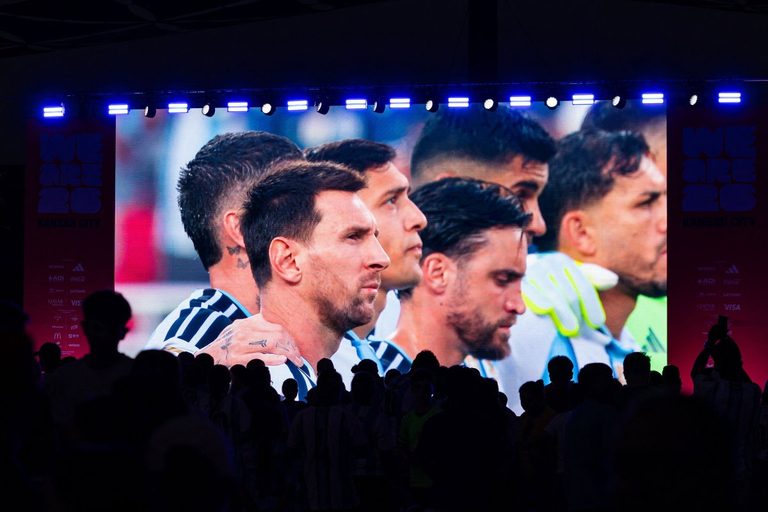
The World Cup has come to an end, and for many fans, the sudden loss of the daily ritual of watching matches has left them feeling adrift. The tournament, which lasted for over a month, became a routine for millions of fans around the world. Fans invested time, their identity, and anticipation in every match, creating powerful psychological and social rhythms.
The Emotional Comedown
Mental health experts say that the sudden loss of this daily ritual can lead to a kind of depression, as fans struggle to find a reason to go out or engage in their usual activities. The World Cup provided a shared daily experience, with entire countries celebrating and grieving together. Families gathered, friendships were renewed, and even coworkers who rarely spoke had opinions about formations and red card decisions.
For fans, the silence after the tournament can feel strange. The joy, despair, rage, relief, and occasional spiritual crisis brought on by a missed penalty become woven into everyday life. Then, almost overnight, it’s back to normal life. Normal life, unfortunately, has fewer dramatic entrances, fewer reasons to hug complete strangers, and almost no acceptable opportunities to throw a drink into the air.
However, mental health experts say that one of the best ways to shake the post-tournament blues is to hold on to the parts that made the World Cup so special. Fans can stay connected with friends, keep the group chat alive, and find something else to look forward to. Soon enough, the jerseys will find their way back into the closet, the conversations will drift to other topics, and another major sporting event will inevitably steal the spotlight.
Original reporting: KTVZ (Central Oregon) — read the source article.